Mysteries of Native American History Revealed!
Explore the mysteries surrounding ancient Native American sites like Poverty Point and Cahokia Mounds, and delve into the unsolved cases of the Crow Creek Massacre and the disappearance of outlaw Henry Berry Lowry. These stories highlight the enduring enigmas of indigenous history.

Unexplained Wonders: Dive into Native American Mysteries
Some stories from Native American history are so puzzling, they leave us scratching our heads. These tales involve ancient structures, sudden disappearances, and brutal events that historians still try to figure out. Many of these mysteries highlight the incredible achievements and complex lives of indigenous peoples long before modern times.
Ancient Earthworks and Enigmatic Mounds
In northeastern Louisiana, the Poverty Point Earthworks cover about 400 acres with a complex system of ridges and mounds. This massive project was built by hunter-gatherers between 1700 and 1100 BCE.
It’s amazing because usually, such large constructions come after people learn to farm, which this group hadn’t yet. We don’t know exactly why they built it; it could have been for ceremonies, living, or trade.
Similarly, the Great Serpent Mound in Ohio is a giant snake effigy stretching over 1,300 feet. Created around 300 BCE, its true purpose remains a puzzle.
Some think it might be a calendar or an observatory, possibly inspired by a meteor strike. It’s a stunning piece of art and proof of the Adena people’s skills.
Wyoming’s Stone Circle and Illinois’ Lost City
The Bighorn Medicine Wheel in Wyoming is a circle of stones that lines up with the summer solstice. It’s a sacred site for many tribes today, but historians aren’t sure who built it or when.
It could be from the 13th to 18th century, or even thousands of years older. Its exact origins are as mysterious as its purpose.
Near Collinsville, Illinois, the Cahokia Mounds represent the ruins of the largest ancient city north of Mexico. The Mississippian people built this city around 1050 CE, but no one knows what they called it or how they managed to build it with such precision. After centuries of being a center for trade and culture, the city was mysteriously abandoned around 1350 CE, leaving behind questions about why its people left.
The Ancestral Puebloan Exodus and a Brutal Massacre
The Ancestral Puebloan people left their homes in Mesa Verde, Colorado, around the late 1200s, possibly due to a major drought. While archaeologists believe their move was planned, some evidence hints at social conflict.
They left behind stored food and pottery, suggesting they intended to return, but they never did. Their migration has become a cautionary tale for their descendants.
In South Dakota, the Crow Creek Massacre site revealed a mass grave of nearly 500 Arikara people killed around 1325 CE. The attackers and their reasons for such extreme violence are unknown.
Evidence of malnutrition suggests desperation may have played a role. This tragic event is a somber reminder of past conflicts.
Disease, Disappearances, and Outlaw Legends
A devastating smallpox epidemic from 1775 to 1783 greatly impacted the continent. While diseases were common during colonization, the scale and origin of this outbreak are debated.
Theories point to Spanish or Russian explorers, or spread from Mexico. This epidemic significantly weakened the Native American population during a critical time in American history.
Henry Berry Lowry was a legendary outlaw in North Carolina during the 1860s and 1870s. He led a mixed-race gang and was seen as a hero by some, like a Native American Robin Hood.
After a major heist in 1872, Lowry vanished without a trace. While one story says he died accidentally, many believe he faked his death and escaped.
The Final Resting Place of a Leader and a Movement’s Martyr
The exact burial site of the famous Lakota leader Sitting Bull is a subject of debate. After his death in 1890, his grave was moved twice, with conflicting stories about the authenticity of his remains. Monuments now stand at two different locations, but the true final resting place remains uncertain.
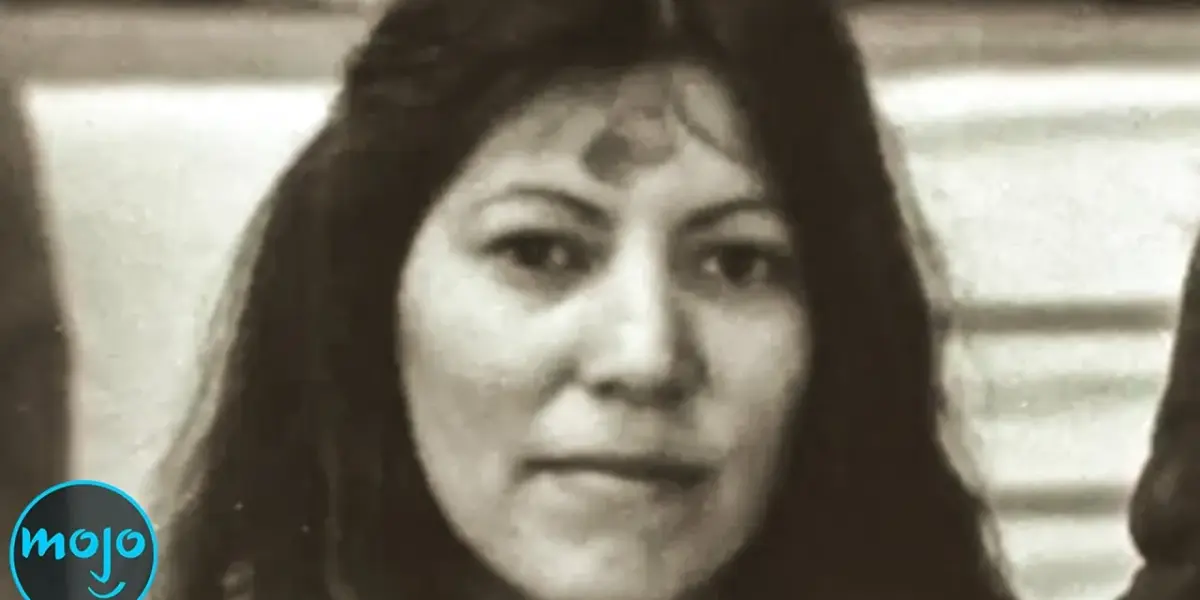
Anna Mae Aquash, a strong voice for the American Indian Movement, was found shot dead in South Dakota in 1976. Two members of AIM were later convicted of her murder, accused of believing she was an FBI informant.
However, some suspect the order came from AIM leadership, and the FBI’s initial investigation was questionable. Her death has become a symbol for the movement to end violence against Indigenous women.
Enduring Questions
These stories, from ancient earthworks to unsolved murders, show that Native American history is full of complex and unresolved questions. They remind us of the rich cultures and the challenges faced by indigenous peoples throughout history. What other mysteries intrigue you?
Source: 10 Unsolved Native American Mysteries (YouTube)

Related Articles

Mysteries That Chill: Top 75 Unsolved Cases of the 21st Century
From mysterious monoliths to unsolved murders, the 21st century is filled with chilling enigmas. This article delves into 75 of the most perplexing mysteries, exploring cases like the vanishing of Jennifer Kessie and the enigmatic Cicada 3301 puzzle. Many of these cases remain unsolved, leaving behind questions and a sense of unease.


Death House: Family Found Dead After Toxic Gas Leak
A family gathering turned into a scene of horror when Uncle Dieter discovered his niece Charlotte, her husband, and their neighbor dead in their kitchen. Toxic sewer gas leaking from a broken pipe was the silent killer that claimed four lives.


Unsolved Mysteries: 30 Disappearances That Still Haunt Us
Explore 30 of the most chilling and baffling disappearances throughout history. From Amelia Earhart to D.B. Cooper, these unsolved cases continue to haunt us, leaving behind a legacy of unanswered questions and enduring mysteries.