Trump’s Iran Blockade Sparks Market Rally, Offers Economic Hope
The U.S. blockade on Iranian ports has spurred a significant market rally, with stocks reaching new highs and oil prices stabilizing. This economic pressure aims to prevent Iran from developing nuclear weapons and is expected to lead to a swift resolution of the conflict. Investors are optimistic about the resilience of the U.S. economy.

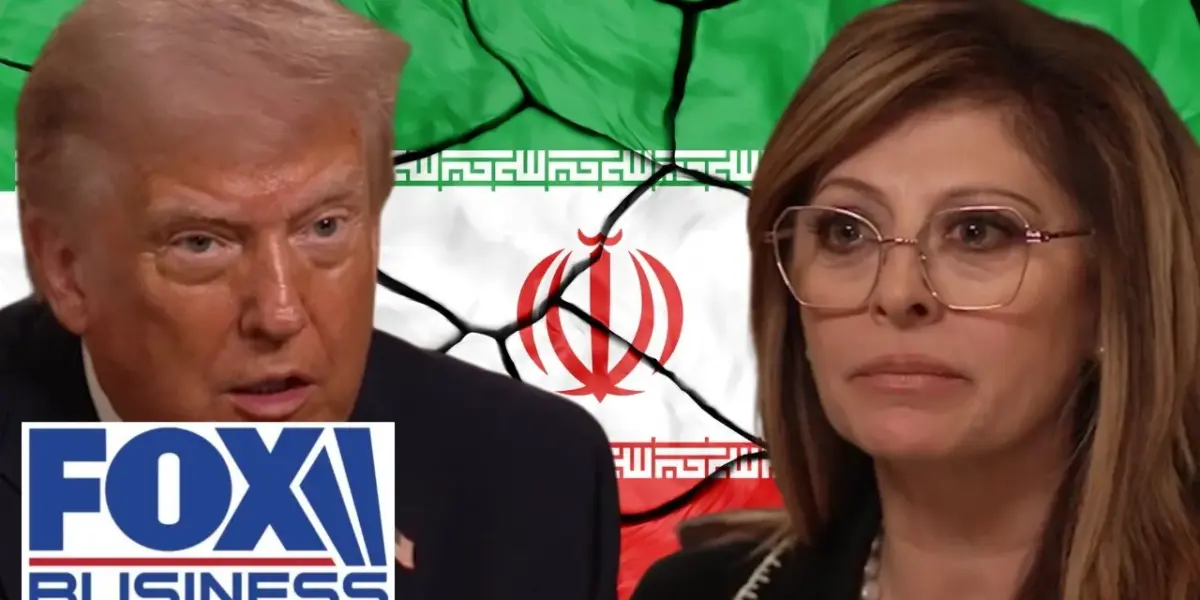
Global Tensions Ease as Iran Blockade Spurs Market Optimism
The United States has officially imposed a blockade on all maritime traffic entering and leaving Iranian ports, a move that has unexpectedly boosted market sentiment. Despite initial pressure on the stock market following the news, a swift recovery suggests investors believe a resolution to the conflict is nearing. This strategic economic pressure on Iran aims to cut off its oil revenue, a critical lifeline for the regime.
Historical Parallels: From Kennedy’s Crisis to Trump’s Strategy
The current situation draws parallels to historical market shocks, such as the 1962 “Kennedy slide.” That period saw significant market downturns fueled by fear and uncertainty, notably during the Cuban Missile Crisis. President Kennedy’s diplomatic efforts ultimately de-escalated tensions, leading to a market rebound. Today, President Trump employs a similar strategy of economic pressure, aiming to force Iran back to the negotiating table without direct military confrontation.
Economic Warfare: Iran’s Financial Lifeline Targeted
Over 90% of Iran’s annual trade, valued at nearly $110 billion, transits through the Persian Gulf. The blockade targets this crucial artery, aiming to halt daily revenues from oil and petrochemical exports, which previously amounted to hundreds of millions of dollars per day. This economic squeeze is estimated to cause losses of approximately $159 billion annually, significantly exceeding Iran’s entire national budget of around $100 billion.
Onshore oil storage in Iran is reportedly nearing capacity, a development that could force infrastructure shutdowns and cause lasting economic damage. This strategy aims to make continued defiance unsustainable for the Iranian regime, pushing them towards compliance with international demands, particularly regarding nuclear weapons development.
President Trump’s Perspective: A Deal is Within Reach
President Trump has expressed confidence that the conflict is nearing its end, stating the blockade is fully implemented and that Iran will ultimately consent to forgo nuclear weapons. He highlighted the strength of the U.S. military and the effectiveness of economic sanctions, comparing the approach to actions taken previously in Venezuela. The president believes this strategy will lead to a swift resolution, potentially within days or weeks.
He emphasized that the core issue is preventing Iran from obtaining nuclear weapons. The administration is prepared to walk away from any deal that does not guarantee this outcome. Trump also noted the potential for severe damage to Iran’s infrastructure, such as bridges and power plants, but stated a desire to avoid such actions to allow for future rebuilding.
Market Reaction: Resilience and Renewed Optimism
The stock market has shown remarkable resilience, regaining almost all losses incurred since the conflict began. The Dow Jones Industrial Average has surpassed the 50,000 mark, and the S&P 500 has reached new record highs, signaling strong investor confidence. Oil prices have stabilized around $90-$92 per barrel, down from earlier projections of over $200, further contributing to market optimism.
This market performance suggests investors are looking beyond the immediate geopolitical tensions and focusing on the underlying strength of the U.S. economy. Factors such as robust corporate profits and a renewed sense of optimism are driving this positive sentiment. Even with increased energy costs, consumers are largely maintaining their spending habits, and businesses are not showing significant signs of distress.
What Investors Should Know
The current geopolitical strategy against Iran is primarily economic, aiming to starve the regime of revenue without direct military engagement. This approach appears to be yielding positive results, as evidenced by the market’s strong recovery and stabilizing oil prices. Investors are pricing in a resolution to the conflict, anticipating a boost to global economic activity once tensions subside.
The administration’s focus on preventing Iran from acquiring nuclear weapons remains paramount. The economic pressure is designed to force Iran’s hand, making it impossible for them to pursue both a nuclear program and a functioning economy. The success of this strategy will likely influence future U.S. foreign policy approaches to similar international challenges.
Economic Outlook: Growth and Stability Ahead
Despite the short-term economic hit from the conflict, the outlook remains positive. The administration anticipates a full recovery, with potential for a significant boom in the stock market once the situation is resolved. Lower oil prices are expected to further stimulate economic growth and consumer spending.
The successful implementation of tax cuts, referred to as the “great big beautiful bill,” is also cited as a key driver of economic strength. These cuts have provided significant financial relief to individuals and are expected to continue supporting the economy. The administration is also prioritizing border security and fiscal responsibility through reconciliation packages.
Looking Forward: A Path to Peace and Prosperity
The White House believes a path to long-term peace is within reach, with negotiations potentially resuming soon. The effective lockdown of the Strait of Hormuz and the economic pressure on Iran position the U.S. from a position of strength. Allies are also reportedly drafting plans to secure the Strait, indicating a coordinated international effort.
The market’s positive reaction highlights a belief that the conflict is winding down and that the U.S. economy is resilient enough to weather such geopolitical storms. The focus now shifts to the diplomatic resolution and the subsequent economic benefits that may follow.
Source: Trump REVEALS to Maria Bartiromo that Iran conflict could END SOON | The Week Unfiltered (YouTube)

Related Articles
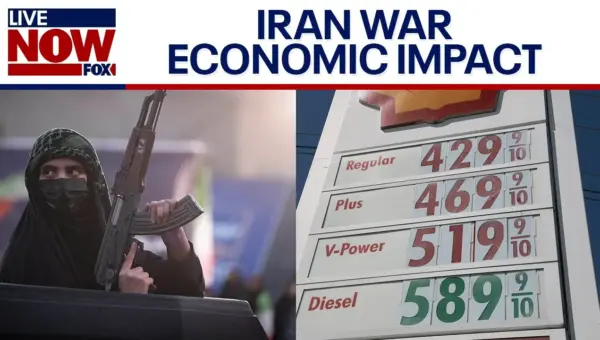
Iran War Hits US Economy: Tips Tax Cut Offers Relief
President Trump's 'no tax on tips' initiative aims to ease financial burdens on workers amid global economic pressures from the Iran conflict. While the wealthy see gains, many Americans struggle with inflation and high interest rates. Experts advise living within means and reducing debt to navigate these challenging times.

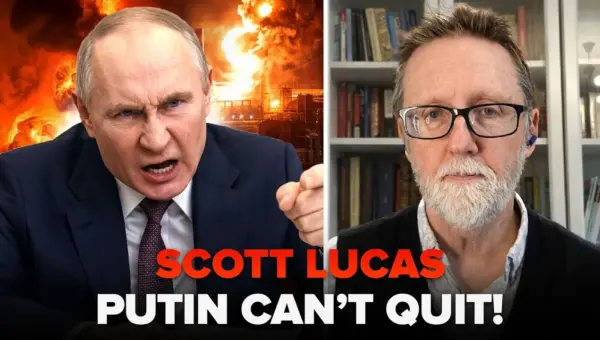
Ukraine Fights On Amid Shifting US Support
Ukraine demonstrates growing self-reliance amidst shifting U.S. support, bolstered by EU aid and its own emerging military tech exports. Russia's demands remain firm, while Iran leverages control of the Strait of Hormuz. President Trump faces domestic and foreign policy challenges.

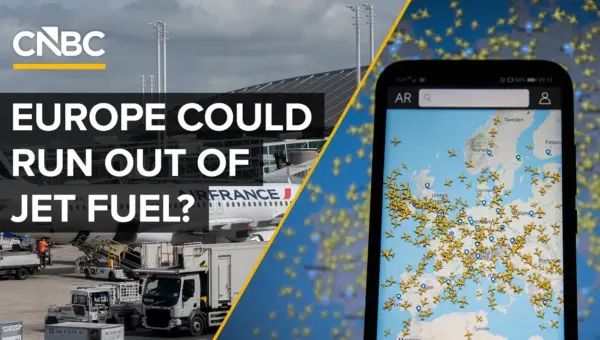
Europe Faces Jet Fuel Crunch, Threatening Summer Travel
Europe faces a critical jet fuel shortage, threatening summer travel. Reliant on Middle Eastern imports, disruptions have led to rising fuel costs, forcing airlines to increase ticket prices and adjust schedules. Travelers can expect higher fares and potential flight rationing as the peak season approaches.