Iran’s Digital Barrage: How Social Media Targets Trump
Iranian social media accounts are using AI and rapid content creation to mock Donald Trump and his allies. They employ satire and direct accusations, turning Trump's own tactics against him. This digital campaign highlights the growing role of social media in international influence operations.

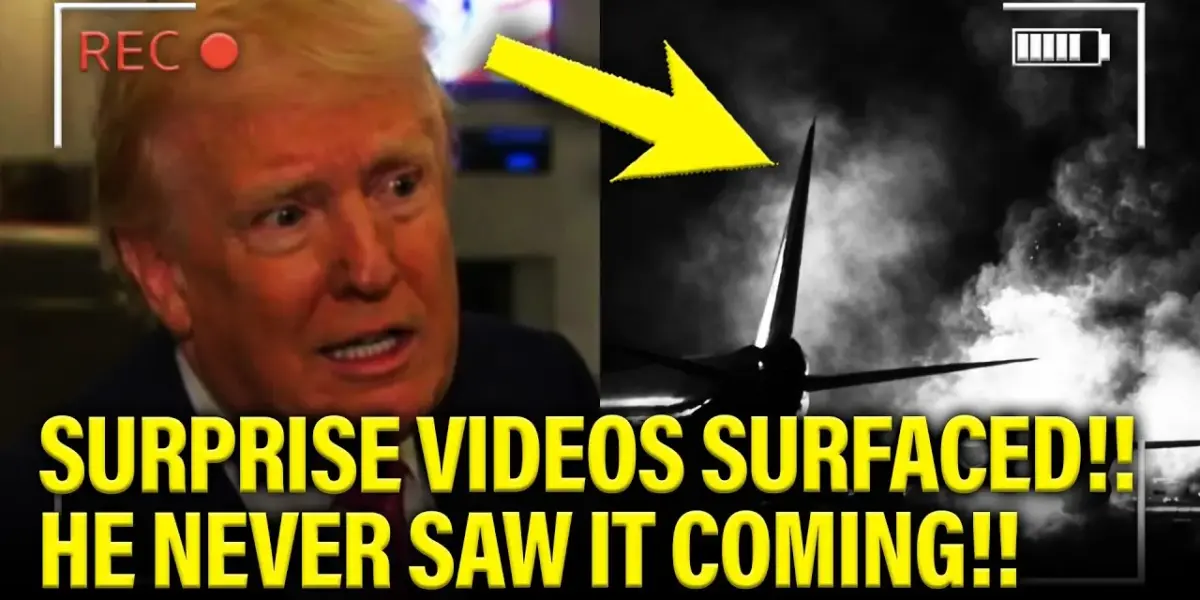
Iran’s Digital Barrage: How Social Media Targets Trump
Iranian social media accounts are using creative and often biting content to push back against former President Donald Trump. They are producing AI-generated videos, parodies, and memes at an astonishing speed. These posts aim to mock Trump and his allies, offering a digital counter-narrative to his political messaging.
One striking example is an AI-generated video showing MB Galibaf, Iran’s parliament leader, standing over Trump’s house. The video links Trump to the Epstein files, suggesting he is covering up child sex trafficking. This directly uses Trump’s own tactics of personal attacks and accusations against him.
Mocking Diplomatic Missteps
Beyond personal attacks, these accounts also target perceived diplomatic weaknesses. They have created content mocking Donald Trump and JD Vance, suggesting they lack basic negotiation skills. These videos highlight perceived blunders in international dealings.
Another example points to Pete Hegseth, a conservative commentator. Iranian social media dubbed him “Pete Fiction” for quoting fake Bible verses from the movie Pulp Fiction. They also criticize his invocation of God while discussing war.
Challenging Trump’s Claims
Trump’s public statements are frequently challenged. When Trump claimed the Strait of Hormuz was fully open and ready for passage, Iranian social media responded with sarcasm. They suggested he should relax and stop posting, even humorously renaming the strait “the Strait of Iran” in a playful jab at his perceived inaccuracies.
The speed of content creation is notable. AI and Lego-style videos are produced almost immediately after an event or statement. This rapid response capability allows them to shape online conversations quickly.
Targeting Allies and Influencers
The digital campaign extends to Trump’s allies and media figures. A parody video targets Cash Patel, a former Pentagon official. It uses rap-style lyrics to question his credibility after news broke about his alleged involvement in certain behind-the-scenes activities.
Influencers like Charlie Kirk and his wife, Erika, have also been subjects of parody. One video suggests Erika Kirk has moved on to a new relationship quickly after Charlie Kirk’s departure. This content aims to discredit and humiliate figures within the conservative movement.
Allegations of Market Manipulation
A significant focus of the Iranian social media campaign is on alleged market manipulation and insider trading. Videos highlight instances where significant bets were placed on falling oil prices just minutes before Trump’s tweets or related announcements.
These posts question who had advance knowledge of these events, implying corruption. They suggest a pattern where Trump’s public statements coincide with profitable trades for certain individuals, raising suspicions about illicit gains.
Critique of US Foreign Policy and Leadership
Broader critiques of US foreign policy are also woven into the content. One video, titled “Wake Up America,” accuses US leaders of selling nuclear threats and weaponizing fear. It references historical US interventions in various countries and questions the motives behind them.
The content also targets figures like Jared Kushner, questioning financial dealings and their impact on global stability. It paints a picture of US leadership as self-serving and detrimental to international peace.
A New Form of Digital Warfare
The Iranian social media activity represents a sophisticated use of digital tools for political influence. It’s a modern approach to information warfare, using humor, satire, and direct accusations to undermine opponents.
This strategy aims to turn Trump’s own communication methods against him. By rapidly creating and disseminating content, they aim to control the narrative and influence public perception.
Why This Matters
This digital campaign shows how social media has become a key battleground in international relations. Countries and groups can now directly engage with and challenge political figures and their narratives in real-time.
It highlights the speed and creativity of online influence operations. The ability to quickly produce high-quality, targeted content can significantly impact public opinion and political discourse.
Implications and Future Outlook
The trend suggests that more state and non-state actors will likely employ similar digital tactics. We can expect to see more creative and aggressive use of AI and social media to influence political outcomes globally.
This evolving digital landscape demands greater media literacy from the public. Understanding how these narratives are constructed and disseminated is crucial for navigating modern information flows.
Historical Context
Historically, propaganda has been a tool of states for centuries. However, the digital age has democratized and accelerated its reach. Social media platforms allow for direct communication and rapid dissemination, bypassing traditional media gatekeepers.
This Iranian effort builds on earlier forms of digital influence but adds a layer of sophisticated, rapid content creation. It’s a direct response to the communication styles of figures like Trump, using his own playbook.
The speed at which these videos are made, often using AI and readily available editing tools, is a significant development. It lowers the barrier to entry for creating persuasive and impactful digital content.
The campaign also touches upon serious allegations, including market manipulation and corruption. These claims, if substantiated, could have significant legal and political consequences, even if amplified through social media.
Moving forward, expect to see more nations and groups engaging in similar digital counter-offensives. The ability to quickly create and distribute viral content will be a key factor in future information wars.
Source: Trump LOSES IT as SURPRISE Videos DESTROY HIS LIFE!!! (YouTube)

Related Articles

US Navy Seizes Iranian Ship After Engine Room Breach
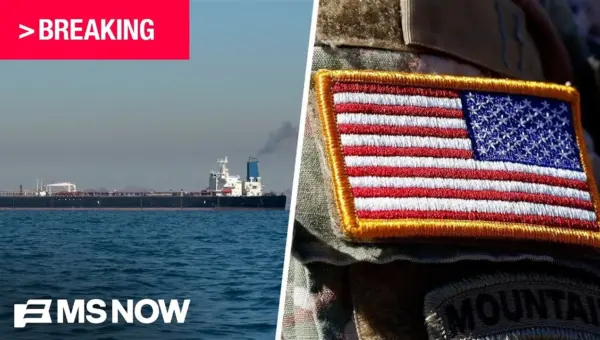
The U.S. Navy has seized an Iranian-flagged cargo ship, the Tosan, after it attempted to pass through a naval blockade in the Strait of Hormuz. President Trump announced the incident, detailing how the ship was intercepted and disabled by U.S. forces when its crew refused to comply. The vessel and its crew are now in U.S. custody.

Trump’s Grip Weakens Amidst Economic Woes and Global Tensions
Reportedly, Donald Trump's support is waning due to the war in Iran and the rising cost of living. Congressional candidate Saikat Chakrabarti discussed these issues and the role of progressive Democrats in the upcoming midterms. Voters are increasingly concerned about their financial stability and global security.

AI Unleashes New Shockwaves Across Software Sector
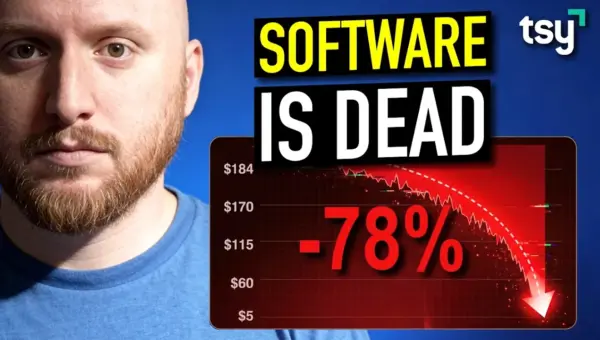
New AI models like Claude are rapidly disrupting the software industry, challenging traditional business models and impacting stock valuations. Investors are shifting focus from software companies to the underlying AI infrastructure and cloud services powering these advancements. The trend suggests a significant revaluation of software assets as AI takes over human-driven workflows.