Turning Point USA’s Vance Event Flop Sparks Wild Excuses
Reports indicate a recent Turning Point USA event featuring JD Vance at the University of Georgia drew significantly fewer attendees than expected. The organization's spokesperson offered a controversial explanation involving counterprotests and ticket manipulation.

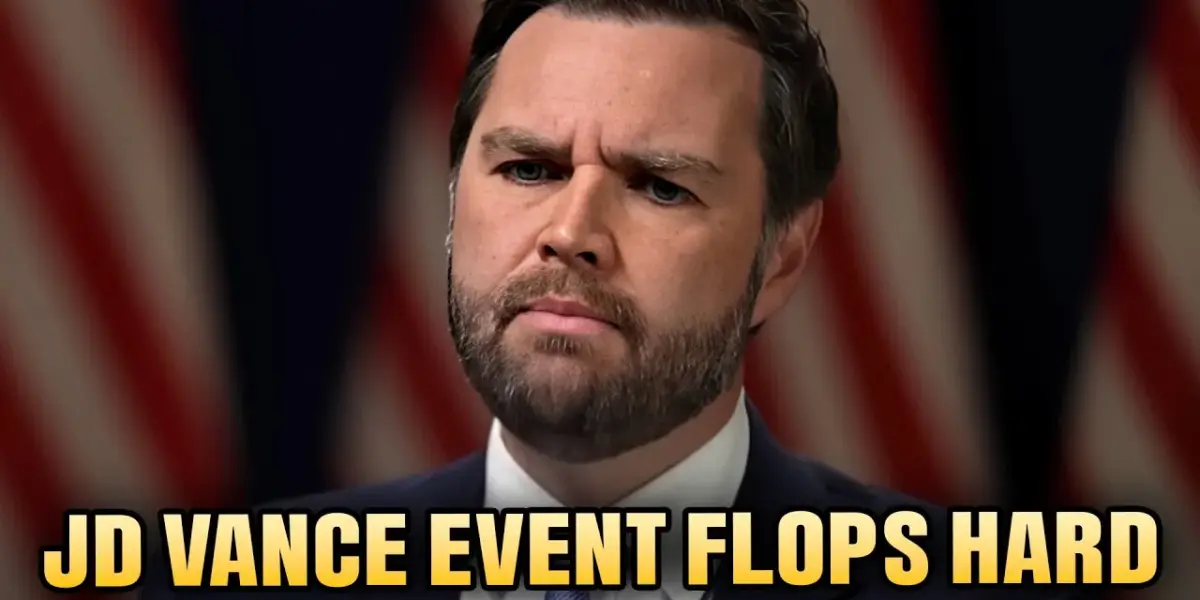
Turning Point USA’s Vance Event Flop Sparks Wild Excuses
A recent event featuring Senator JD Vance at the University of Georgia, organized by Turning Point USA, appears to have fallen far short of expectations. Reports suggest a 10,000-seat venue was intended for the event, but only around 2,000 people reportedly attended. Photos and videos from the event seem to show even fewer attendees than that, leading to widespread questioning of the turnout.
Adding to the controversy, congressional candidate Laura Loomer, also known as Erica Kirk in the transcript, did not attend the event. The stated reason for her absence was a fear for her safety due to alleged threats. However, this explanation has been met with skepticism, especially since the Vice President of the United States, who travels with extensive Secret Service protection, was present at the university that same day.
The Question of Safety and Attendance
The discrepancy in security concerns raises serious questions. If the venue was deemed safe enough for the Vice President, it seems unlikely it would be too dangerous for a congressional candidate.
This has led many to believe that the safety excuse was simply a cover for the low anticipated turnout. Organizers may have known in advance that ticket claims were low, making a high-profile speaker’s appearance less appealing.
Following the event, Turning Point USA, an organization known for its conservative youth outreach, faced criticism for the apparent failure. In response, Andrew Kvette, a spokesperson for the group, offered an explanation that has been widely described as implausible and contradictory.
A Spokesperson’s Unconvincing Defense
Mr. Kvette stated that 2,000 people at a college event is a massive success. He also claimed that significant “counterprotest energy” was present, which influenced decisions about speaker appearances. This assertion has been met with derision, with critics pointing out that such widespread focus on a political event is uncommon on college campuses, especially those with strong athletic programs where sports often dominate student conversation.
Kvette suggested that left-wing groups intentionally booked tickets for the event only to not show up. This tactic, he explained, is a common protest method.
He reiterated that over 2,000 people were in attendance, emphasizing the “massive energy” and enthusiasm. However, these statements appear to contradict themselves and the visual evidence from the event.
Analyzing the Claims
Critics argue that Kvette’s claims about college campus atmosphere are out of touch, suggesting he may be mistaking college for high school. The idea that 2,000 people is a huge turnout for any college event is also questioned, especially when compared to the popularity of college sports or even large parties. The spokesperson’s narrative seems to struggle with basic realities of college life and event attendance.
The explanation that organized left-wing groups orchestrated a ticket-buying scheme to sabotage the event is also viewed as an attempt to deflect blame. This narrative paints a picture of a highly organized opposition, which some find less believable than the simple fact of low interest in the particular event or speaker.
Why This Matters
This incident highlights a potential disconnect between conservative organizations like Turning Point USA and the broader student population. The organization’s ability to draw crowds may be facing challenges, leading to increasingly elaborate excuses for poor attendance.
The situation also raises questions about the effectiveness of political events on college campuses. While such events aim to engage young people, a consistent lack of turnout can undermine their purpose and suggest a waning influence.
Implications and Future Outlook
The repeated claims of sabotage or overwhelming counterprotest energy could be seen as a way to avoid admitting that their message or chosen speakers are not resonating with larger audiences. This could be a worrying trend for organizations that rely on demonstrating popular support.
Turning Point USA and similar groups may need to re-evaluate their strategies for engaging students. Focusing on genuine interest rather than perceived external opposition could lead to more authentic and successful events in the future.
Historical Context
Political organizations have long used college campuses as battlegrounds for ideas and recruitment. Historically, student activism has played a significant role in shaping political discourse. However, the nature of student engagement can shift over time, influenced by cultural trends and the effectiveness of outreach methods.
The current political climate, marked by intense polarization, may also affect how students engage with political events. Some students might avoid events perceived as overly partisan, while others might be more motivated to participate in activism.
Looking Ahead
The University of Georgia event is a case study in how organizations respond to perceived failures. The explanations offered by Turning Point USA will likely be scrutinized in future events.
Moving forward, the success of such events will depend on their ability to attract genuine interest from students, rather than relying on excuses for low attendance. The effectiveness of Turning Point USA’s outreach efforts will become clearer with upcoming events.
Source: Turning Point Goes Crazy After JD Vance Event Flops Hard (YouTube)

Related Articles
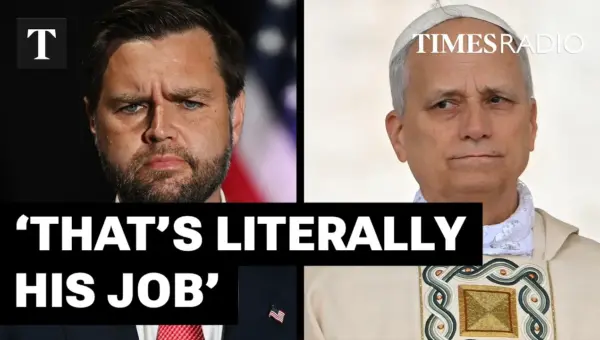
Vance Tells Pope to ‘Tread Carefully’ on Theology
Senator JD Vance has faced criticism for telling Pope Francis to "tread carefully" on theological matters, a move many find audacious given the Pope's position. The comments highlight the complex intersection of religion and politics, with historical parallels and modern tribal dynamics influencing public discourse.
Trump’s Chaotic Diplomacy Fuels Iran Tensions
Conflicting reports and last-minute changes surrounding JD Vance's role in Iran negotiations highlight the Trump administration's chaotic foreign policy. This pattern of escalating threats followed by claims of progress raises questions about U.S. credibility and the path toward stability.

Trump Halts Vance’s Iran Peace Talks Amidst New Developments
Former President Donald Trump has unexpectedly withdrawn Senator JD Vance from upcoming peace talks with Iran just hours before they were scheduled to begin. Citing undisclosed new information, Trump's decision introduces uncertainty into the critical diplomatic negotiations. The reasons behind Vance's exclusion and its potential impact on the talks remain a subject of intense speculation.