Harris: Trump Started Iran War Americans Don’t Want
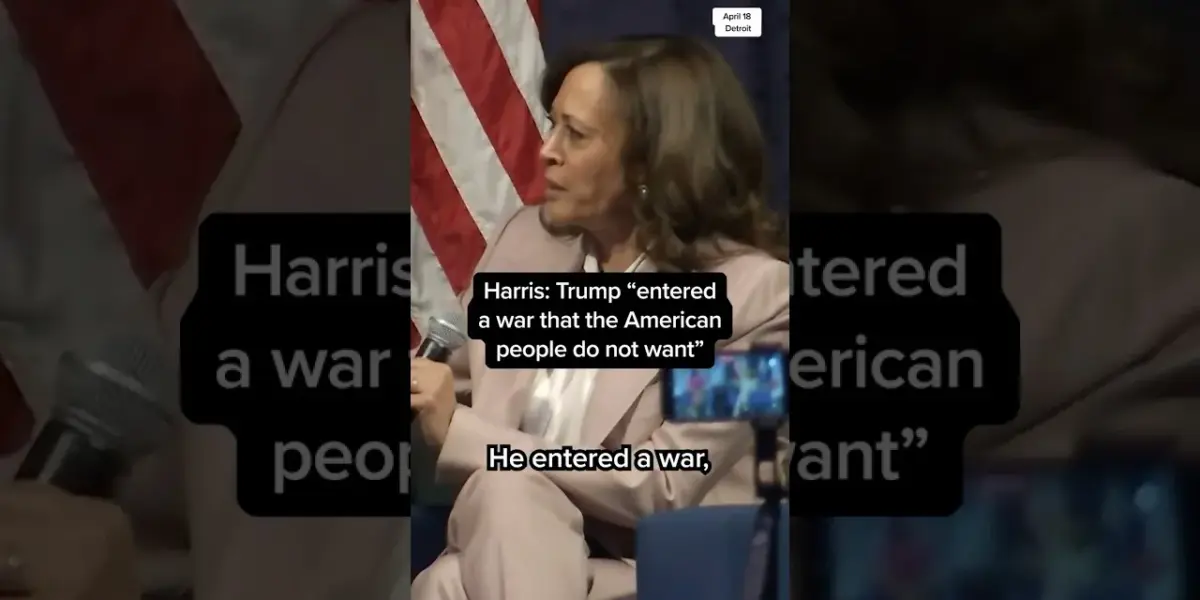
Vice President Kamala Harris criticized former President Donald Trump's approach to Iran, stating he "entered a war that the American people do not want." Speaking in Michigan, Harris alleged that Trump was influenced by Israeli Prime Minister Benjamin Netanyahu. She warned that this policy strained alliances and increased costs for Americans.

Harris Criticizes Trump’s Iran Policy
Vice President Kamala Harris stated that former President Donald Trump initiated a conflict with Iran that the American public does not support. Speaking at a Michigan Democratic Party Women’s Caucus luncheon, Harris argued that Trump was influenced by Israeli Prime Minister Benjamin Netanyahu. She warned that this decision has weakened relationships with allies and raised expenses for people in the United States.
Harris specifically mentioned that Trump “entered a war that the American people do not want.” This strong statement suggests a direct challenge to Trump’s foreign policy decisions. It also highlights a perceived disconnect between the former president’s actions and the will of the voters. The Vice President’s remarks were made in Michigan, a key swing state in upcoming elections.
Strained Alliances and Rising Costs
The Vice President detailed the negative consequences of Trump’s approach to Iran. She explained that the conflict has strained relationships with traditional allies.
This means that the U.S. may have less support from other countries on the world stage. Such strained alliances can make it harder to address global challenges together.
Harris pointed out that the increased tensions have led to higher costs for American consumers. While the transcript does not specify these costs, they could relate to increased military spending, higher oil prices due to Middle East instability, or other economic impacts. These financial burdens fall directly on the shoulders of everyday Americans.
Netanyahu’s Influence Alleged
A significant part of Harris’s criticism focused on the alleged influence of Benjamin Netanyahu. She claimed that Trump “got pulled into it by Bibi Netanyahu.” This suggests that foreign leaders may have played a role in shaping U.S. foreign policy. It raises questions about the decision-making process during the Trump administration.
The relationship between the U.S. and Israel is historically strong. However, Harris’s statement implies that this relationship may have been used to draw the U.S. into a conflict.
This perspective positions the war as not solely an American initiative but one influenced by external pressures. It is a serious accusation that could affect diplomatic relations.
Context of U.S.-Iran Relations
Tensions between the United States and Iran have been a significant foreign policy issue for decades. Under the Trump administration, these tensions escalated following the U.S. withdrawal from the Joint Comprehensive Plan of Action (JCPOA), commonly known as the Iran nuclear deal, in 2018. The U.S. then reimposed stringent sanctions on Iran.
The period following the U.S. withdrawal saw a series of escalating incidents, including attacks on oil tankers, the downing of a U.S. drone, and a U.S. airstrike that killed Iranian General Qasem Soleimani in January 2020. These events significantly heightened the risk of direct military confrontation. Harris’s comments appear to reference this period of heightened conflict and the decisions made at that time.
Broader Implications for American Voters
Harris’s remarks in Michigan are aimed at resonating with voters concerned about foreign policy and economic stability. By framing the conflict as unwanted by the American people and costly to them, she seeks to draw a contrast with potential future policies. This strategy aims to mobilize voters who prioritize de-escalation and fiscal responsibility.
The mention of Michigan is strategic, as the state is a critical battleground in presidential elections. Foreign policy and the economy are often key issues for voters in the Midwest. Harris’s message suggests that the current administration prioritizes diplomacy and the well-being of American families over engaging in what she termed an “unwanted war.”
Looking Ahead
The Vice President’s statements set the stage for continued debate over America’s role in the Middle East and the effectiveness of different foreign policy approaches. As the election cycle progresses, voters will likely hear more discussions about past decisions and future strategies regarding international conflicts and alliances. The impact of these policy debates on public opinion and voting patterns remains to be seen.
Source: Harris: Trump "entered a war that the American people do not want" (YouTube)

Related Articles
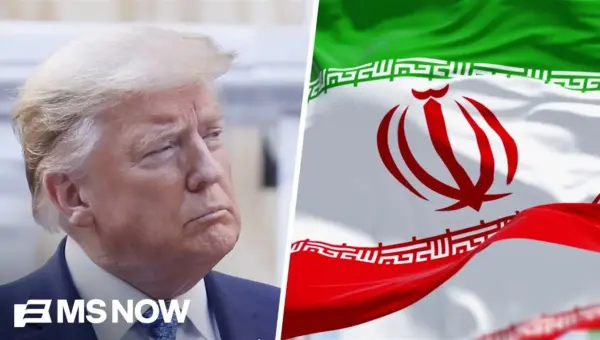
Iran Skips Peace Talks, Citing US Demands and Blockade
Iran has withdrawn from upcoming peace talks in Pakistan, citing unrealistic U.S. demands and an ongoing naval blockade in the Strait of Hormuz. The critical waterway remains closed, impacting global shipping. Tensions are high as the U.S. maintains a strong stance, raising concerns about potential attacks on civilian infrastructure.
Trump Renews Threats on Iran Amid Peace Talks Confusion
President Trump is renewing threats against Iran's energy infrastructure amidst confusion over upcoming peace talks. Conflicting reports about Vice President Pence's attendance and President Trump's varied public messages are creating uncertainty. Experts suggest Iran's struggling economy provides incentives for a deal, but significant military capabilities remain.
Iran’s Digital Barrage: How Social Media Targets Trump
Iranian social media accounts are using AI and rapid content creation to mock Donald Trump and his allies. They employ satire and direct accusations, turning Trump's own tactics against him. This digital campaign highlights the growing role of social media in international influence operations.