Trump’s ‘No Tax on Tips’ Policy Born from Waitress’s Plea
A waitress's simple plea to not tax her tips inspired a popular policy that continues to benefit working Americans. Stephen Moore highlights this and other tax measures, alongside strong market fundamentals and potentially falling gas prices, as key drivers of economic strength. Meanwhile, a nomination for the Federal Reserve faces partisan opposition.

Trump’s ‘No Tax on Tips’ Policy Born from Waitress’s Plea
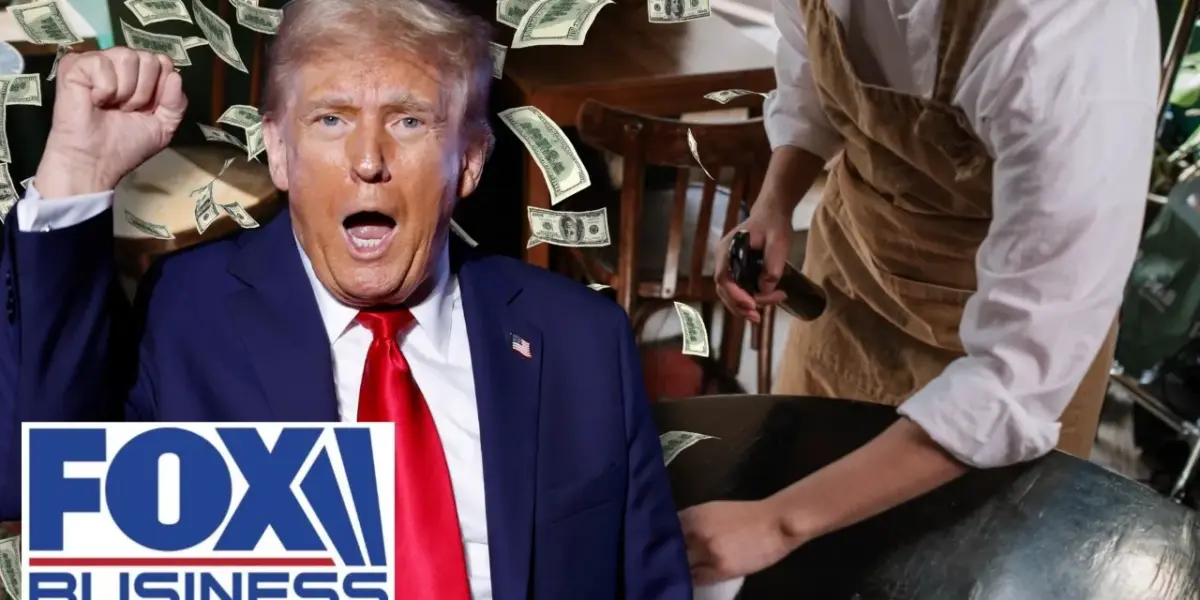
A simple request from a waitress in a restaurant sparked a significant policy change that has resonated with working Americans: the elimination of taxes on tips. This popular measure, championed by former President Donald Trump, is highlighted as a key factor in the strong performance of the U.S. economy, according to Stephen Moore, co-founder of Unleash Prosperity.
Moore shared that when he asked Trump about the origin of this policy, Trump recounted a conversation with a waitress. Her plea, “Don’t tax my tips,” became the foundation for a policy that puts more money directly into the pockets of hardworking individuals. This allows consumers to spend more, directly fueling economic growth.
Tax Cuts Boost Working Class
The discussion around tax policy comes as Tax Day approaches, with two specific measures gaining significant public approval: the no-tax-on-tips policy and the elimination of taxes on overtime pay. These initiatives are specifically designed to benefit working-class Americans, not the wealthy elite, Moore stated.
He pushed back against critics who label tax cut legislation as “ugly.” Statistics show that the middle class, not just the rich, are the primary beneficiaries of these tax reductions. This counters the narrative often presented by political opponents who focus on perceived benefits for higher earners.
Understanding Tax Rebates and Paychecks
Concerns have been raised about the actual amount of tax rebates individuals are receiving compared to previous years. Some reports indicate rebates are lower than anticipated, with figures suggesting an increase of around $350 instead of the expected $1,000 more than last year.
Moore explained that the tax cuts enacted in 2025 were not fully reflected in paychecks until individuals updated their tax withholding. This means many people did not see the immediate benefit in their paychecks and only received it as a refund later. Now, with adjusted withholdings, people are seeing larger paychecks throughout the year, reducing the need to wait for an April refund.
Oil Prices and Economic Outlook
The current economic picture includes strong market performance, with the stock market hitting new highs. Despite global conflicts, oil prices have remained relatively low, around the $90 mark for crude oil. This stability is seen as a positive sign, with the market anticipating that Trump will effectively manage foreign policy challenges.
While acknowledging that high gas and food prices are concerns for everyone, Moore pointed to historical data. He noted that the average gas price during Trump’s first year and a half in office was lower than under the current administration. He expressed optimism that gas prices will decrease further, potentially by a dollar per gallon by early summer.
This potential drop in gas prices is crucial for Republicans looking to maintain control of the House and Senate. Addressing affordability concerns is seen as key to winning voter support in upcoming elections.
Federal Reserve Appointment Faces Hurdles
The nomination of Kevin Warsh to a Federal Reserve position is currently facing significant opposition. Democrats on the Senate Banking Committee are seeking to postpone his hearing, citing various reasons. Some Republicans, like Senator Thom Tillis, have also indicated they will not approve Warsh’s nomination until investigations into Federal Reserve spending are dropped.
Moore acknowledged the controversy surrounding the Federal Reserve’s spending, particularly a project costing billions. He described it as a significant instance of mismanagement and misallocation of funds. This spending raises questions about the oversight of the entity responsible for managing the nation’s money supply.
However, Moore believes Warsh is an outstanding choice for the Federal Reserve. He has known Warsh for years and considers him exceptionally qualified, possessing deep knowledge of monetary policy and the financial system. Moore argues that Warsh understands the importance of maintaining the dollar’s value and is a solid candidate.
The opposition from Democrats is seen as purely partisan, driven by their strong dislike for Trump. Moore stated he has never seen the Federal Reserve become so politicized in his nearly four decades of following the institution. He believes there is no valid reason to block Warsh’s appointment.
Moore urged for Warsh’s confirmation to move forward for the good of the economy. He suggested that if there are legitimate issues of authority or accountability with the Department of Justice’s actions, they should be addressed separately. The focus should be on getting a highly qualified individual like Warsh into place at the Federal Reserve.
He concluded by emphasizing the need for everyone, including government officials, to follow the rules. When the Department of Justice requests documents, they should be provided. This principle of accountability applies to all, ensuring transparency and proper governance.
Moore hopes that J. Powell will not remain on the Federal Reserve board after his term. He believes it is time for new leadership to guide the nation’s monetary policy effectively.
The next key date to watch will be early summer, when Moore predicts gas prices could fall by as much as a dollar per gallon.
Source: Waitress sparked Trump’s ‘no tax on tips’ policy, Stephen Moore reveals (YouTube)

Related Articles
Ex-Officer Slams Trump’s Jan 6 Pardon Moves as Rule of Law Insult
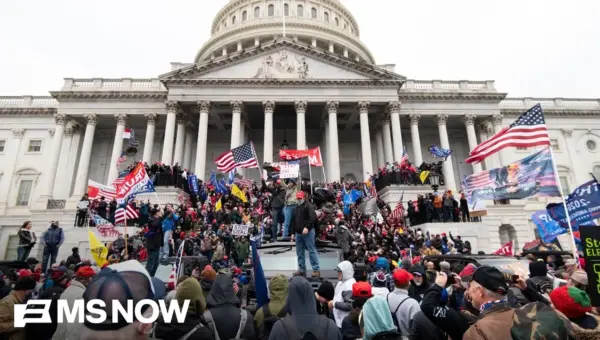
Former D.C. police officer Michael Fanone strongly criticized the Justice Department's decision to drop convictions for 12 Proud Boys and Oath Keepers involved in the January 6th Capitol attack. He called the move an "insult" and accused Donald Trump of "spitting in the face of the rule of law" and law enforcement. Fanone warned that pardoning political violence normalizes it, making the country less safe.
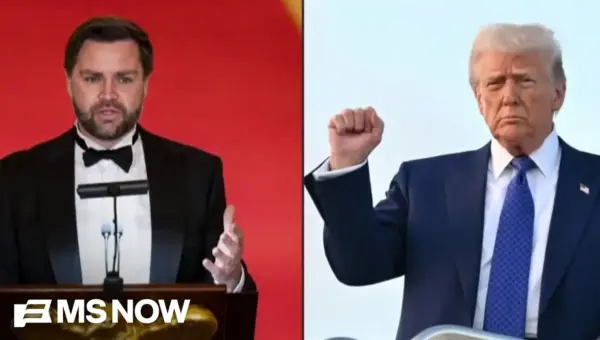
Trump’s J.D. Vance Game: Humiliation or Strategy?
Conflicting reports about J.D. Vance's involvement in Iran talks created significant confusion, with Donald Trump initially excluding him, only for officials to later confirm Vance's leadership role. Commentators speculate this is part of a strategy by Trump to test Vance or potentially humiliate him, while also elevating Jared Kushner. Vance's own public statements suggest anxiety about aligning with the war, possibly to protect future political ambitions.

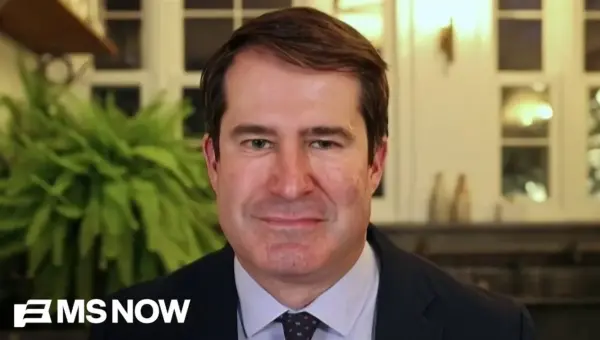
Trump’s Iran Threats Spark GOP Concern, War Powers Debate
A U.S. Navy destroyer fired on an Iranian cargo ship amid heightened tensions, just hours after President Trump issued a stark warning to Iran. The incident and Trump's aggressive rhetoric have fueled growing concern in Congress, with some Republicans signaling a willingness to curb the president's war powers. Congressman Seth Moulton criticized Trump's threats as 'unhinged' and discussed broader issues of trust in government.