Tax Refund Hype Fizzles, Americans Feel the Pinch
Americans are expressing anger over tax refunds that don't match the promises made. While average refunds increased slightly, soaring costs for gas, food, and other essentials mean most people feel poorer. Public approval for tax handling has dropped significantly.

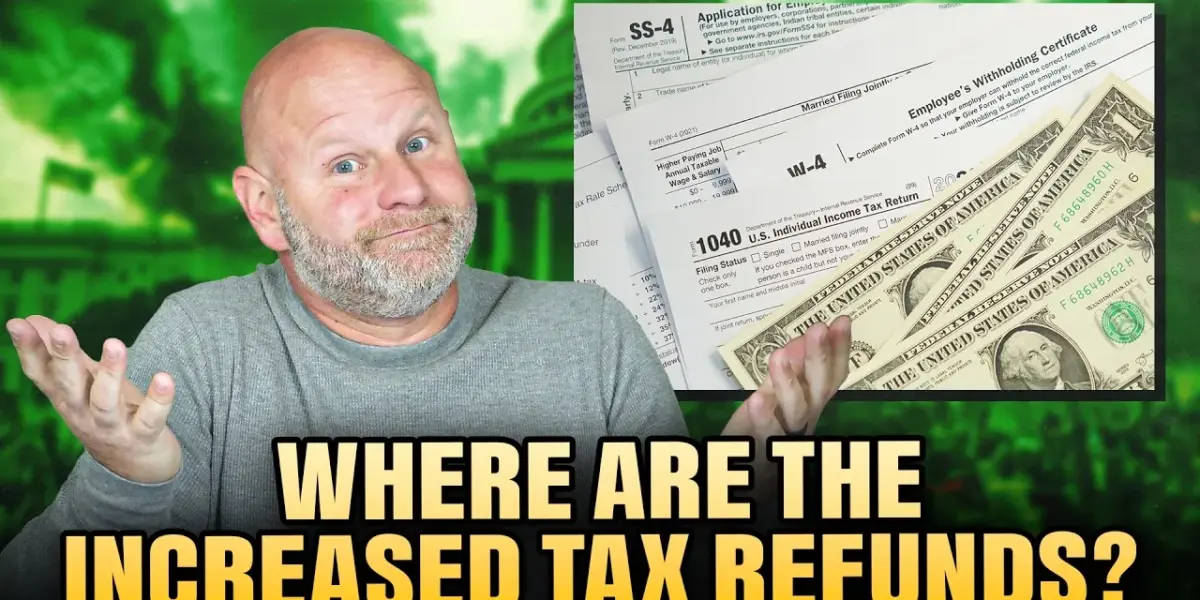
Trump’s Tax Cut Promises Fall Flat for Average Americans
Tax Day has passed, and many Americans who expected bigger refunds are feeling let down. Last year, during the push for a major tax bill, promises were made. Republicans claimed that tax cuts would put more money back into the pockets of everyday people, not just the wealthy.
The reality, however, seems to tell a different story for many. While official numbers from the IRS show that the average tax refund did increase by about $350 compared to the previous year, this small boost is being swallowed by rising costs. For the average American, $350 might buy them half a new set of tires, a minor help but far from a financial windfall.
The Stark Contrast: Average Citizen vs. Wealthy Elite
The tax law passed last summer, despite its confusing name, did offer benefits. However, these benefits were far more significant for corporations and the wealthy.
Reports highlight that these groups may have paid zero in taxes and could even deduct the cost of luxury items like private jets. This stands in sharp contrast to the modest increase received by those who actually get a refund.
This disparity is not going unnoticed. People across the country are expressing frustration.
For instance, a report from Alabama, a traditionally Republican-leaning state, spoke with voters who received slightly larger refunds. Their common sentiment was that they barely noticed the extra money.
Rising Costs Erase Refund Gains
The reason for this widespread disappointment is simple: inflation. While tax refunds might have inched up by $350, the cost of everyday necessities has soared.
Gas prices have climbed past $4 a gallon, coffee is up by 40%, and beef prices have jumped 18% in many areas. These increases mean that the extra $350 from a tax refund is quickly absorbed by higher grocery bills and more expensive commutes.
The feeling is that the tax cut didn’t help them at all. The small increase in their refund is overshadowed by the much larger increase in their monthly expenses. This leaves many Americans feeling like they have less disposable income than before, despite the promises of financial relief.
Public Opinion Shifting Against Tax Policies
The dissatisfaction with tax policies is reflected in public opinion. New polling data from CNN shows a significant drop in Donald Trump’s approval rating regarding his handling of taxes.
During his first term, he had a positive approval rating of plus two points on tax issues. Now, that number has plummeted to a negative 28-point net approval rating.
This dramatic shift indicates that the promises made about tax cuts have not translated into perceived economic improvement for most Americans. The tax bill, intended to stimulate the economy and benefit citizens, appears to be having the opposite effect on public sentiment. The perceived gains from tax refunds are being wiped out by the reality of higher living costs.
Why This Matters
The disconnect between the promised benefits of tax cuts and the lived experience of average Americans is a critical issue. It highlights how broad economic policies can have very different impacts depending on income level and spending habits. For those struggling to afford everyday essentials, a small increase in a tax refund offers little comfort when faced with significant price hikes.
This situation also has political implications. The sharp decline in approval for the handling of tax issues suggests a loss of faith in the current administration’s economic policies. Voters are looking for tangible improvements in their financial well-being, and the current economic climate, coupled with the perceived ineffectiveness of recent tax changes, is leading to widespread discontent.
Implications, Trends, and Future Outlook
The trend is clear: Americans are feeling the economic squeeze. The promise of more money in their pockets through tax cuts is not materializing due to inflation. This could lead to increased pressure on policymakers to address rising costs or to reconsider tax strategies.
Looking ahead, voters may prioritize economic relief and cost of living concerns in future elections. The effectiveness of tax policies will likely be judged not just by how much they increase refunds, but by their real-world impact on household budgets. The current sentiment suggests that simply cutting taxes may not be enough if the cost of living continues to outpace any savings.
Historical Context
Tax cuts have historically been a major political talking point, often presented as a way to stimulate the economy and reward taxpayers. However, the actual impact of these cuts can be debated, especially regarding who benefits the most and whether they lead to broader economic prosperity or increased inequality.
The tax reform of last year was a significant legislative achievement for the Republican party. It aimed to simplify the tax code and lower rates for businesses and individuals. Yet, as this analysis shows, the intended widespread benefits for all Americans have been significantly undermined by current economic conditions, leading to a public perception that the policy has not delivered on its promises.
The IRS is expected to release updated tax data later this year, which will provide a clearer picture of the long-term effects of the tax law on refunds and tax burdens across different income brackets. This data will be crucial in understanding the full impact of the policy changes.
Source: Americans FURIOUS That Tax Refunds Trump Promised Don’t Exist (YouTube)

Related Articles
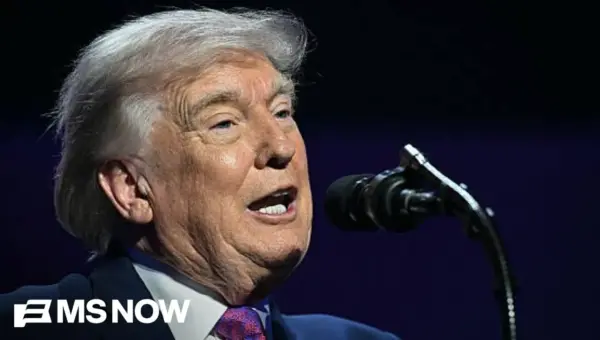
Trump Rallies Young Voters with UFOs, Inflation Claims
Former President Donald Trump held a rally in Arizona aimed at young voters, but the event saw low attendance and featured discussions on UFOs and inflation. Analysts questioned Trump's strategy, noting his confusion about midterm election losses and the potential negative impact on Republican candidates.

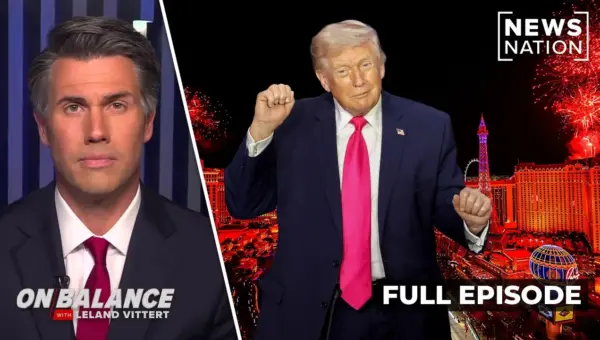
Trump’s Economy: Vegas Gamble or Real Recovery?
President Trump's economic message faces headwinds as polls show most Americans feel the economy is struggling, despite stock market highs. A "K-shaped" economy and global conflicts like the Iran war add to the challenges. Meanwhile, debates rage over accountability in Congress and shifting US public opinion on foreign policy.

World Bank Warns Global Economy Faces Multiple Crises
The World Bank has issued a stark warning about the global economy, which is facing multiple crises simultaneously. Their analysis projects around 15 million jobs could be affected, along with a significant slowdown in growth and persistent inflationary challenges. Policymakers are urged to make difficult decisions that balance current needs with future economic realities.