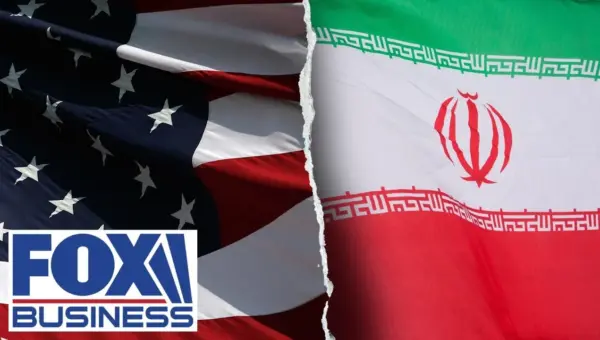
Iran’s Nuclear Claims Questioned Amid Missile Tests
Iran's missile tests and past nuclear claims have fueled skepticism from U.S. officials. While diplomatic talks are ongoing, concerns remain about Iran's true intentions and regional stability.
1,257 articles
Iran's missile tests and past nuclear claims have fueled skepticism from U.S. officials. While diplomatic talks are ongoing, concerns remain about Iran's true intentions and regional stability.
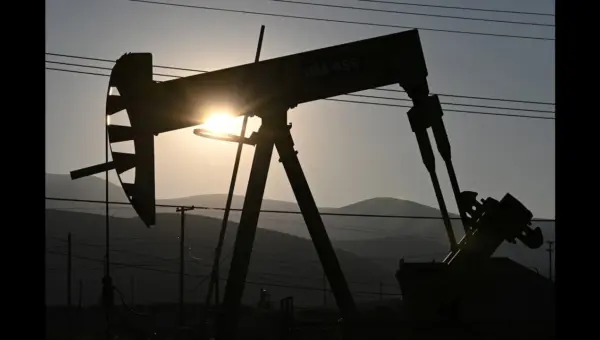
Stock markets surged and oil prices plummeted as fears of military conflict with Iran subsided following a decision to postpone strikes. The markets reacted swiftly to the reduced geopolitical risk, showing the direct link between international relations and economic stability.
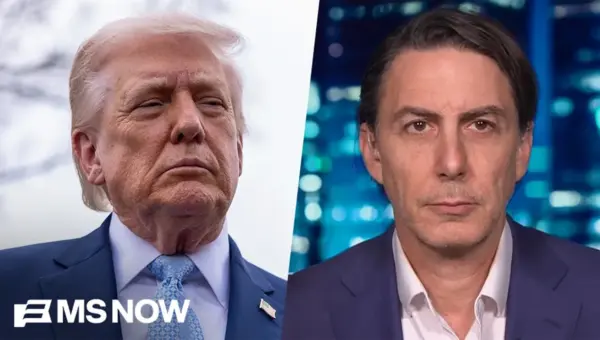
Former Biden energy aide Amos Hochstein warns that Donald Trump's actions concerning Iran have triggered the "worst energy crisis" in U.S. history. The conflict has caused a significant drop in global oil supply, leading to higher prices for fuel, food, and other essential goods. This crisis extends beyond oil, impacting diesel, jet fuel, fertilizers, and semiconductors.
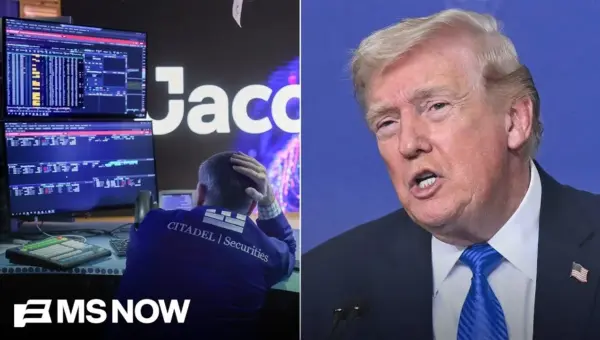
Stocks rallied sharply after President Trump announced a delay in strikes on Iran, easing immediate geopolitical tensions. However, experts caution that underlying economic threats related to the Strait of Hormuz remain, and market concentration in a few large companies adds to investor jitters.
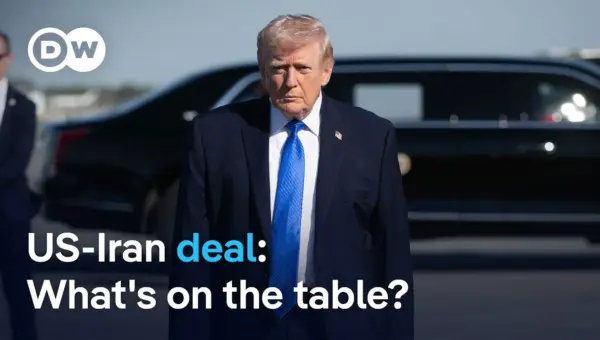
The United States and Iran are engaged in a high-stakes diplomatic dance, marked by conflicting statements on negotiations and retaliatory actions impacting global oil prices. Analysts describe the situation as a strategic 'poker game' with significant economic and military implications.
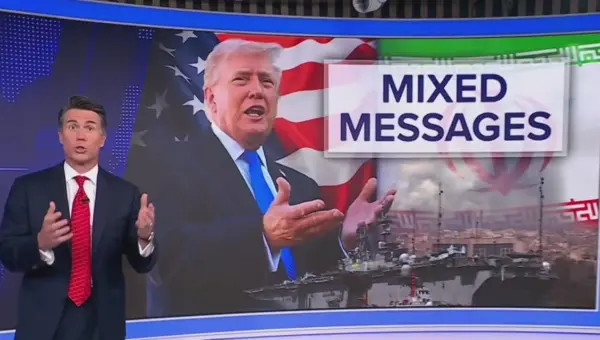
President Trump's changing stance on Iran, from demanding surrender to suggesting joint control of the Strait of Hormuz, has created widespread public confusion. This ambiguity complicates efforts to assess U.S. military success and raises questions about long-term strategy, impacting global stability and oil markets.
Former CIA Director John Brennan expressed skepticism over President Trump's claims of direct negotiations with Iran, stating he believes Iran's denial more than the President's assertions. Analysts highlight Iran's significant leverage, including its control over the Strait of Hormuz and its nuclear program, while the conflict impacts global oil prices and risks further escalation.
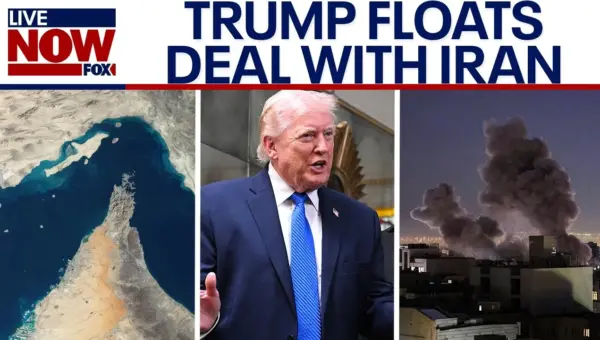
President Trump has paused planned military strikes on Iran's energy infrastructure, citing productive conversations and hinting at potential negotiations. This move comes amid heightened Middle East tensions, Iran's missile launches, and threats to the Strait of Hormuz. The situation remains uncertain as both sides offer conflicting accounts of diplomatic engagement.
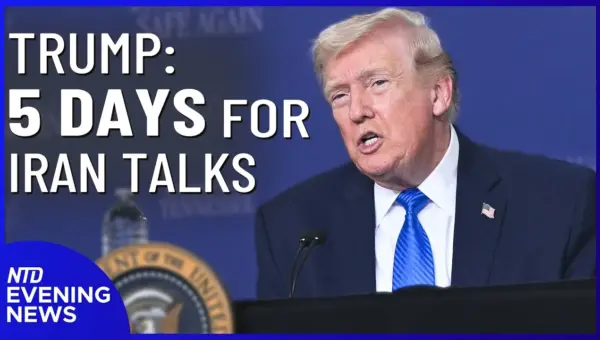
President Trump has paused military strikes against Iran for diplomatic talks, while NATO works to secure the Strait of Hormuz. Simultaneously, ICE officers are assisting TSA at airports to combat delays caused by staffing shortages.
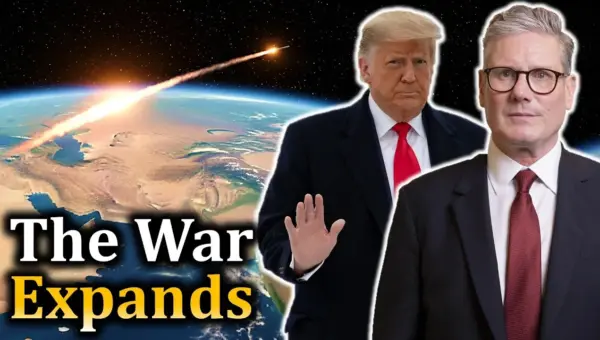
Iran has launched long-range ballistic missiles targeting Diego Garcia, a British base in the Indian Ocean. This unprecedented strike extends Iran's reach and prompts the UK to grant expanded access for operations to reopen the Strait of Hormuz. The attack raises significant concerns for European security, bringing major cities within potential missile range.