Middle East Peace Deal Sends Oil Down, Dow Up
Signs of peace in the Middle East have sent oil prices tumbling to $82 a barrel and boosted the Dow Jones Industrial Average by hundreds of points. This market shift follows intensified diplomatic efforts, driven partly by Iran's severe economic struggles. The potential for a nuclear material recovery deal and a new U.S. foreign policy approach are key developments.

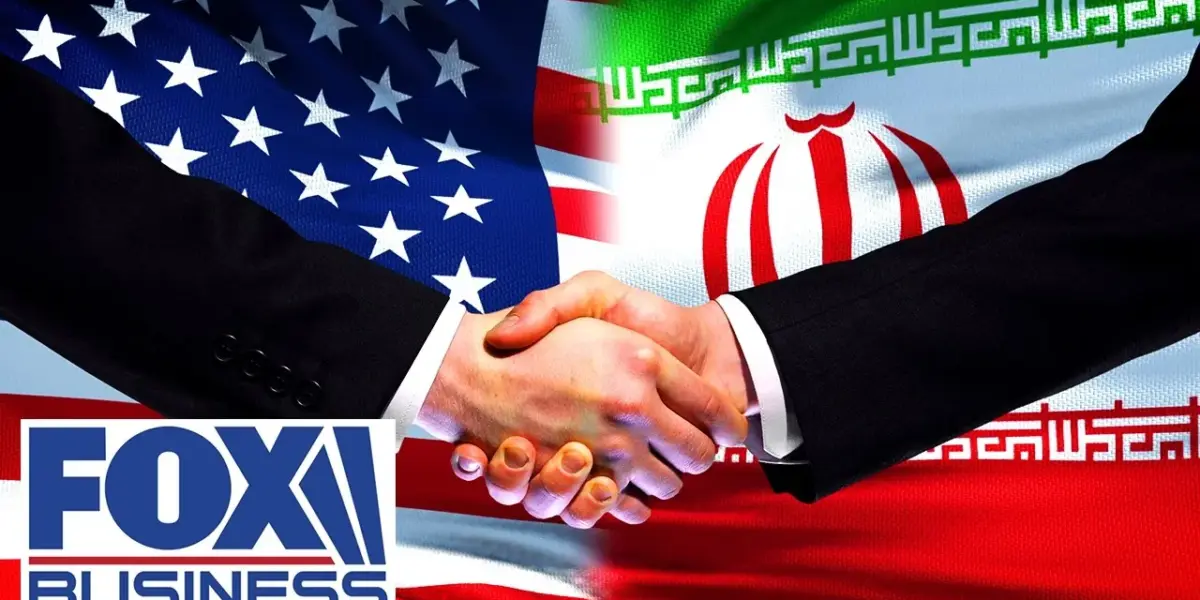
Middle East Peace Deal Sends Oil Down, Dow Up
Markets reacted positively as signs of peace emerged in the Middle East, with oil prices falling and the Dow Jones Industrial Average climbing hundreds of points. This shift follows a period of significant tension, particularly concerning the Strait of Hormuz, a vital waterway for global oil transport. The recent developments suggest a potential de-escalation, impacting energy markets and investor confidence.
Oil prices dropped to around $82 a barrel, a stark contrast to predictions that had placed it closer to $200. This decrease is directly linked to renewed diplomatic efforts and a potential easing of conflict in the region. The Dow’s surge of over 100 points reflects broader market optimism about a more stable geopolitical environment.
Iran’s Economic Struggles Drive Negotiations
A key factor influencing this potential peace appears to be Iran’s severe economic situation. Analysts suggest Iran’s leadership is facing immense pressure due to a devastated economy, a lack of industrial infrastructure, and a collapsing currency. This desperation is seen as a major motivation for Iran to reconsider its aggressive stance and engage in diplomatic solutions.
The administration’s strategy, described as a constant effort involving numerous negotiations and various tools, seems to be yielding results. By isolating Iran and its allies like Hezbollah, while strengthening ties with nations such as Israel and Gulf States, the U.S. has aimed to increase pressure on Tehran. This approach appears to be pushing Iran towards a more conciliatory position.
Nuclear Material Recovery and Diplomatic Opportunities
Discussions have also included the sensitive issue of nuclear material. Reports indicate that the U.S. may be able to recover nuclear dust created by its bombers, a move that would be a significant diplomatic win. While details are scarce, specialized U.S. teams are reportedly trained for such recovery operations, even in hostile environments, showcasing a capability to handle complex security challenges.
This potential agreement, if finalized, could involve a formal deal being signed, possibly in Pakistan. Such an event would be a landmark moment, potentially defining the current administration’s foreign policy achievements. The goal is to avoid prolonged conflicts that have plagued other regions, aiming for a decisive end to hostilities.
New Framework for U.S. Power Projection
The current approach signals a potential new way the United States projects its power globally, especially in the Middle East. The strategy focuses on degrading the enemy while offering clear opportunities for negotiation and a reasonable settlement. This contrasts with past conflicts that often devolved into lengthy stalemates, aiming for a clear victory and a swift resolution.
The successful conclusion of such a deal would represent a decisive moment, drawing parallels to historical victories where conflicts were resolved definitively. This would provide a clear narrative of success, moving away from the prolonged engagements that have characterized recent foreign policy endeavors.
Market Impact
The immediate market impact has been a decrease in oil prices and a rise in stock indices like the Dow. This suggests that investors are factoring in reduced geopolitical risk, particularly concerning supply disruptions from the Middle East. Lower energy costs can benefit consumers and businesses, potentially leading to increased spending and economic activity.
The longer-term implications depend on the sustained success of these diplomatic efforts. A lasting peace in the Middle East could lead to greater regional stability, encouraging foreign investment and economic growth. However, any resurgence of conflict could quickly reverse these positive market trends.
What Investors Should Know
Investors should monitor the ongoing diplomatic negotiations and their impact on oil prices and regional stability. The success of this potential peace deal could create opportunities in sectors that benefit from lower energy costs and increased global trade. Conversely, any setbacks could lead to renewed volatility in energy and equity markets.
The administration’s stated goal of achieving a decisive end to conflicts, rather than prolonged engagements, suggests a shift in foreign policy strategy. This could lead to a more predictable international environment, which is generally favorable for long-term investment. Investors might consider how this evolving geopolitical landscape could affect their portfolios.
Looking Ahead
The coming days and weeks will be crucial in determining whether these promising signs of peace solidify into a lasting agreement. The potential for a presidential visit to Pakistan to sign a deal highlights the significance of these ongoing diplomatic maneuvers.
Source: SHOCK TURN: Middle East conflict SUDDENLY shifts toward peace (YouTube)

Related Articles

Trump’s Hormuz Deal: Capitulation or Diplomacy?
Reports suggest a recent deal involving Donald Trump and Iran regarding the Strait of Hormuz has effectively given Iran significant control over the vital waterway. Critics argue this represents a major concession, while supporters claim it's a diplomatic achievement.

Trump Declares Strait of Hormuz Open, Iran Says Blockade Continues
President Donald Trump announced the Strait of Hormuz is "fully open" following a reported Israel-Lebanon ceasefire. Iran confirmed the strait is "completely open" but stated the U.S. blockade will remain in effect. This mixed messaging highlights ongoing regional tensions and their impact on global trade.
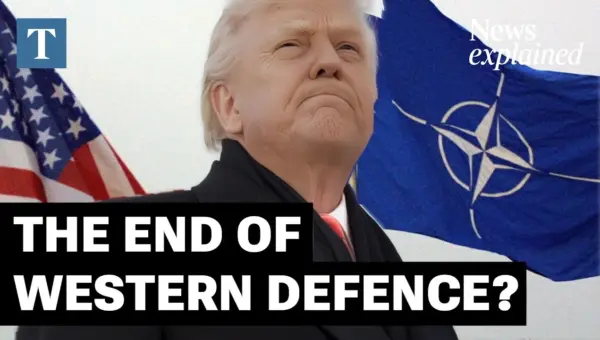
Trump’s NATO Threats Spark European Defense Fears
Former President Donald Trump's sharp criticism of NATO and threats to withdraw U.S. support have ignited fears about Europe's ability to defend itself. As tensions rise globally, European nations are increasing their military readiness, but a significant power vacuum could emerge if the U.S. disengages. Russia, meanwhile, appears to be watching closely, potentially benefiting from perceived disunity within the alliance.