Education Key to Tackling Obesity Crisis, Says Nutritionist
Nutritionist Monica Price argues that education, not just restrictions, is key to tackling obesity in towns like Ebbw Vale. She believes current government strategies are failing by not equipping people with essential cooking skills and understanding of nutrition. Price emphasizes that informed choices, rather than forced diets, are crucial for long-term health improvements.


Obesity Crisis Deepens in ‘Fattest Town’
In Ebbw Vale, a town struggling with high obesity rates, residents and officials are seeking solutions to a growing health problem. Nearly 80% of adults in the Welsh town are overweight, leading local councilors to consider drastic measures like banning junk food advertising and limiting new fast-food outlets. This situation highlights a complex issue where cheap, accessible takeaways dominate the high street, often leaving residents with few healthier options.
Nutritionist Monica Price argues that while these measures are a start, they don’t address the root cause. She believes that government strategies for tackling obesity, like the Healthy Weight, Healthy Wales initiative, are falling short. Price emphasizes that simply restricting unhealthy options isn’t enough; the focus needs to shift towards empowering individuals with knowledge and skills.
Education and Choice: The Missing Link
Price points to a significant gap in education, particularly regarding cooking skills. “We’ve lost cooking skills, and that is extremely important when you’re trying to help yourself lead a much healthier lifestyle,” she stated. The nutritionist believes that teaching people how to prepare nutritious meals is crucial for long-term health improvements.
The conversation also touched on the perception that healthy food is more expensive than takeaways. While acknowledging that price can be a factor, Price questions how families can afford to eat takeaways every night, suggesting that the cost of frequent fast food might be underestimated. She advocates for educating communities on nutrition and the serious health risks associated with being overweight or obese, such as heart disease and diabetes.
Empowering Consumers with Choices
The idea of changing the high street’s appearance, with fewer takeaways and more shops selling fresh produce, was discussed. However, Price cautioned that simply altering the availability of food might not change ingrained habits. “I don’t think it would change people’s habits, but I think it would give them a choice,” she explained.
Price stressed that people should have the freedom to choose what they eat, but this choice must be informed. “You cannot force someone to eat healthily.
But if you give them the choice and you educate them into understanding that actually what you eat, you are what you eat…” she said. The nutritionist believes that providing clear information about the long-term effects of diet on the body empowers individuals to make healthier decisions.
Government Strategies Under Scrutiny
Price expressed concern that government strategies, while aiming to protect future generations through primary prevention, are failing to reach those who need them most. She noted that while initiatives like sugar levies and advertising bans can help, they don’t build community understanding or skills. The focus on directing resources to primary prevention is seen as insufficient if people aren’t effectively guided to access available services.
The current approach, Price suggests, lacks clear signposting for individuals seeking help or information on healthy living. This leaves a gap between government intentions and community needs, contributing to the ongoing rise in obesity rates despite widespread awareness campaigns about healthy lifestyles.
Looking Ahead: A Call for Informed Choices
As Ebbw Vale explores new ways to combat obesity, the emphasis on education and informed choice remains central. While physical changes to the high street might offer more options, the ultimate solution lies in equipping residents with the knowledge to make healthier decisions for themselves and their families.
The discussion highlights the need for a more integrated approach that combines accessible education, a wider variety of healthy food options, and clear guidance on nutritional choices. Future strategies will likely need to build upon these foundational elements to create lasting change.
Source: Britain's 'Fattest' Town Is A Failure Of Education | Nutritionist (YouTube)

Related Articles


UK Meningitis Outbreak: Cases Surge in Kent; Officials Respond
A significant and unexpected outbreak of bacterial meningitis has emerged in Kent, UK, leading to multiple deaths and prompting an urgent public health response. A nightclub in Canterbury is believed to be the source of the outbreak, with thousands of university students now receiving vaccinations. Health officials are monitoring the situation closely and urging vigilance for symptoms.


Real Housewives Demand HIV/AIDS Action on Capitol Hill
Seven stars from The Real Housewives franchise visited Capitol Hill to advocate for HIV/AIDS research and prevention funding. Partnering with the telehealth platform Mister, the women aimed to reduce stigma and promote HIV prevention drugs like PrEP. They emphasized that HIV affects everyone and called for an end to fear and shame surrounding the disease.

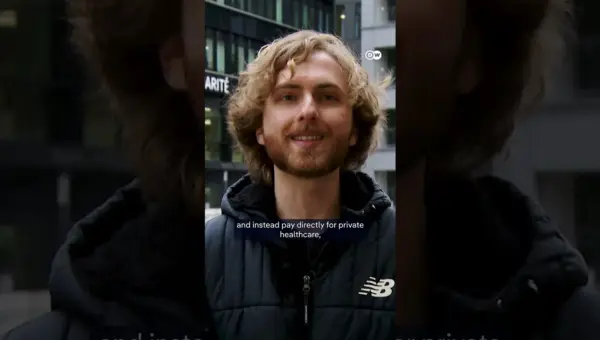
Germany’s Healthcare System Faces Deep Crisis
Germany's renowned universal healthcare system is facing a significant crisis, marked by understaffed hospitals and long patient wait times despite high spending. Experts point to funding inefficiencies, including a loophole allowing some to opt out of public insurance, and the impact of an aging population as key contributors. The government is pursuing reforms, but the system's stability remains a concern.