President Eyes Congress to Reform College Sports
President Trump signed an executive order urging Congress to create new rules for college sports, focusing on the transfer portal and Name, Image, and Likeness (NIL) deals. The move aims to bring stability amid concerns over athlete movement and the financial strain on universities, particularly from football programs.

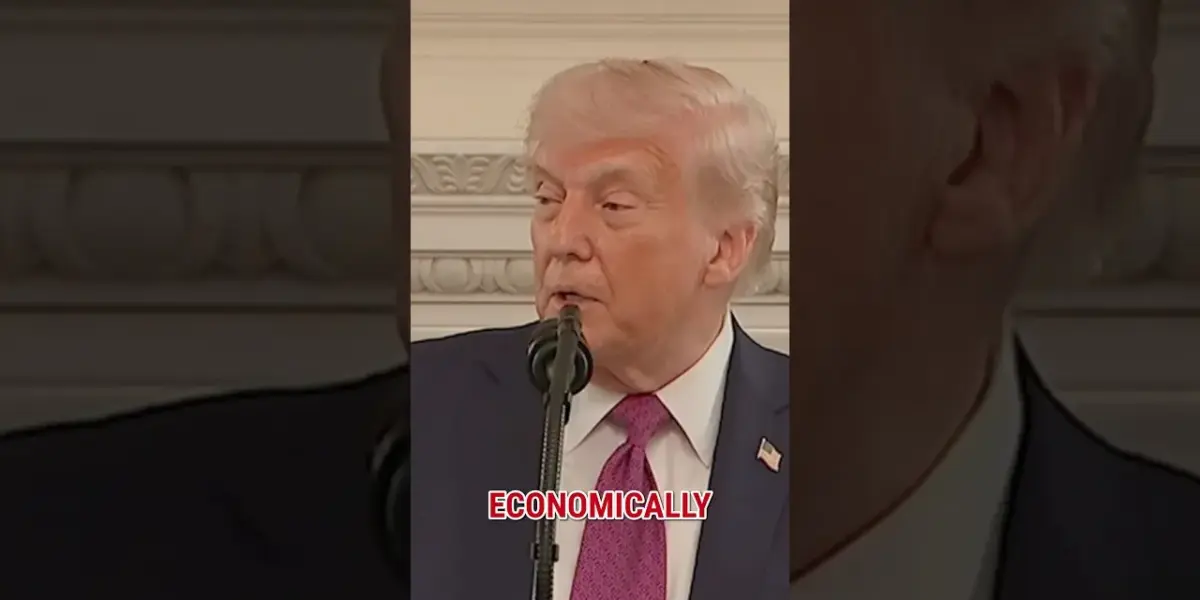
President Seeks Congressional Action on College Sports Reforms
The President has signed an executive order aimed at shaking up college sports, with a primary goal of bringing Congress into the fold to create lasting changes. This move signals a desire for federal lawmakers to establish clearer rules and protections for collegiate athletics across all levels.
A key focus of the executive order is the transfer portal, a system allowing athletes to switch schools. The President expressed a desire to limit college athletes to only one transfer opportunity during their careers. This aims to address a trend where some athletes move between four different teams over their four years of eligibility.
NIL and Financial Sustainability in Focus
The executive order also touched upon Name, Image, and Likeness (NIL) deals, which allow college athletes to profit from their personal brand. The President stated that more “guardrails,” or rules, are needed to oversee these agreements. This suggests a concern that current NIL practices may lack sufficient oversight and could be creating confusion.
The administration believes that Congress must now step in to provide permanent reforms. This action is intended to clear up confusion that has arisen from court decisions. Such reforms are seen as crucial to protecting the future of college sports, especially for sports beyond football.
Football’s Economic Strain on Colleges
While football often receives the most attention, the transcript highlights its significant economic impact on colleges. The current high payments to football players are reportedly causing colleges to lose substantial amounts of money. This situation is described as unsustainable for many institutions.
The President recently honored 100 collegiate athletes at the White House who were NCAA champions. The event recognized various teams, including the Oklahoma State men’s golf team and the Texas A&M women’s volleyball team. Other honorees included the Wake Forest men’s tennis team, the Georgia women’s tennis team, Youngstown State’s women’s bowling team, West Virginia’s mixed rifle team, and Florida State’s women’s soccer team.
No New Federal Policy, But Call for Oversight
No new federal policies were announced during the White House event. However, the President reiterated his call for increased oversight and clearer rules for college sports. The goal is to create a more stable and equitable environment for all collegiate athletes and programs.
A striking example of the impact of transfers was noted: the Michigan Wolverines, who recently won the national championship in football, had all five of their starting players as transfers. This highlights how transfers have become a significant factor in top-tier college athletics.
Market Impact
The President’s executive order and his call for congressional action could lead to significant changes in the structure of college sports. If Congress enacts new legislation, it could impact how NIL deals are structured, how the transfer portal operates, and potentially the financial models of athletic departments across the country.
For investors in companies related to college sports, such as apparel brands or media companies holding broadcasting rights, future regulations could alter revenue streams and market dynamics. The emphasis on financial sustainability suggests a potential move towards more controlled spending within athletic programs.
What Investors Should Know
The push for federal regulation indicates a growing concern over the current state of college sports finances and athlete movement. Investors should monitor potential legislative developments in Congress. Any new rules could affect the profitability and operational strategies of NCAA member institutions and related businesses.
The focus on limiting transfers and adding guardrails to NIL could lead to greater stability in college athletic programs. This might reduce the volatility associated with player movement and NIL spending, potentially creating a more predictable environment for long-term investments in collegiate sports.
Congress is expected to consider these issues in the coming months. The outcome of these deliberations will shape the future landscape of college athletics.
Source: SYSTEM SHAKEUP: Executive order raises BIG questions #shorts (YouTube)

Related Articles

Haugh Stays a Gator, Passes on NBA Draft
Thomas Haugh announced he is returning to the University of Florida for another season, withdrawing his name from the 2026 NBA Draft. He cited pride and a desire to compete for a championship with his teammates as key reasons for his decision. Haugh plans to improve his ball-handling and shooting this season.

Trump Vows to ‘Save College Sports’ with New Reforms
Former President Donald Trump has pledged to "save college sports," criticizing current trends as "crazy" and vowing to implement reforms. His administration's focus includes protecting women's sports and ensuring athletic success is based on merit, not "pay for play" schemes that favor larger programs.
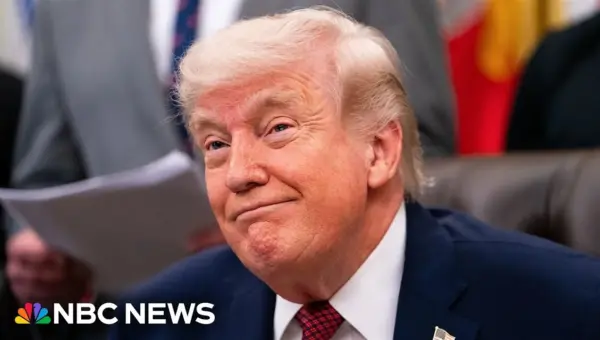
President Trump Celebrates NCAA Champions at White House
President Donald Trump hosted seven NCAA championship-winning teams at the White House, celebrating their athletic achievements and discipline. The event also served as a platform for the President to discuss his administration's reforms aimed at protecting college sports, including measures on eligibility and athlete competition.