Poll: Trump Approval Drops Amid Iran War Concerns
New polling indicates President Trump's approval rating has fallen to 37 percent as a significant majority of Americans disapprove of his handling of the war in Iran. The economy remains the top concern for voters, though confusion persists regarding the rationale behind the conflict with Iran. This lack of public support contrasts with historical doctrines for engaging in military action.

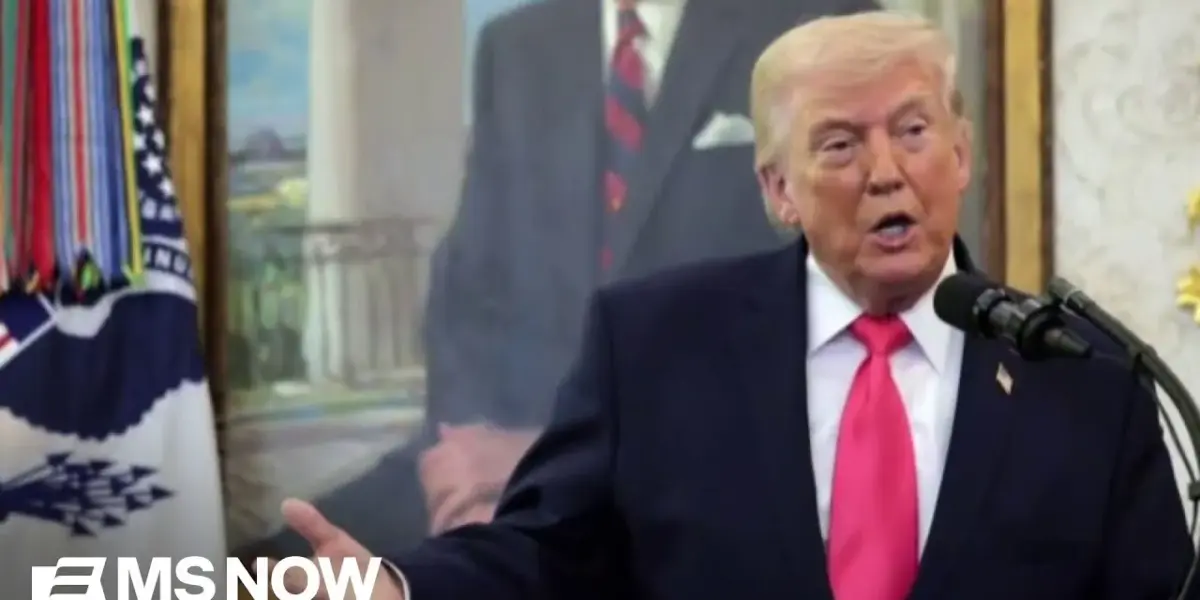
Trump’s Approval Sinks as Iran War Worries Mount
President Trump’s approval rating has hit a new low for his second term, with a recent NBC News poll showing only 37 percent of Americans approve of his job performance. Conversely, 63 percent disapprove.
This dip in public opinion comes as a significant majority, two-thirds of Americans, express disapproval of Trump’s handling of the conflict with Iran. A strong 54 percent of those polled indicated they strongly disapprove of the administration’s approach to the war.
Economy Still Top Voter Concern
Despite the focus on foreign policy, the economy remains the leading issue for voters. The NBC News poll found that 29 percent of Americans identify the economy as the most important issue facing the country today.
Threats to democracy follow closely behind, cited by 24 percent of respondents. Other key concerns include healthcare, mentioned by 12 percent, and crime and safety, which was the top issue for 10 percent of those surveyed.
Public Confusion Over Iran Conflict
Experts suggest a lack of clear communication from the White House is contributing to public unease about the war in Iran. There’s a sense that many Americans don’t understand the reasons behind the current military actions.
This administration has not effectively established a clear national consensus or rationale for the conflict, leading to surprise and confusion. This presents a significant challenge for the President and his administration moving forward.
Shifting Priorities for Voters
Looking ahead to the next election, voter priorities offer a telling picture of national concerns. The top three issues that matter most to Americans are immigration, crime and safety, and foreign policy.
However, foreign policy often only gains public attention when things go poorly. Voters tend to focus more on immediate, personal concerns like crime and safety, often referred to as “kitchen table issues.”
Crime Rates Show Historic Decline
Interestingly, crime rates across America have seen a significant drop over the past three years. This decline is notable even when compared to previous administrations.
For instance, New York City recently experienced its safest January on record. Similar trends are being observed in many cities nationwide, indicating that overall crime is falling in most areas.
Immigration and Border Security
Immigration is another key issue for voters, influenced by two major developments. The southern border has reportedly been secured, which has lessened its prominence as a public concern.
The harsh and often brutal enforcement of immigration policies has had a sobering effect. This approach, which has tragically resulted in deaths on American streets, has also contributed to a decrease in public focus on immigration, though it remains a significant issue.
The Weinberger-Powell Doctrine for War
Reflecting on past military engagements, a set of principles known as the Weinberger-Powell Doctrine provides a framework for considering military action. This doctrine, developed after the Vietnam War and influenced by events like the 1983 Beirut barracks bombing, outlines eight conditions that should be met before committing to war. These include a vital national security interest being threatened, a clear and attainable objective, and ensuring all risks and costs have been fully considered.
Key Conditions for War:
- Is there a vital national security interest threatened?
- Is there a clear, attainable objective?
- Have all risks and costs been fully considered?
- Is there a plausible exit strategy?
- Is the action supported by the American people?
- Is there genuine, broad international support?
Public Support Lacking for Iran Conflict
The current situation in Iran highlights a significant departure from these established principles. Only one in three Americans supports the current military actions, with two out of three opposing them.
This lack of public backing stands in stark contrast to the conditions outlined in the Weinberger-Powell Doctrine. The nation seems to have bypassed lessons learned from past conflicts like Vietnam and the difficult end to the war in Afghanistan.
Congressional War Powers and Public Consent
The founders of the United States established Congress’s power to declare war for a crucial reason: to ensure public understanding and support for military conflicts. This power is not merely about checks and balances between branches of government. It’s about ensuring that the people, represented by Congress, understand the objectives and sacrifices involved in war, making sustained public support possible.
Trump Faces Unpopular War
The absence of the conditions outlined by the Weinberger-Powell Doctrine helps explain President Trump’s current challenges. He is leading a war that is strongly opposed by two-thirds of the country.
Such a lack of public approval makes it extremely difficult for any American president to successfully lead a prolonged military conflict. This situation leaves the President with limited options, potentially pushing him towards seeking a negotiated settlement.
Iran’s Strategic Position
From Iran’s perspective, the current situation presents an opportunity. They recognize that the U.S. administration may need a resolution more than they do.
For Iran, the objective is survival, not necessarily outright victory. This dynamic gives Iran significant leverage in any ongoing negotiations or conflict, as they can afford to wait out American resolve.
Looking Ahead
With President Trump’s approval rating tied to the unpopular war in Iran, attention will remain on diplomatic efforts and potential negotiations. The administration faces the challenge of either building public support for its actions or finding a path to de-escalation. The upcoming weeks will likely reveal whether the President can shift public opinion or if diplomatic solutions will become the only viable option.
Source: Trump's approval rating sinking as Americans express growing concern about war in Iran: poll (YouTube)

Related Articles
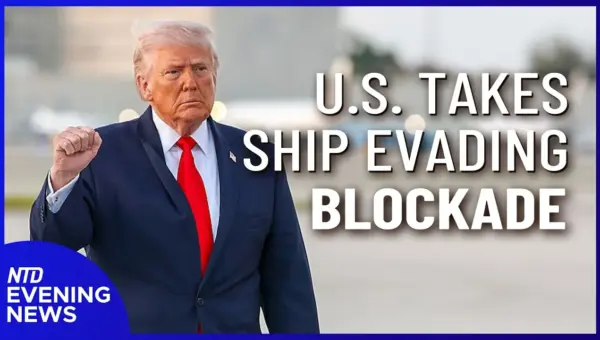
US Takes Tough Stance on Iran, Shifts Global Aid Focus
The U.S. has seized an Iranian cargo ship and is preparing for new peace talks with Iran, signaling a tougher stance. Simultaneously, the Trump administration is promoting a "trade over aid" initiative, shifting global economic policy. The broadcast also covered a tragic shooting in Louisiana and a debate over city-run grocery stores in New York City.

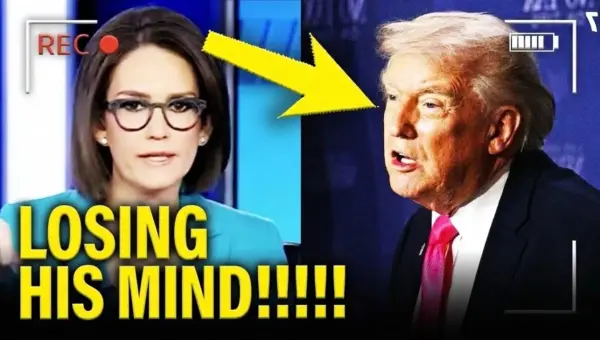
Trump Attacks Critics When Polls Show Him Falling
Donald Trump's recent attacks on a Fox News host and the Pope highlight a pattern of deflecting criticism through personal insults. When faced with low approval ratings and policy critiques, Trump often shifts the focus to attacking his opponents rather than addressing substantive issues.


Harris: Trump Started Iran War Americans Don’t Want
Vice President Kamala Harris criticized former President Donald Trump's approach to Iran, stating he "entered a war that the American people do not want." Speaking in Michigan, Harris alleged that Trump was influenced by Israeli Prime Minister Benjamin Netanyahu. She warned that this policy strained alliances and increased costs for Americans.