US Takes Tough Stance on Iran, Shifts Global Aid Focus
The U.S. has seized an Iranian cargo ship and is preparing for new peace talks with Iran, signaling a tougher stance. Simultaneously, the Trump administration is promoting a "trade over aid" initiative, shifting global economic policy. The broadcast also covered a tragic shooting in Louisiana and a debate over city-run grocery stores in New York City.

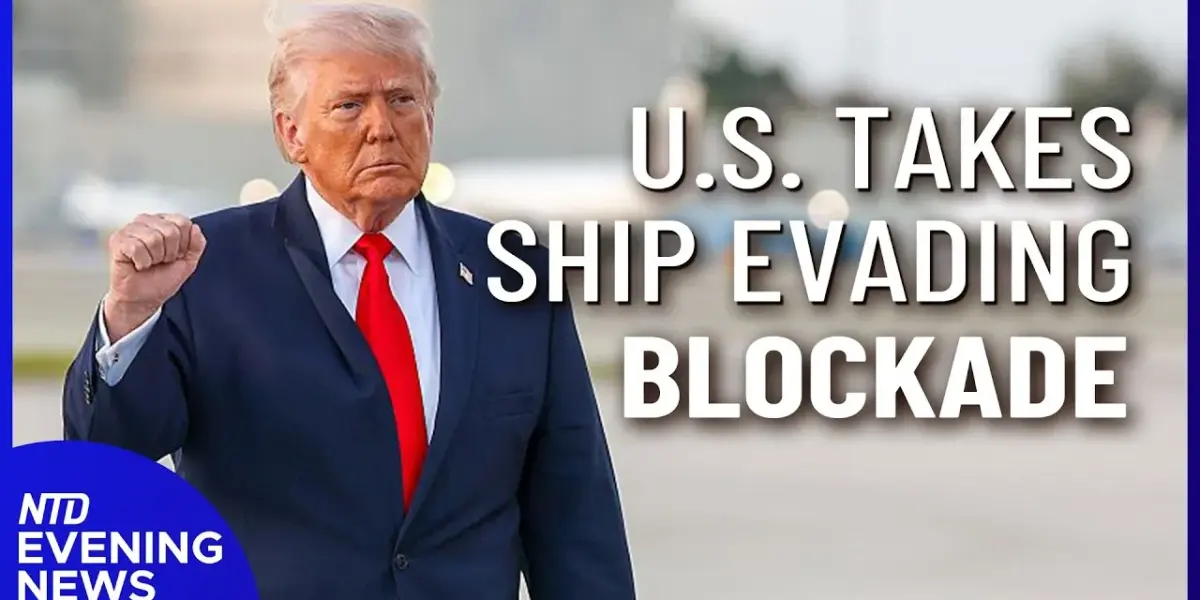
US Takes Tough Stance on Iran, Shifts Global Aid Focus
President Trump announced a significant action against Iran, stating that U.S. Marines seized an Iranian cargo ship attempting to pass an American blockade. The ship, nearly 900 feet long, was intercepted in the Gulf of Oman by the USS Bainbridge after refusing to stop. U.S. forces disabled the vessel by damaging its engine room, and it is now under U.S. Treasury sanctions due to its history of illegal activities.
This aggressive move comes as the U.S. prepares for another round of peace talks with Iran, scheduled to take place in Pakistan. President Trump accused Iran of violating a temporary ceasefire agreement by firing on ships in the Strait of Hormuz. He warned of severe consequences if a deal isn’t reached, threatening to disable all power plants and bridges in Iran, stating, “No more Mr. nice guy.”
Historical Context of Conflict
U.S. Ambassador to the United Nations, Mike Waltz, defended the potential military actions by referencing historical precedents. He pointed to World War II tactics of bombing infrastructure, noting that such targets can be used for military purposes, including drone and missile manufacturing. Waltz also highlighted Iran’s alleged practice of hiding military assets within civilian areas like hospitals and schools, and their direct targeting of civilian locations across the Gulf.
The Strait of Hormuz remains a critical global shipping route. In 2025, an estimated 20 million barrels of crude oil and oil products, about 25% of the world’s seaborne oil trade, passed through it daily. Iran has previously threatened to close this vital strait, making its security a key concern for global energy markets.
Shifting Foreign Policy: Trade Over Aid
The Trump administration is also promoting a new foreign policy initiative called “trade over aid.” This approach urges nations worldwide to prioritize increased economic relations and foreign investment over traditional financial aid to developing countries. The initiative, set to be introduced at the United Nations, aims to lower trade barriers and create jobs, fostering self-sufficiency rather than dependency.
Rod Martin, a political analyst, described this as a remaking of American foreign policy. He contrasted it with China’s Belt and Road Initiative, which he called a debt trap, and the West’s “socialist version of aid” that creates long-term poverty. Martin argued that countries with significant wealth should not remain dependent on the West but can become prosperous capitalist nations through fair trade and economic partnerships.
“Let’s lower barriers to capital, drive foreign investment, and create jobs, not dependency.”- UN Ambassador Mike Waltz
Critics question if this is an end to foreign aid or a reprioritization. Martin clarified that it’s a reprioritization, acknowledging that aid is sometimes necessary for disaster relief.
However, he stressed that most global poverty stems from poor governance, lack of property rights, and insufficient legal systems for businesses. The new policy aims to build economic futures by reducing trade barriers and encouraging indigenous economies, expecting market access for American producers and friendly relations in return.
Global Partnerships and Security Concerns
In parallel, the U.S. is deepening its defense partnership with Morocco, signing a new ten-year roadmap for military cooperation. This agreement aims to enhance training, intelligence sharing, and defense sales, building on a 2020 ten-year defense agreement. Morocco is a key non-NATO ally, and this partnership is seen as vital for counterterrorism efforts and regional stability.
Meanwhile, concerns are rising over China’s undersea activities. An Indonesian fisherman discovered a Chinese underwater drone in the Lombok Strait, a critical waterway.
Analysts believe this drone is part of China’s extensive undersea monitoring system, potentially used for seabed mapping and supporting submarine operations. This discovery highlights growing strategic competition and security concerns in vital maritime regions.
Domestic Tragedies and Economic Debates
The broadcast also covered a devastating shooting in Shreveport, Louisiana, where eight children, aged 1 to 14, were killed. Authorities are investigating the domestic disturbance, which led to a police chase and the suspect’s death. The incident has deeply shaken the community, with local and state leaders offering their condolences and support.
New York City is exploring a new initiative to open city-run grocery stores aimed at making essential food items more affordable. While proponents see it as a way to help lower-income residents, independent grocery store owners express concerns about unfair competition. The plan involves building one store in each borough by 2029, with significant projected costs, raising debates about public spending and its impact on existing businesses.
Why This Matters
The events highlighted in this broadcast point to a significant shift in U.S. foreign policy, moving towards a more assertive stance in international relations, particularly with Iran. The “trade over aid” initiative signals a departure from traditional foreign assistance, emphasizing economic partnerships and self-sufficiency. This could reshape global development and U.S. influence in developing nations.
Simultaneously, the U.S. is strengthening alliances and responding to growing geopolitical challenges, from Iran’s regional actions to China’s expanding maritime presence. Domestically, the nation grapples with gun violence and economic disparities, as seen in the tragic shooting in Louisiana and the debate over New York City’s grocery store plan.
Future Outlook
The upcoming peace talks with Iran will be a critical test of the U.S. strategy, with the potential for significant escalation or de-escalation. The success of the “trade over aid” policy will depend on its implementation and the willingness of nations to embrace economic partnerships over traditional aid. Increased focus on strategic alliances like the one with Morocco suggests a continued emphasis on security cooperation in a complex global environment.
The discovery of Chinese drones in key waterways highlights the evolving nature of global security threats and the need for enhanced maritime awareness. As the U.S. navigates these international challenges, domestic issues of public safety and economic fairness will remain central to its policy agenda. The coming months will reveal the impact of these intersecting developments on both U.S. foreign policy and its internal affairs.
The next round of peace talks with Iran is expected to begin on Tuesday.
Source: NTD Evening News Full Broadcast April 19 (YouTube)

Related Articles
US Navy Seizes Iranian Ship Amid Strained Relations
The U.S. Navy has seized an Iranian cargo ship in the Gulf of Oman after the vessel allegedly attempted to pass an American blockade. President Trump announced the seizure, stating U.S. Marines now have custody of the ship. This incident occurs amid reports of upcoming U.S.-Iran talks, which Iran has reportedly denied participating in.


US Weighs Cuba Invasion Amidst Economic Crisis
The U.S. is reportedly weighing military options for Cuba amidst a severe economic crisis. Reports suggest the Pentagon is preparing for potential operations, while Cuba urges its citizens to prepare for conflict. Experts question the timing of U.S. intervention.


Russian CEOs Criticize Putin’s Grip on Power
Russian business leaders and youth are expressing growing discontent with President Putin's leadership, citing economic woes and a disconnect from reality. The head of a chemical plant, Cherepovets Azot, directly criticized the Kremlin following a Ukrainian drone strike on his facility. This sentiment of pessimism about Russia's future is reportedly widespread among younger generations, who feel stifled by internet restrictions and economic hardship.