Navy Food Shortages Expose Troubling Military Logistics Failures
Reports reveal U.S. Navy sailors in the Middle East are facing food shortages and delayed care packages, contradicting official claims of military dominance. Strategic attacks on supply hubs have disrupted vital logistical lines, impacting ship resupply and crew welfare. This situation raises serious questions about military transparency and operational readiness.

Navy Food Shortages Expose Troubling Military Logistics Failures
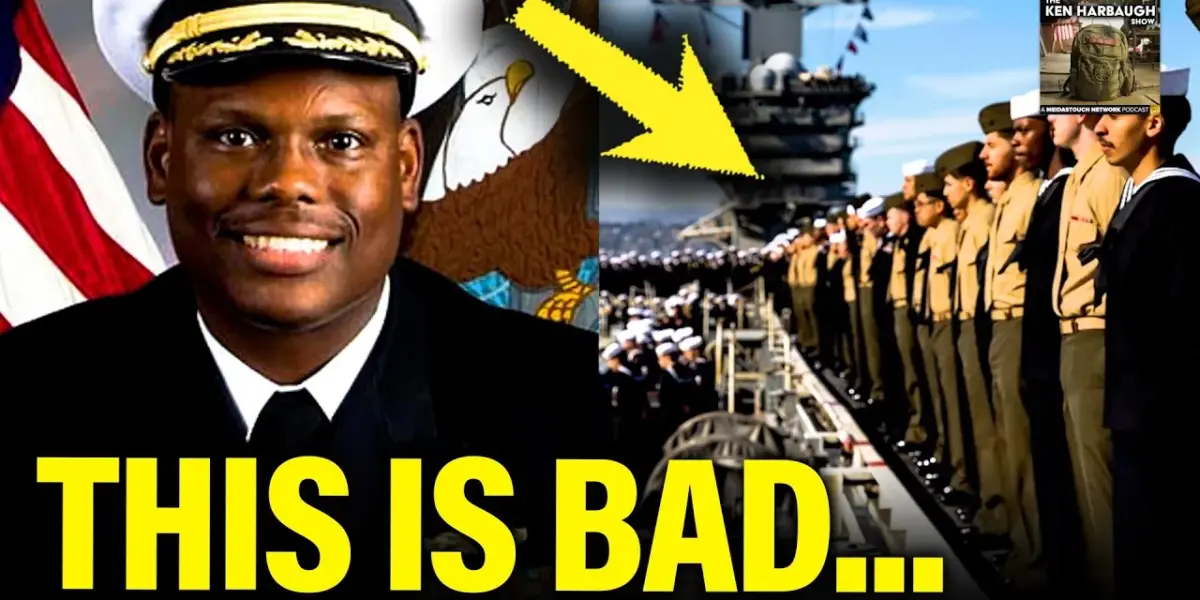
A recent report from USA Today highlights serious issues with food supplies for U.S. Navy sailors in the Middle East. Families are reporting that their loved ones are not being fed properly on deployed warships.
Pictures show meager meals, with sailors claiming their ships are forced to ration existing food stores. This contradicts official statements from the president and the secretary of defense, who claim U.S. forces are dominating in the region.
These troubling reports come from military family members who are deeply concerned about the welfare of their deployed service members. The situation suggests a significant breakdown in military planning or a much more serious reality than the public has been told. The contrast between official claims of success and the ground-level experience of sailors is stark and concerning.
Logistical Lines Under Strain
A key factor contributing to these shortages appears to be disruptions in the military’s logistical supply chain. Thousands of care packages from families, which often contain non-perishable food and essential hygiene items, are reportedly being held up. This is happening because mail delivery to deployed ships has been suspended to numerous military zip codes, with no clear end date in sight.
The U.S. Postal Service normally has ways to deliver mail to ships, ensuring service members can vote and stay connected with home. However, a significant number of military zip codes have recently had their mail services suspended. This indicates that the vital links connecting troops to essential supplies are being severely impacted.
Attacks on Key Infrastructure
The underlying cause of these logistical failures is traced back to strategic attacks on key U.S. military bases and storage facilities in the Middle East. These attacks have specifically targeted warehouses used for storing mail, food, and other crucial supplies. This has created a domino effect, disrupting the flow of goods essential for sustaining military operations at sea.
U.S. Navy warships rely heavily on a Combat Logistics Force, a group of support ships that regularly resupply them with fuel, food, and mail. These replenishment ships typically meet warships at sea or use established ports to gather supplies. However, with many of these crucial ports and storage areas hit, the entire system is struggling to function as intended.
Strategic Targeting of Supply Hubs
Iran has been strategic in its choice of targets, striking at vital logistical hubs. The Fifth Fleet headquarters in Bahrain, a major storage area, was hit. In the UAE, the port of Jebel Ali, described as the busiest U.S. port in the Middle East and a critical resupply point, was also attacked.
These attacks have effectively cut off access to essential replenishment points. This forces the supply line to extend much further, making it harder and slower to get necessary goods to the fleet. The inability of ships to access these vital ports directly impacts their ability to remain at sea and conduct operations effectively.
Official Rebuttals and Family Concerns
The Pentagon, through figures like Pete Hegseth, has pushed back against these reports, stating that millions of meals have been served and that food is not an issue. They claim each ship leaves with over 30 days of food. While technically ships may be stocked, this doesn’t address the quality or caloric value of the food being provided.
Sailors on demanding duties in extreme heat require substantial caloric intake, which may not be met by basic rations like flour tortillas and refried beans. The initial supply of fresh food quickly spoils, leaving crews to rely solely on canned goods if resupply is interrupted. The pictures circulating show exactly this: an abundance of canned items, not fresh provisions.
A Credibility Gap
The discrepancy between official statements and the accounts from sailors’ families raises serious questions about the administration’s credibility. Throughout the conflict, there have been instances of initial reports being revised or downplayed, only to be later confirmed. This pattern of providing incomplete or inaccurate information erodes trust, especially when the welfare of service members is at stake.
When families inquire directly about the well-being and feeding of their loved ones, there has been a lack of official comment. Responses only seem to be issued when major news outlets like USA Today begin asking questions. This reactive approach, rather than proactive transparency, fuels public concern and doubt about the leadership’s handling of the situation.
Freedom of Navigation Questioned
The current logistical challenges also cast doubt on the Navy’s claims of complete freedom of navigation. The USS George H.W.
Bush, a major aircraft carrier, had to take an exceptionally long route around the Cape of Good Hope to reach the Middle East. This detour was reportedly to avoid the Suez Canal and the Red Sea due to threats from Houthi rebels.
This deviation from standard routes for one of the U.S.’s most powerful warships suggests that the operational environment is far more restricted than officially portrayed. If even the most advanced vessels cannot freely transit key waterways, it highlights the significant impact of the disrupted supply lines and ongoing threats.
Why This Matters
The ability to feed and supply troops is fundamental to military readiness and morale. Reports of food shortages and delayed care packages directly impact the well-being of sailors and their families’ peace of mind. It also raises questions about the effectiveness of military planning and leadership in a complex geopolitical environment.
When official statements conflict with the experiences of those on the ground, it creates a trust deficit. This is particularly critical during times of heightened international tension, where clear and accurate information is paramount for public understanding and support. The situation with the Navy’s supply chain highlights the real-world consequences of strategic conflicts and the importance of robust logistical support.
Implications and Future Outlook
The current logistical strain suggests that U.S. military operations in the Middle East may face increasing challenges if supply lines remain compromised. The need to reroute supplies and avoid certain transit points adds complexity and cost to deployments.
This situation highlights the vulnerability of extended supply chains in contested regions. Future military planning will likely need to account for greater resilience and alternative resupply strategies to ensure operational continuity. The Pentagon and the administration face pressure to provide greater transparency and address these logistical concerns directly.
Historical Context
Logistics has always been a critical, though often unseen, component of military success. Throughout history, armies have been crippled by their inability to supply their troops, regardless of battlefield victories. From Napoleon’s retreat from Russia to the challenges faced in Vietnam, the importance of supply lines has been repeatedly demonstrated.
In modern warfare, the reliance on complex global supply networks makes these lines even more critical. The current situation in the Middle East echoes historical lessons about the consequences of disrupting these vital arteries. The U.S. military’s ability to project power depends heavily on its capacity to maintain these supply chains effectively.
Conclusion
Families are seeking immediate answers about the welfare and feeding of their loved ones serving overseas. They deserve clear and honest communication from military leadership. The current situation, with conflicting reports and delayed essential supplies, is unacceptable.
The U.S. military leadership, including the President and the Secretary of Defense, must address these concerns transparently. Providing evidence of proper feeding and supply, and explaining the logistical challenges, is essential for rebuilding trust and ensuring the well-being of our service members. The next official update on troop welfare and supply chain status is expected soon.
Source: Navy Commander EXPOSES Trump’s Treatment of U.S. Troops (YouTube)

Related Articles


Middle East Tensions Simmer as Ceasefire Nears End; Apple Names New CEO
As a temporary ceasefire in the Middle East nears its end, uncertainty looms over potential US-Iran talks, while Lebanon voices frustration at being excluded from negotiations. Meanwhile, Apple announced Tim Cook's departure after 15 years, appointing John Ternus as his successor, signaling a new era for the tech giant.


Trump’s Iran Strategy Criticized: ‘Winging It’ Without a Plan
Critics are questioning President Trump's strategy in Iran, arguing the administration lacks a clear plan amidst a significant troop deployment to the Middle East. The reliance on individuals without traditional diplomatic experience is a key point of concern, contrasting with past, expert-led negotiations. This situation is seen as potentially leading to a prolonged period of heightened military readiness.
Trump Blinks: Iran Rejects Talks, Forces Ceasefire Extension
Iran has rejected U.S. negotiation offers, viewing the naval blockade as an act of war. President Trump has unilaterally extended a ceasefire deadline, a move Iran states it never requested, leading to a diplomatic stalemate and heightened regional tensions.