Iran Hints at New Weapons as Ceasefire Nears End
Iran has signaled the potential deployment of new battlefield weapons, including advanced drones and missile targeting systems enhanced by Chinese technology. This announcement comes as a crucial ceasefire is set to expire, raising concerns about renewed hostilities. The U.S. maintains a strong military presence in the region, ready to counter any aggressive actions.

Iran Suggests New Military Capabilities
Iran’s top negotiator has stated the country possesses new battlefield capabilities as a ceasefire deadline approaches. The statement, made by Gallob off, indicates a potential escalation in regional tensions. He emphasized Iran’s refusal to negotiate under duress, suggesting a firm stance ahead of crucial talks.
This announcement follows reports of Iran acquiring advanced technology. Specifically, Iran is reportedly using Chinese satellite imagery to improve its targeting systems.
This upgrade allows for greater precision with its ballistic missiles and Shaheed drones, achieving accuracy down to approximately half a meter. Such enhanced targeting is critical for military operations.
Potential for Advanced Drone and Missile Technology
The Shaheed drones are known for their use in various conflicts. Their effectiveness is significantly boosted by precise targeting, making them a more potent threat. The ability to hit targets with such accuracy increases the strategic value of Iran’s missile and drone programs.
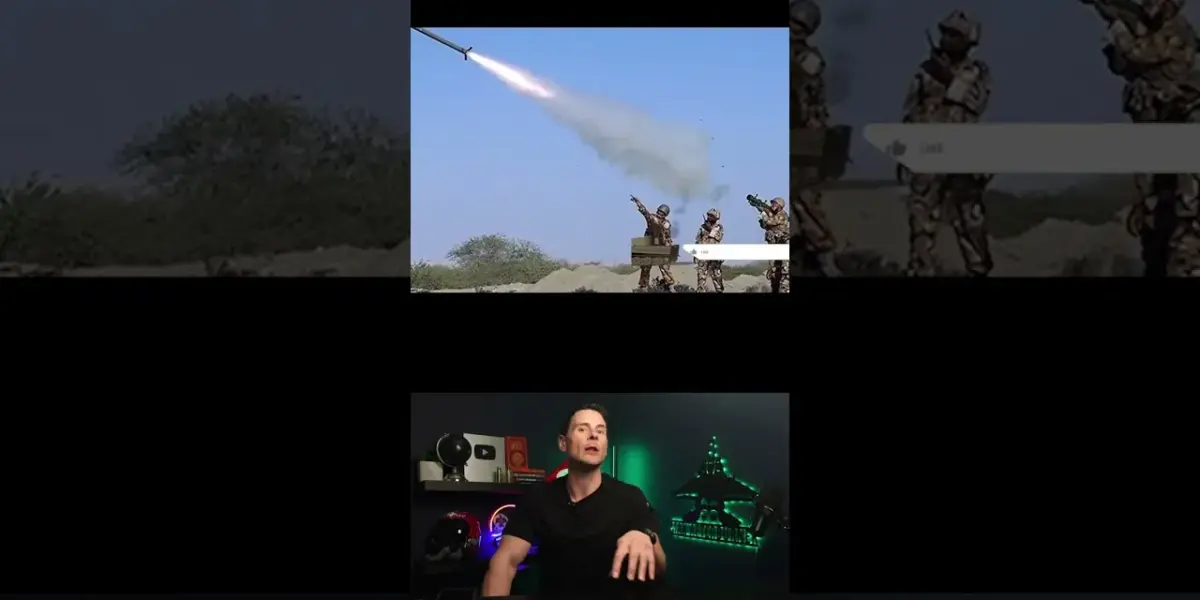
Further reports suggest Iran may have obtained advanced technology from China that enhances their Man-Portable Air-Defense Systems, or MANPADS. These systems could be equipped with electro-optical sensors.
These sensors might allow MANPADS to better target and potentially engage advanced fighter jets, such as those used by the United States. The inclusion of advanced cameras and technology would represent a significant upgrade to these defensive weapons.
Strategic Context and Geopolitical Implications
The expiration of the ceasefire tomorrow looms large over these developments. The possibility of renewed hostilities is a significant concern for regional stability.
Iran’s leadership, often referred to as the ‘mullahs’ in this context, may be using these announcements as a strategic maneuver to gain leverage. This tactic aims to influence negotiations by projecting strength.
However, the United States appears to be countering Iran’s perceived threats. The presence of a naval blockade and numerous fighter jets and bombers in the region suggests a readiness to respond.
These assets are positioned to potentially execute strikes against Iranian targets if necessary. This military posture indicates a strong counter-strategy to Iran’s claims of new capabilities.
What This Means on the Ground
The reported technological advancements, particularly in targeting and drone capabilities, could alter the balance of power in the region. Enhanced accuracy for ballistic missiles and drones means that potential targets, including military installations and infrastructure, face a greater threat. The improvement of MANPADS could also pose a more significant risk to air power in the area.
The strategic positioning of U.S. forces, including hundreds of fighter jets and bombers, is a deterrent. It signals a clear intention to defend allies and interests against any aggressive actions. This military buildup creates a tense standoff, where Iran’s next move could trigger a significant response.
Historical Parallels
The use of advanced targeting systems and drones echoes trends seen in modern warfare. Countries are increasingly relying on precision-guided munitions and unmanned aerial vehicles to achieve military objectives with reduced risk to personnel. The potential integration of Chinese technology into Iranian systems highlights the global nature of military innovation and proliferation.
Similarly, the tactic of projecting strength through announcements of new weapons, especially before critical negotiations or deadlines, is a well-established diplomatic and military strategy. It aims to influence perceptions and outcomes without necessarily initiating direct conflict, though it raises the risk of miscalculation.
The situation highlights the ongoing arms race in the Middle East, where technological advancements can quickly change the operational environment. The interplay between Iran’s reported advancements and the U.S. military’s readiness sets the stage for a critical period as the ceasefire expires.
Source: Iran's Regime Cornered As Their New Battlefield Cards Surface (YouTube)

Related Articles

Iran’s Nuclear Game: A Tightrope Walk to Peace?
Iran faces pressure to negotiate but is internally divided, with the Revolutionary Guard opposing compromise. A potential cease-fire extension is seen as a political move driven by fuel prices and regional stability concerns.


US-Iran Tensions Flare as Ceasefire Deadline Looms
U.S.-Iran tensions are escalating as a critical ceasefire deadline approaches, with uncertainty surrounding upcoming peace talks in Pakistan. Meanwhile, FBI Director Kash Patel has filed a $250 million defamation lawsuit against The Atlantic over a report alleging misconduct. In Washington, the Labor Secretary resigned amid an investigation, and airport safety concerns are mounting after a series of weekend incidents.

Israel Declares Air Superiority, Pledges Fight Against Iran
Israeli leaders have declared air superiority and vowed to counter Iran's regional ambitions. Despite ceasefires, military actions continue, highlighting ongoing tensions with Iran-backed groups in Lebanon and Iraq.