Iran War Triggers Global Jet Fuel Crisis
A conflict involving Iran has triggered a global jet fuel shortage, expected to last months and impact South and Southeast Asia most severely. The crisis stems from a lack of specific crude oil needed for jet fuel production and refinery limitations. This disruption will force airlines to cancel flights, impacting global travel and trade.


Iran War Triggers Global Jet Fuel Crisis
The ongoing conflict involving Iran has set off a significant global shortage of jet fuel. This shortage is expected to last for months, even if a ceasefire holds.
The impact will be felt most strongly in South Asia, Southeast Asia, Australasia, and Northeast Asia. This disruption highlights how interconnected global energy markets are and how regional conflicts can have far-reaching consequences.
Producing jet fuel requires a very specific process. Unlike gasoline or diesel, which can be made from a wider range of crude oil types, jet fuel needs a particular kind of oil. This preferred oil is a medium-heavy sour crude.
Major producers of this type of crude include Kuwait, Iraq, and Saudi Arabia. However, much of this oil production is currently offline due to the conflict. This means the refineries that make jet fuel cannot get the raw materials they need.
How the Conflict Created the Shortage
The problem started with the disruption of oil supplies from the Persian Gulf. This oil was crucial for refineries that produce jet fuel. These supplies could not easily be rerouted to other regions.
So far, an estimated half a billion barrels of oil have not been produced and delivered because of the conflict. Refineries have already used up their last available shipments of this specific crude oil.
New shipments of this essential crude oil will not reach refineries for at least two to three months. Given that much of the affected oil comes from Kuwait and Iraq, the shortage could actually last over a year.
This timeline is based on the assumption that no further conflict erupts. Unfortunately, the situation might require more conflict to resolve, which would only worsen the problem.
Aviation Industry Faces Major Disruptions
Airlines in countries like China, Japan, Australia, New Zealand, the Philippines, Vietnam, and India are already canceling flights. These cancellations are not just for the next few weeks but are planned for the coming months.
This is a direct result of the dwindling jet fuel supply. The lack of available fuel means airlines cannot operate their scheduled routes.
Unlike other fuels, jet fuel has no easy substitutes. If a region runs low on gasoline, some vehicles can switch to diesel. Cargo can also be moved using diesel-powered trucks or trains.
If diesel becomes scarce, goods can still be transported by trains or ships. However, jet fuel is exclusively for aircraft.
The Bottlenecks and Lack of Alternatives
The current crisis involves several bottlenecks. First, there is a shortage of the specific crude oil needed for jet fuel production. Second, refineries capable of producing this fuel are operating below capacity or are shut down.
Third, there are no viable alternatives for moving passengers or cargo that rely on air travel. This combination means the world is simply running out of jet fuel.
The impact of this shortage will linger in the system for at least a year. This projection assumes no new military actions or escalations in the region.
The complexity of refinery processes and the specific nature of crude oil needed for aviation fuel create a unique vulnerability. This situation is different from past energy crises that might have been resolved by shifting to different fuel types or transport methods.
Global Impact: Why This Reshapes the World Order
This jet fuel shortage will have significant global effects. International travel and global trade rely heavily on air transport. Reduced flight schedules will disrupt tourism, business travel, and the movement of high-value goods.
Supply chains will face new challenges, potentially leading to increased costs for consumers worldwide. This event also highlights the fragility of global energy security when key production regions are destabilized.
Historically, conflicts in the Middle East have often impacted oil prices. However, this situation is more specific, targeting a refined product essential for a particular industry.
The reliance on a narrow range of crude oil types and refinery capabilities makes the aviation sector particularly vulnerable. The long lead times for building new refinery capacity or developing alternative jet fuels mean this shortage will not be resolved quickly.
Economic and Strategic Considerations
Countries heavily dependent on air travel for trade and tourism will be economically impacted. Airlines will face higher operating costs or be forced to reduce services, potentially leading to consolidation or bankruptcies.
Governments may need to implement measures to secure fuel supplies for their national carriers. The situation could also lead to increased demand for alternative transport methods like cargo ships and trains, putting pressure on those systems.
The conflict’s impact on oil production also affects global energy markets more broadly. While this analysis focuses on jet fuel, the disruption in crude oil supply can influence prices for other petroleum products.
Countries that are major importers of refined fuels, rather than crude oil, may feel the pinch sooner. The geopolitical implications are also substantial, potentially altering relationships between energy-producing and energy-consuming nations.
Future Scenarios
One likely scenario is a prolonged period of flight cancellations and reduced air cargo capacity. This could lead to increased prices for air tickets and air freight.
Another possibility is that airlines might seek to secure long-term fuel contracts, potentially leading to price volatility. If the conflict escalates, the jet fuel shortage could worsen, extending its duration and geographical reach.
Conversely, a swift resolution to the conflict and rapid restoration of oil production could mitigate the worst effects. However, the time required to ramp up production and refine the specific crude needed means even a quick peace deal would not immediately solve the jet fuel problem. The current situation suggests a challenging period ahead for the global aviation industry and those who depend on it.
The next few months will be critical in observing how governments and the aviation industry respond to these unprecedented fuel constraints. The ability to adapt and find solutions will determine the extent of the long-term impact on global connectivity and commerce.
Source: Bring On the Jet Fuel Shortages || Peter Zeihan (YouTube)

Related Articles


Trump’s Iran Standoff: Caught Between War and Capitulation
Donald Trump is in a precarious position regarding Iran, caught between the costly option of war and the concession-heavy path of negotiation. Military leaders warn of immense casualties in a ground invasion, while diplomatic routes require accepting Iran's nuclear ambitions and regional influence. This standoff highlights the difficult choices in managing international conflict.


US Stocks Hit All-Time Highs Amid Geopolitical Uncertainty
US stocks are surging towards all-time highs, fueled by investor greed despite significant holdings in cash. Geopolitical tensions are influencing oil prices and shipping stocks, while the DeFi sector grapples with recent exploits. Bitcoin remains neutral, with key levels to watch for potential direction.

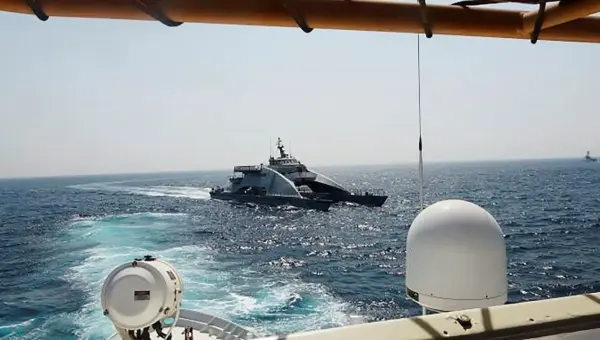
US Seizes Iranian Ship, Igniting China’s Military Aid Fears
The US Navy seized the Iranian cargo ship Touska, raising concerns about potential Chinese military support for Iran. The ship's frequent visits to China and Zhuhai's missile precursor hub are under scrutiny. This incident escalates tensions and awaits investigation results.