Titanic Exhibit Floods Twice: Ghostly Tale or Poor Plumbing?
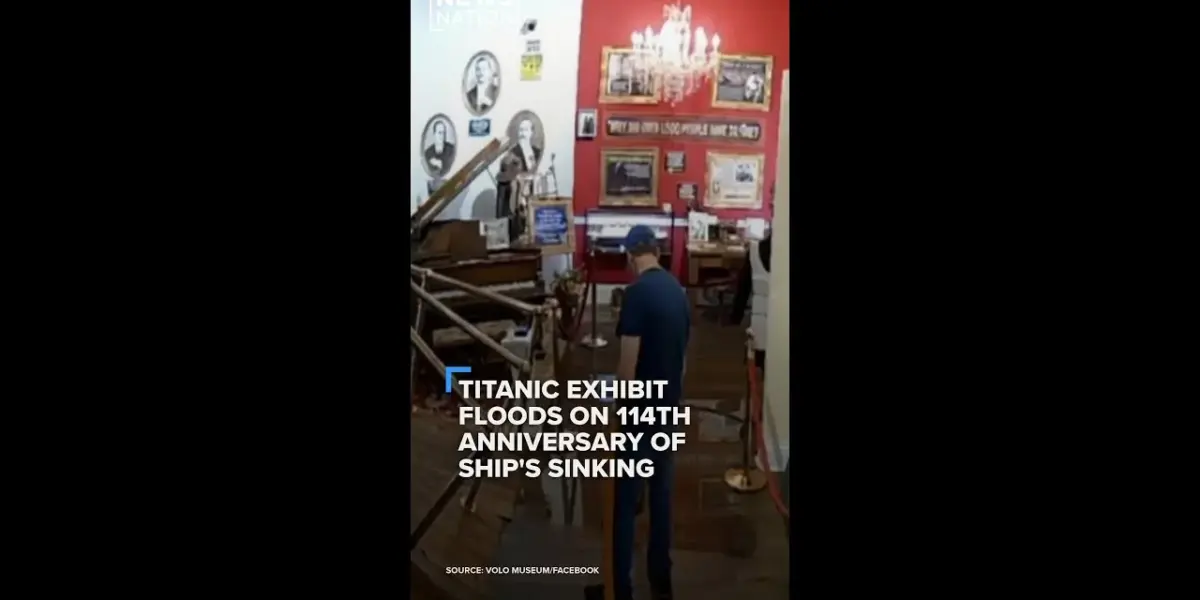
The Titanic exhibit at the Bella Museum in Illinois has flooded for the second time in three years. The unusual event, occurring on the anniversary of the ship's sinking, has sparked theories ranging from paranormal activity to simple plumbing issues.

Titanic Exhibit Floods Twice: Ghostly Tale or Poor Plumbing?
The Titanic exhibit at the L.A. Times Museum in Illinois has faced an unusual problem: it flooded for the second time in just three years.
This wasn’t part of the planned experience, which aims to share in-depth stories of passengers from the ill-fated 1912 voyage. Instead, the water came from severe storms that recently passed through the region, causing unexpected submersion of the historical displays.
The timing of the flooding is particularly striking. The museum reported that the exhibit filled with water on the 114th anniversary of the Titanic’s sinking. Adding to the strange coincidence, the flooding also occurred on the very day the exhibit opened, leaving museum staff bewildered and questioning the cause.
A String of Unfortunate Events
The Bella Museum’s Titanic experience focuses on the personal narratives of those who were on board when the ship sank. It aims to provide a deep dive into their lives and final moments. However, recent events have overshadowed the historical storytelling with an aquatic mystery, prompting speculation about the exhibit’s future and its resilience.
The first flood, which happened three years ago, also caused significant disruption. Now, with a repeat occurrence, questions are arising about the museum’s infrastructure and its ability to protect its valuable exhibits from environmental challenges. Staff are left to ponder the unusual circumstances surrounding these water-related incidents.
Theories Abound: From Paranormal to Practical
In the wake of the second flooding, theories about the cause have begun to surface among visitors and staff. Some have humorously, or perhaps seriously, suggested a paranormal connection, given the exhibit’s subject matter and the uncanny timing of the events. The idea of ghostly intervention adds a layer of mystique to the unfortunate situation.
On the other hand, more practical explanations are also being considered. Many wonder if the family-owned museum might simply need some repairs.
This perspective suggests that a few leaky spots or issues with the building’s drainage system could be the root cause of the repeated flooding. It’s a much less dramatic, but more likely, explanation.
Historical Context: The Enduring Fascination with the Titanic
The Titanic disaster remains one of the most famous maritime tragedies in history. Over a century later, the story continues to captivate public imagination. Exhibits like the one at the Bella Museum tap into this enduring fascination, offering a tangible connection to the past and the lives affected by the sinking.
The ship itself was a marvel of its time, a symbol of luxury and technological advancement. Its maiden voyage ended abruptly when it struck an iceberg in the North Atlantic, leading to the deaths of more than 1,500 people. This dramatic loss of life and the stories of heroism and survival have cemented the Titanic’s place in popular culture.
Why This Matters
The flooding of the Titanic exhibit raises questions about the preservation of historical artifacts and the challenges museums face. It highlights the importance of robust infrastructure and maintenance, especially when dealing with sensitive displays that tell important stories.
The incident is a reminder of how unexpected events can disrupt cultural institutions. The Bella Museum’s situation affects not only the exhibit itself but also the visitors who come seeking historical understanding and connection. Ensuring the longevity of such exhibits requires careful planning and upkeep.
Implications, Trends, and Future Outlook
For the Bella Museum, the immediate concern will be to address the water damage and prevent future occurrences. This likely involves a thorough inspection of the building’s structure, plumbing, and drainage systems. The museum will need to invest in repairs to safeguard the exhibit and its contents.
The incident might also prompt a review of how such exhibits are housed and protected, especially in areas prone to severe weather. Museums often operate with tight budgets, and unexpected repair costs can be a significant burden. This situation could influence how other institutions plan for and mitigate such risks.
Looking ahead, the museum’s ability to reopen the exhibit smoothly will be key. Successful repairs and a clear communication strategy about the incident could help rebuild visitor confidence. The goal will be to shift the focus back to the compelling stories of the Titanic passengers, rather than the persistent water issues.
The Bella Museum is expected to provide an update on the repair status and reopening plans in the coming weeks.
Source: Titanic exhibit at Illinois museum floods for second time | NewsNation (YouTube)

Related Articles


Titanic Life Jacket Sells for $900,000: Echoes of Disaster Resonate
A life jacket from a Titanic survivor sold for over $900,000 at auction. The artifact highlights the enduring public fascination with the 1912 disaster. It serves as a powerful symbol of survival and resilience against overwhelming odds.


Lena’s Fury: Tornado Devastates Illinois Village
A powerful tornado recently devastated the Illinois village of Lena, causing widespread destruction to homes and infrastructure. Officials temporarily shut down the village to manage the emergency response. The event highlights nature's power and the importance of community resilience.


Storms Unleash Fury: Plains and Midwest Brace for Flooding
Severe storms have battered the Plains and Midwest, causing tornado damage and triggering widespread flooding concerns. Communities like Crystal Lake, Illinois, are mobilizing thousands of volunteers to fill sandbags and build defenses against rising rivers. This highlights the growing impact of extreme weather and the need for improved flood control.