China’s Canal Push Threatens US Security, Envoy Warns
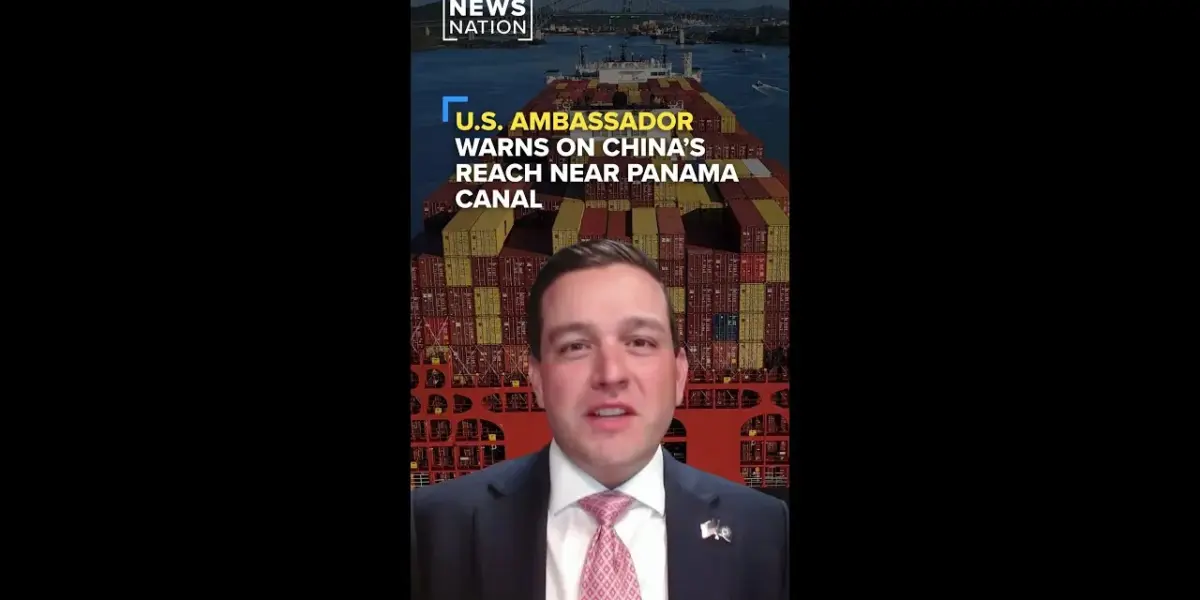
A US ambassador warns that China's growing presence near the Panama Canal poses a significant threat to American national security. Concerns include smuggling, spying, and efforts to gain strategic control, going beyond legitimate trade practices.

China’s Canal Push Threatens US Security, Envoy Warns
The United States sees China’s growing presence near the Panama Canal as a serious threat to American interests. A US ambassador has voiced concerns that China’s influence in this vital waterway is not just about trade. Instead, it involves actions detrimental to national security, including smuggling and spying.
The ambassador explained that China’s activities go beyond legitimate business. They are accused of smuggling dangerous drugs like fentanyl and conducting surveillance on American ships. This expansion of influence is not limited to the canal itself but extends across South America, creating a strategic foothold that worries US officials.
Why the Canal Matters to America
The Panama Canal is incredibly important for the United States. Over 70% of the goods passing through the canal either go to or come from America. A large portion, more than 40%, of the containers carrying goods and services into the US travel through this waterway.
This makes the canal essential for American national security. The US government is actively working to counter China’s increasing influence in the region. The goal is to protect American access and prevent potential disruptions to trade and security.
China’s Business Practices Under Scrutiny
According to the ambassador, China’s business partners are not trustworthy. He stated that China spies on its friends and engages in corrupt practices. This is presented as a stark contrast to how America conducts business, where partnerships are described as legitimate and mutually beneficial.
When America does business, the aim is for everyone to win. However, the ambassador claims that when China does business, it involves spying, corrupting governments, and undermining the rule of law. These actions are seen as unacceptable and harmful to international stability.
Using Visas as a Tool
One effective strategy the US has employed is the use of visa policies. Secretary Ruby has repeatedly stated that a visa is a privilege, not a right. This policy allows the US to revoke visas for individuals working with the Chinese Communist Party in corrupt ways.
These individuals, who are undermining the rule of law, are not welcome in the United States. The US asserts its right to decide who enters the country, especially those whose actions harm international norms. This approach has proven effective because most people want to visit and do business with America.
Historical Context and Future Outlook
The strategic importance of the Panama Canal has been recognized for decades. Its control has been a key factor in regional stability and global trade routes. The US has historically played a significant role in ensuring its security and open access for international commerce.
China’s increasing economic and political reach presents a new challenge to this established order. The ambassador’s warnings highlight a growing concern about the potential for economic coercion and security risks if China gains too much control over critical global infrastructure.
Why This Matters
The potential for China to exert influence over the Panama Canal directly impacts global trade and American economic interests. If China were to control or significantly influence this waterway, it could disrupt supply chains, increase costs for American consumers, and potentially be used as leverage in geopolitical disputes.
The accusation of spying and corrupting governments raises serious questions about international business ethics and the security of nations that partner with China. The US stance suggests a broader effort to draw a line between its own transparent business practices and what it describes as China’s more opaque and potentially harmful methods.
Implications and Trends
This situation reflects a larger trend of China expanding its global economic footprint through initiatives like the Belt and Road. While these projects can bring development, they also raise concerns about debt, sovereignty, and strategic control for participating nations.
The US response, using visa revocations, signifies a proactive approach to countering such influence. It suggests a willingness to use economic and diplomatic tools to protect its interests and promote its vision of open, fair international engagement.
Looking Ahead
The US ambassador’s warning is a clear signal of ongoing geopolitical competition. The battle for influence in critical regions like Central America will likely intensify.
The effectiveness of US policies, like visa restrictions, in deterring China’s strategic moves will be closely watched in the coming months and years.
Source: US ambassador warns on China’s reach near Panama Canal | Katie Pavlich Tonight (YouTube)

Related Articles
Trump Extends Iran Ceasefire, Seeks Unified Dealmakers
President Trump has extended a ceasefire with Iran, a move praised for its strategic approach to negotiations. The decision aims to ensure a unified Iranian delegation is present at the table, following a military blockade of Iranian ports. This pause allows for diplomatic pressure to build towards a lasting resolution.
Trump’s Iran Policy: No Easy Fix, Experts Say
Experts argue that the U.S. approach to Iran assumes solvable problems where none exist, suggesting a need for interim agreements rather than perfect solutions. They emphasize that negotiation, not military action, is key to avoiding worse outcomes. This perspective challenges common assumptions about conflict resolution.

Trump’s Iran Stance: Weakness or Strategy?
Critics argue Donald Trump's approach to foreign policy, particularly regarding Iran, signals weakness due to his business history. This perspective suggests his statements lack authority, potentially emboldening adversaries and damaging America's global standing.