Fed Nominee Faces Heat; Tariffs and FBI Probe Fuel Debate
Kevin Warsh's nomination to the Federal Reserve faces scrutiny over independence, while debates rage over tariff refunds and alleged FBI overreach in Operation Arctic Frost. These issues highlight tensions between political influence and institutional integrity.

Fed Nominee Faces Heat; Tariffs and FBI Probe Fuel Debate
The Federal Reserve, the powerful institution that guides the U.S. economy, is once again at the center of political debate. Kevin Warsh, a nominee chosen by President Trump to lead the Fed, found himself under tough questioning on Capitol Hill. Senators pressed him on whether he could keep the central bank independent from political pressure.
Warsh promised to be “strictly independent” if confirmed. However, the conversation grew heated when asked if that independence would extend to interest rate decisions. This exchange highlighted ongoing tensions about the Fed’s role and its relationship with the White House.
Questions of Independence and Interest Rates
During his confirmation hearing, Warsh faced direct questions about whether President Trump had asked him to lower interest rates. Warsh firmly stated that the President never asked him to commit to such an action, nor would he ever agree to it. This denial was crucial for a nominee seeking to lead an independent body.
Despite Warsh having bipartisan support for confirmation, Republican Senator Thom Tillis is blocking the nomination. Tillis wants a Department of Justice investigation into the current Fed Chair, Jerome Powell, to conclude first. This move suggests that political considerations are playing a significant role in the confirmation process.
Economic Outlook and Fed Policy
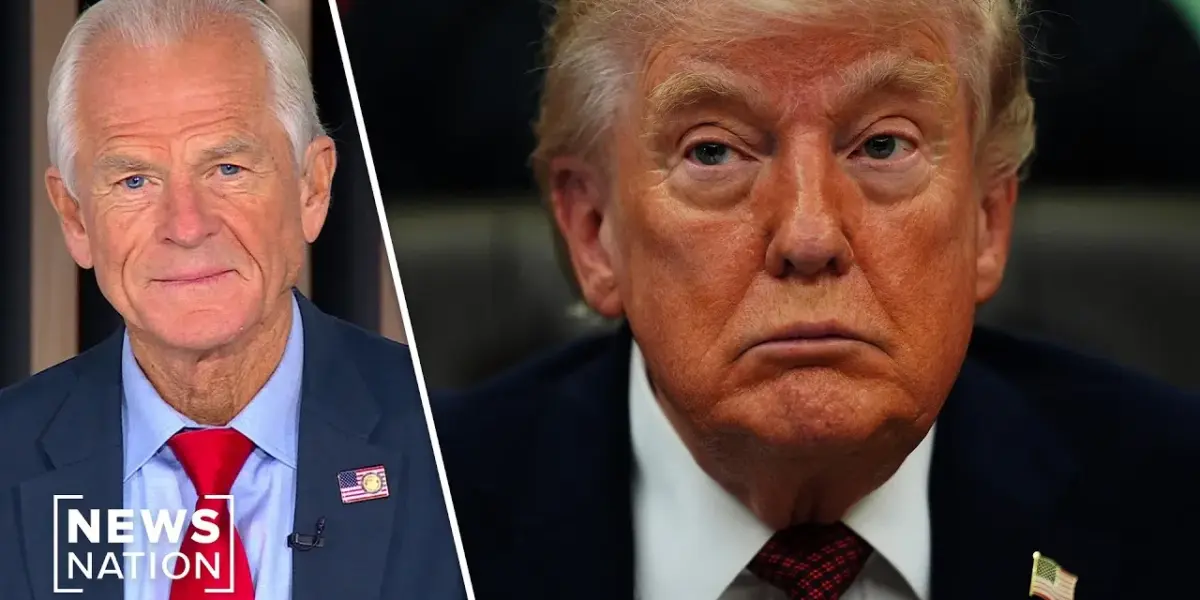
Peter Navarro, a Senior Counselor to the President for Trade and Manufacturing, joined the discussion to offer his perspective. He addressed public concerns about how Fed policy affects everyday costs, like mortgage or car loan interest rates. Navarro suggested that the White House expects interest rates to drop, arguing they should have been lower a long time ago.
Navarro pointed to historical instances where Fed chairs like Paul Volcker and Alan Greenspan lowered rates during oil price shocks. He believes the current situation, where oil prices are affected by war, should not lead to higher interest rates. This view challenges the traditional understanding of how such events impact monetary policy.
Inflation Data and Economic Growth
Navarro also discussed recent inflation data, noting a steady downward trend in the quarter, bringing it close to the Fed’s target. He acknowledged some volatility in wholesale prices but focused on consumer price index (CPI) data. Navarro highlighted a productivity boom driven by investment and deregulation as positive signs for keeping inflation down.
He cited the recent tax cuts and strong retail sales figures as evidence of economic strength. The administration sees these factors as contributing to a healthy economy where people are getting ahead. This optimistic outlook contrasts with concerns about potential economic slowdowns.
Tariff Refunds and the “Tariff Dividend”
The conversation turned to tariff refunds, with reports indicating $166 billion in refunds are available to eligible importers. Navarro explained that while this is on the company side, the administration has also discussed a “tariff dividend” for individuals. This concept suggests that tariffs collected could eventually be returned to the public.
Navarro affirmed that the idea of a tariff dividend is still alive. He explained that even if certain tariffs are challenged, like those previously impacted by Supreme Court decisions, other measures are in place. The money collected from tariffs is seen as protecting American workers and funding the government, with potential for future rebates.
Operation Arctic Frost and Allegations of Government Overreach
A significant portion of the discussion focused on “Operation Arctic Frost,” a 2022 FBI investigation. Republicans on the Senate Judiciary Committee described it as an overreach and weaponization of government power. They allege the FBI used government tools to target political opponents.
The Department of Justice, however, maintains that the investigation involved legitimate steps. Republicans countered by claiming the FBI abused government elements, including wiretaps, against organizations like the Republican National Committee and hundreds of individuals. Senator Eric Schmitt expressed his belief that this situation is going to “break” within weeks, revealing more about what he sees as partisan government actions.
Historical Context and Future Implications
The debate over government overreach echoes past controversies, with some comparing the current situation to Watergate. Allegations involve the use of surveillance and investigative powers against those perceived as political enemies. This raises serious questions about the balance between national security and civil liberties.
Navarro suggested that documents being released by Senator Chuck Grassley will show a handful of people responsible for various operations since 2016, including “Crossfire Hurricane” and the “Russia Hoax.” He believes these revelations will clarify the extent of what he views as government weaponization for partisan purposes.
Why This Matters
The confirmation of Federal Reserve nominees, the use of tariffs, and investigations into government agencies are critical issues. They directly impact the economy, individual finances, and public trust in institutions. The debates highlight the ongoing tension between political objectives and the independent functioning of key government bodies.
Understanding these dynamics is essential for citizens to grasp how economic policies are made and how government power is exercised. The outcomes of these discussions will shape economic stability and the integrity of democratic processes.
Implications and Future Outlook
The Federal Reserve’s decisions on interest rates will continue to influence inflation, job growth, and borrowing costs for consumers and businesses. The administration’s approach to tariffs and trade could affect international relations and the cost of imported goods.
The ongoing scrutiny of FBI investigations and alleged government overreach could lead to reforms or increased oversight. The public will be watching closely as more information emerges regarding Operation Arctic Frost and similar past investigations.
Historical Background
The Federal Reserve was established in 1913 to provide a more stable and flexible monetary system for the United States. Its independence from direct political control is considered crucial for making sound economic decisions free from short-term political pressures.
Trade policies, including the use of tariffs, have a long history in the U.S. Tariffs have been used to protect domestic industries, raise revenue, and as a tool in international negotiations. However, they can also lead to higher prices for consumers and retaliatory measures from other countries.
Looking Ahead
The confirmation process for Kevin Warsh, or any Fed nominee, will likely continue to be closely watched. Senator Tillis’s demand for a DOJ investigation’s conclusion suggests that political hurdles remain significant.
As more documents related to Operation Arctic Frost are expected to be released in the coming weeks, the public will gain further insight into the allegations of government weaponization. These developments will be crucial in shaping the narrative around these investigations.
Source: Peter Navarro talks Fed chair, tariff refunds and operation Arctic Frost | The Hill (YouTube)

Related Articles
Trump’s Tariff Plan Faces New Criticism for Harming Consumers
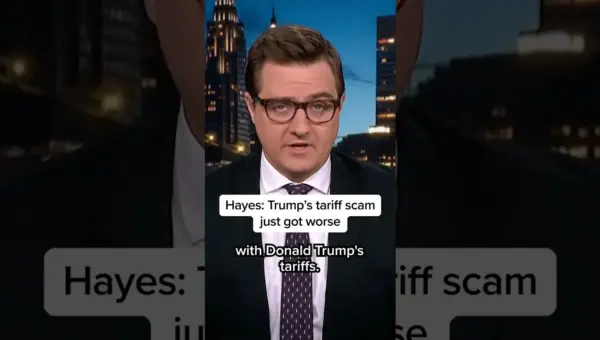
Chris Hayes argues that former President Trump's proposed tariffs are a "scam" that will ultimately harm American consumers. By increasing the cost of imported goods, these tariffs could lead to higher prices on everyday items, straining household budgets. The policy's benefits to domestic industries may not offset the increased expenses faced by the public.
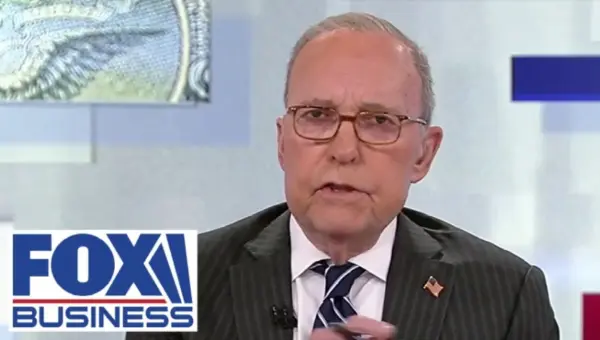
Fed Nominee Warsh Promises Policy Overhaul
Federal Reserve nominee Kevin Warsh signaled a desire for a less interventionist central bank during his Senate testimony. He advocated for reducing the Fed's balance sheet and focusing on core monetary policy, suggesting a potential shift in economic strategy. Warsh aims to bring a "fresh air" approach to the Federal Reserve.
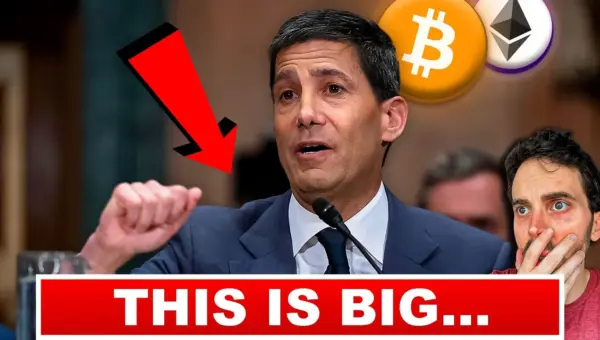
Fed Nominee Rejects CBDC; Military Calls Bitcoin Strategic
Potential Fed Chair Kevin Worsh rejected the concept of a U.S. central bank digital currency, while military officials testified to Bitcoin's national security value. Meanwhile, Arbitrum froze $71 million in Ethereum following a DeFi exploit, sparking decentralization debates.