NATO’s Strength: Stoltenberg Defends Alliance Vitality
Jens Stoltenberg, former NATO Secretary General, defended the vital role of the transatlantic alliance, arguing it makes both Europe and the U.S. safer. He highlighted NATO's combined economic and military strength and noted increasing European defense contributions. Stoltenberg also emphasized the alliance's crucial role in homeland defense and protecting critical infrastructure.

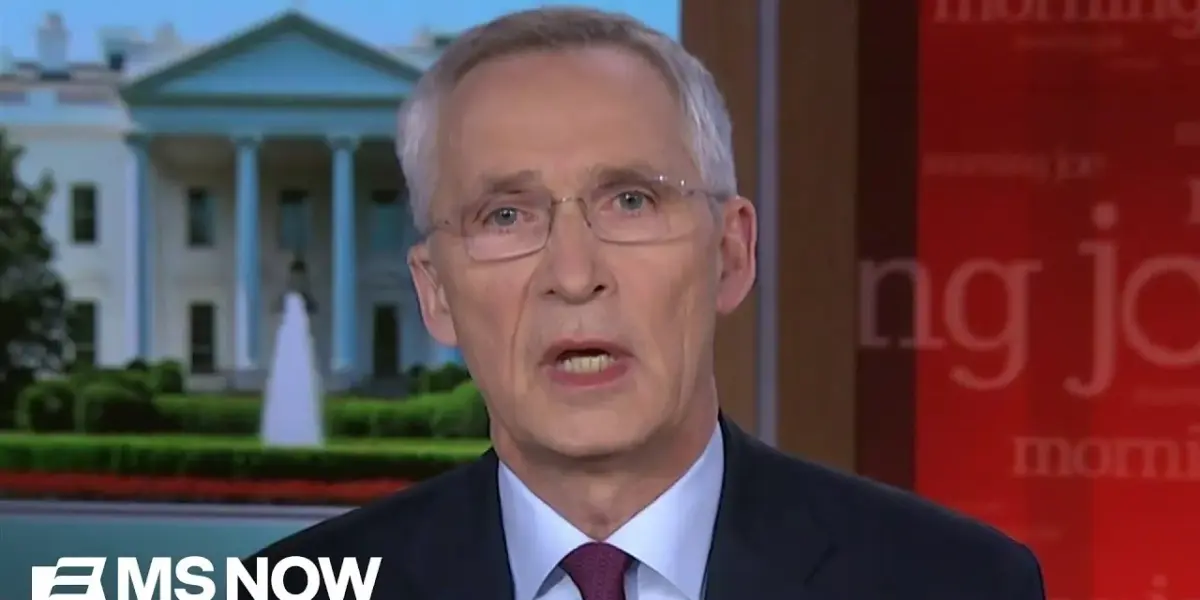
Stoltenberg Champions Transatlantic Bond Amidst Doubts
Jens Stoltenberg, Norway’s Minister of Finance and former NATO Secretary General, recently addressed concerns about the strength and future of the alliance between North America and Europe. Speaking in Washington D.C. during the Spring Meetings of the World Bank and the International Monetary Fund, Stoltenberg emphasized that the transatlantic alliance is crucial for the security of both Europe and the United States. He acknowledged that while challenges exist, the collective power of NATO allies far outweighs that of potential adversaries like Russia and China.
Alliance Power: Economic and Military Might Combined
Stoltenberg highlighted the significant economic and military advantages of NATO. “Russia, China, they don’t have anything like the U.S. has in NATO more than 30 friends and allies,” he stated. He pointed out that while the U.S. represents 25% of the global economy, NATO allies together account for 50% of the world’s economy and military strength. This collective power, he argued, serves the national security interests of the United States, ensuring its safety and influence on the global stage.
Addressing Criticism and Reinforcing Commitment
The former NATO chief directly addressed criticisms, including those voiced by former President Trump, who had questioned NATO’s value to the U.S. Stoltenberg reminded listeners that NATO’s Article 5, the collective defense clause, was invoked for the first time in history to support the United States after the September 11th attacks. He noted that NATO soldiers served and died in Middle Eastern conflicts to aid American security. “Language and perception matters,” Stoltenberg cautioned, stressing the importance of communicating in ways that support, rather than undermine, the alliance’s credibility.
“The purpose of NATO is it’s to prevent the war, to make it absolutely clear in Moscow, in any other capital of a potential hostile nation, that if you attack one that will be an attack on all allies and by doing that there will be no attack because we are by far the strongest military force in the world.”
Europe’s Growing Defense Contributions
Stoltenberg addressed concerns that the alliance might be weakening, noting that European nations are increasing their defense spending and readiness. He pointed out that several Baltic countries and Norway now spend a larger percentage of their GDP on defense than the United States. This trend, he explained, is exactly what NATO has encouraged. “Europeans are now investing much more and also they have more troops, higher readiness, more modern capabilities,” he said. He also mentioned that much of this spending benefits American industry, as many European allies purchase military equipment from the U.S., thus supporting American jobs.
Geographic Realities and Homeland Defense
The Norwegian minister also emphasized the geographic advantages of the alliance for U.S. security, using Norway as an example. He explained that while Russia’s nuclear missiles are not aimed at Norway, they are directed at major U.S. cities. Norway’s role in tracking Russian submarines and monitoring missile activities provides crucial intelligence for U.S. homeland defense. “It’s not only about resources, but also about geography that actually helps to make the U.S. safer by having a strong NATO,” Stoltenberg asserted.
Undersea Infrastructure and Future Security
Recent events have also highlighted new threats to critical infrastructure. Stoltenberg mentioned reports of Russian vessels designed to target undersea cables, which are vital for global communication and economic stability. Protecting this infrastructure is another area where NATO’s collective security efforts are essential. “This is also about protecting the U.S. to protect that critical undersea infrastructure,” he stated, underscoring the ongoing need for vigilance and cooperation.
Economic Resilience Amidst Global Uncertainty
When asked about the U.S. economy’s resilience despite global uncertainties like war and high energy prices, Stoltenberg expressed caution. He noted a paradox between the widespread uncertainty described in recent IMF outlooks, including the potential for sustained high energy prices, increased inflation, and reduced growth, and the performance of the markets. “As politicians, what we should do is that we need to keep order in our own economies. That’s the best way to be prepared for more uncertainty out there in the global economy,” he advised.
Looking Ahead: A Stronger, United Alliance
Stoltenberg concluded by reiterating his firm belief in the enduring strength and necessity of the NATO alliance. He stressed that by standing together, allies preserve peace and enhance their collective security. The focus moving forward will likely be on continued cooperation, increased defense investments by all members, and clear communication to deter potential adversaries and reassure allies, ensuring the alliance remains a cornerstone of global stability.
Source: Jens Stoltenberg: Alliance between North America and Europe makes both safer (YouTube)

Related Articles
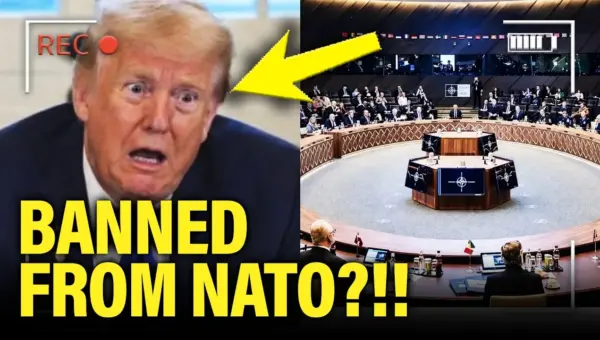
Europe Builds Its Own NATO as Trump Threatens to Exit
As Donald Trump continues to threaten U.S. withdrawal from NATO, European nations are secretly planning their own defense alliance. This move reflects a growing desire for autonomy and a strategic pivot away from U.S. leadership. Meanwhile, Ukraine's military advancements and Saudi Arabia's reassessment of global ties further illustrate this changing international landscape.

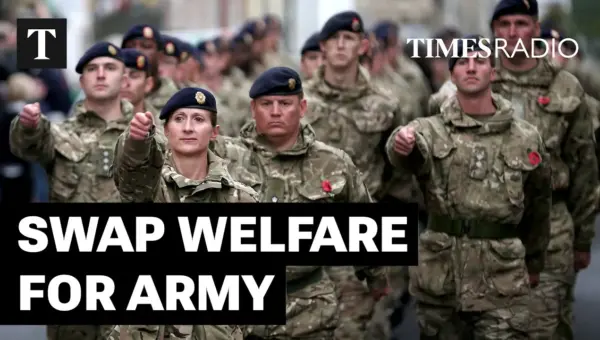
Ex-General: Push Unemployed Youth Into Military Service
Retired Major General Tim Cross warns of a serious defense funding crisis in Britain, blaming "corrosive complacency." He proposes enlisting unemployed youth into the military as an alternative to welfare, arguing the nation must prepare for a dangerous world.

Britain Faces Peril: Ex-NATO Chief Warns of Defense Crisis
Former NATO chief Lord Robertson has issued a stark warning that Britain's national security is in peril due to underfunding and overspending on welfare. The discussion highlights the nation's unpreparedness for global threats and questions the effectiveness of potential solutions like national service. This intervention forces a crucial reckoning on defense priorities and future readiness.