Europe Builds Its Own NATO as Trump Threatens to Exit
As Donald Trump continues to threaten U.S. withdrawal from NATO, European nations are secretly planning their own defense alliance. This move reflects a growing desire for autonomy and a strategic pivot away from U.S. leadership. Meanwhile, Ukraine's military advancements and Saudi Arabia's reassessment of global ties further illustrate this changing international landscape.

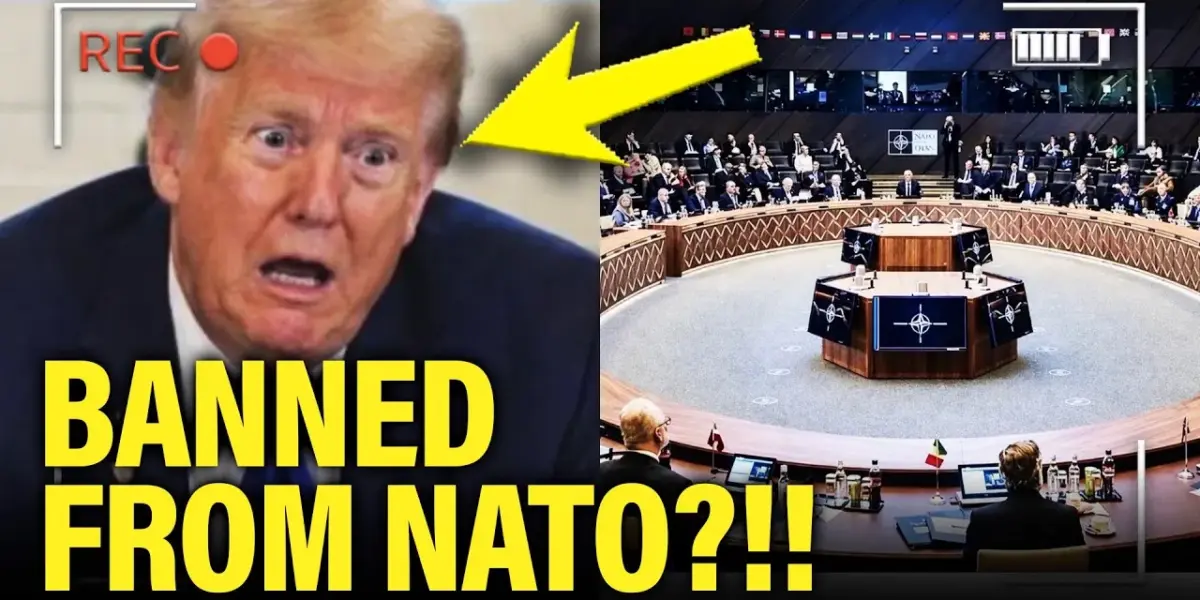
Europe Charts New Defense Path Amidst Trump’s NATO Threats
World leaders are reportedly discussing major changes to the global order, particularly in Europe. These discussions are happening in secret and focus on a potential U.S. withdrawal from NATO. Donald Trump has frequently suggested he might pull the United States out of the alliance. In response, European nations are exploring the idea of forming their own defense pact, sometimes referred to as “European NATO.” This plan aims to create a strong defense against Russia, especially if the U.S. leaves the alliance or, as some fear, aligns with countries like Russia, North Korea, and China.
Countries like Germany, the UK, France, and Nordic nations are involved in these talks. Canada, Australia, and other current NATO members are also participating in these strategic discussions. The seriousness of these plans was highlighted when Finland’s President Alexander Stubb reportedly told Donald Trump directly that Europe would take defense into its own hands. He conveyed that even if threats to NATO continue, things would not proceed as usual.
A Shift Away from U.S. Leadership
Donald Trump has been vocal about his criticisms of NATO, recently posting that the alliance has not supported the U.S. and won’t in the future. This stance has prompted a significant reaction from European allies. They are actively working on a non-U.S. version of NATO, designed to deter Russian aggression. This initiative is gaining momentum, with Germany reportedly giving its approval. Germany, which historically favored a collaborative approach, now seems committed to this independent European defense strategy.
The idea is to use NATO’s existing military structures but without U.S. involvement. This represents a significant shift, suggesting that European nations are preparing to stand on their own defense feet. The goal is to ensure security and stability in the region, regardless of the U.S. stance. This move comes as global powers like China are increasingly seen as influential actors in international affairs. Leaders from Spain and the UAE have recently met with China’s President Xi Jinping, indicating a broader realignment of global relationships.
Ukraine’s Growing Role in Security
Ukraine, despite its ongoing conflict, is emerging as a key player in developing new security alliances and military technology. President Zelensky has been actively engaging with European and Arab nations. He recently met with Germany’s Chancellor Olaf Scholz to establish a strategic security alliance. Germany has elevated its relationship with Ukraine to that of a strategic alliance partner, signifying a deepening bond.
This partnership is seen as a payoff for earlier investments in Ukraine’s defense. The report suggests that U.S. and European aid has helped Ukraine develop advanced drone warfare capabilities, including drone interceptors, first-person view drones, and jamming technology. These technologies are now being shared with Arab nations and other European countries. This development stands in contrast to Donald Trump’s perceived disinterest in energy innovation and his focus on traditional industries like coal.
Saudi Arabia Reassesses Alliances
The shifting global landscape is also evident in the Middle East. Saudi Arabia appears to be re-evaluating its foreign policy. A top Saudi leader recently stated that the Kingdom formulates its policies based solely on its own national interests. The statement emphasized openness to dialogue with partners in both the West and the East, including China. This represents a notable pivot away from the long-standing U.S. security umbrella that Saudi Arabia once relied upon.
The leader expressed a commitment to pursuing national interests wherever they are found, whether in the West or the East. This strategic reorientation suggests a growing desire for autonomy and a willingness to diversify international partnerships to best serve Saudi Arabia’s goals. The focus is on building relationships that offer mutual benefits, not exclusive ties.
Hungary’s New Stance and Trump’s Psychology
Hungary’s new Prime Minister, Péter Magyar, has also indicated a change in diplomatic approach. He stated that Hungary will not proactively reach out to Donald Trump first. However, he would be open to taking his call and behaving professionally if Trump initiated contact. This measured approach contrasts with the often more direct and sometimes confrontational style associated with Trump.
The analysis suggests that standing up to Donald Trump and avoiding sycophancy is the effective way to interact with him. This approach is seen as necessary because of Trump’s perceived psychology, which includes a focus on personal appearance and perceived strength in leaders. The report notes Trump’s comments on Hungary’s new prime minister, suggesting Trump found him attractive and strong, echoing a pattern of how Trump reportedly forms opinions.
Potential Future Actions and Global Concerns
Beyond NATO, there are concerns about Donald Trump’s potential future actions. Reports suggest quiet directives to U.S. military and government officials to prepare for possible military operations against Cuba. This is presented as part of Trump’s thinking about future foreign policy actions. His past statements about Cuba, calling it a poorly run country and oppressive, suggest a potential focus on this nation after other international issues are addressed.
The ongoing discussions about a potential U.S. withdrawal from NATO and the concurrent rise of alternative defense structures highlight a significant moment in international relations. The world is watching as alliances are tested and new partnerships are forged. The focus on national interests, diversified relationships, and independent defense capabilities signifies a complex and evolving global order.
Source: FURIOUS World Leaders PREPARE to OUST Trump FROM NATO!!!! (YouTube)

Related Articles


Trump Supporters Upset by ‘AI Jesus’ Post, Iran War
Young conservative attendees at a Turning Point USA event in Georgia voiced strong disapproval over Donald Trump's AI-generated 'Jesus' post, with many finding it offensive. They also expressed frustration regarding the ongoing war in Iran and its economic impact, questioning campaign promises of non-intervention.
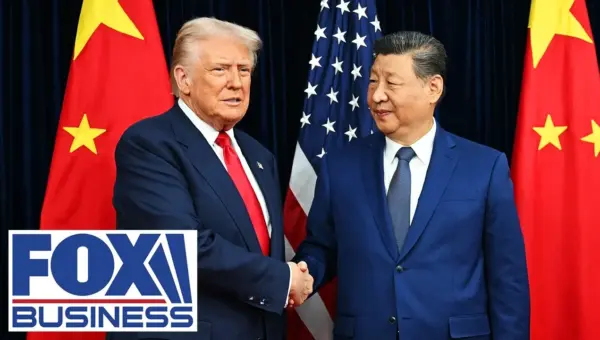
Trump Claims Xi Letter Acknowledged Halt to Weapon Sales
Former President Donald Trump revealed that Chinese President Xi Jinping sent him a letter acknowledging a halt to weapon sales. Trump also discussed his tough trade policies against China, including significant tariffs on cars and other goods. These trade actions and ongoing geopolitical tensions can create market uncertainty for investors.


Vance Criticizes Pope on Theology, Trump Weighs In
Vice President J.D. Vance drew sharp criticism for questioning the Pope's theological pronouncements, with critics calling his stance arrogant. Former President Donald Trump also weighed in, criticizing the Pope's comments on Iran. The exchanges highlight tensions between political figures and religious leaders.