Oil Surges Past $115 as Iran Conflict Hits Energy Hubs
Oil prices have surged past $115 per barrel as direct attacks on critical energy infrastructure in the Middle East escalate. European gas prices have nearly tripled, impacting electricity costs and global inflation. This spreading conflict threatens economic growth as central banks face pressure to raise interest rates.


Global Energy Crisis Looms as Iran Conflict Escalates
The global energy market is facing severe turmoil after direct attacks on critical infrastructure in the past 48 hours. The conflict, which has now spread beyond its initial borders, is impacting vital energy production and transport routes. This escalation has sent oil prices soaring and threatens to push inflation higher worldwide.
Israel launched strikes on Iran’s Southpars gas field, a facility holding the title of the world’s largest natural gas field. These attacks disrupted a significant portion of its production. The immediate aftermath saw Iran retaliate with strikes across the region.
These included attacks on Qatar’s Razafan LNG facility, a crucial hub for exporting gas. Reports also link strikes to infrastructure in Saudi Arabia.
The conflict’s reach is now undeniable. Nations like the United Arab Emirates and Kuwait are taking defensive measures to protect their key energy sites. This widening impact means the issue is no longer contained.
It is actively spreading throughout the global energy system. Simultaneously, the Strait of Hormuz, a vital shipping lane, remains under severe disruption.
Ships are finding it difficult to navigate the waterway. GPS signals are also being jammed, leading to delays for oil tankers.
The combined effect is a significant hit to supply from multiple angles. Production facilities are damaged, key infrastructure is targeted, and transport routes are hindered. This three-pronged attack on energy supply has triggered a sharp market reaction.
Oil prices have jumped to approximately $115 per barrel. European natural gas prices saw a dramatic 35% increase in a single day. They have nearly tripled since the start of 2026, marking a significant surge.
The impact of these rising gas prices is far-reaching. Natural gas is a primary source for electricity generation across Europe. Therefore, higher gas costs directly influence the price of nearly all goods and services.
This ripple effect contributes to broader inflationary pressures. Governments around the world are now scrambling to address the growing crisis.
In response to supply pressures, the United States has invoked a century-old shipping law. This measure aims to alleviate some of the strain on energy supplies. However, central banks face a serious dilemma.
The year 2026 was anticipated to be a period of interest rate cuts. This outlook now appears increasingly unlikely due to the escalating energy costs and inflation fears.
Evidence of this shift is already visible. Australia recently implemented an interest rate hike. If the current trend of rising energy prices and inflation continues, other central banks may be forced to raise rates again.
This potential scenario is particularly concerning as global economies are showing signs of slowing down. Raising interest rates during a slowdown can further weaken economic growth.
Market Impact
The current situation presents a challenging outlook for investors and the global economy. The direct attacks on energy infrastructure and transport disruptions have created a potent mix for market volatility.
The surge in oil and gas prices is a clear indicator of supply fears. This is likely to translate into higher costs for consumers and businesses alike.
If the conflict intensifies or the disruptions persist, the world could face a period of stagflation. This is a difficult economic condition where inflation is high, but economic growth is weak.
Such a scenario would make it harder for central banks to manage the economy. They would be caught between controlling inflation and stimulating growth.
The immediate future suggests continued market volatility. Investors will be closely watching developments in the Middle East. They will also be monitoring the responses from governments and central banks.
The speed at which this situation is evolving highlights the delicate balance of the global energy market. The ongoing disruptions are a clear reminder of the geopolitical risks inherent in energy supply chains.
The next key development to watch will be any further escalations in the conflict or new measures announced by governments to stabilize energy markets. The situation remains fluid, with significant implications for inflation and economic growth throughout 2026 and beyond.
Source: Out of Control (YouTube)

Related Articles


Bitcoin Plunges Amid Geopolitical Fears, Oil Surges
Bitcoin and major stock indices are experiencing sharp declines amid escalating geopolitical tensions and concerns over rising inflation. While the energy sector is surging, cryptocurrencies are showing significant weakness, with analysts warning of potential further downside for Bitcoin. Market participants are closely watching global events and central bank policy for direction.
Oil Prices Spike After Attacks on Energy Sites
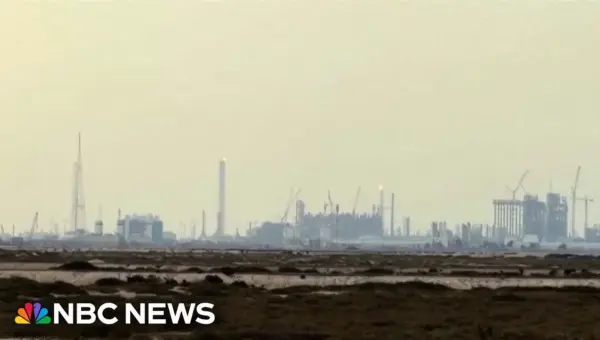
Oil prices surged this week following a wave of U.S. airstrikes in Iran and attacks on energy sites in Qatar. Vice President Vance called the price increases a 'temporary blip,' while intelligence briefings revealed disagreements over the immediacy of the threat from Iran. Military actions targeted missile facilities along the Strait of Hormuz.

Iran’s Military Hit Hard, Analysts Debate Threat Level
Devastating strikes have crippled Iran's missile production and stockpiles, but a debate continues over the country's immediate threat level. Israel is intensifying targeted operations against Iranian leaders, while economic warfare targeting oil exports, like at Kharg Island, is being considered.