Israel Plans Buffer Zone Deep Into Lebanon
Israel is planning to create a buffer zone extending to the Litani River in southern Lebanon following recent strikes. This move aims to enhance security but raises concerns about regional stability and potential conflict escalation.

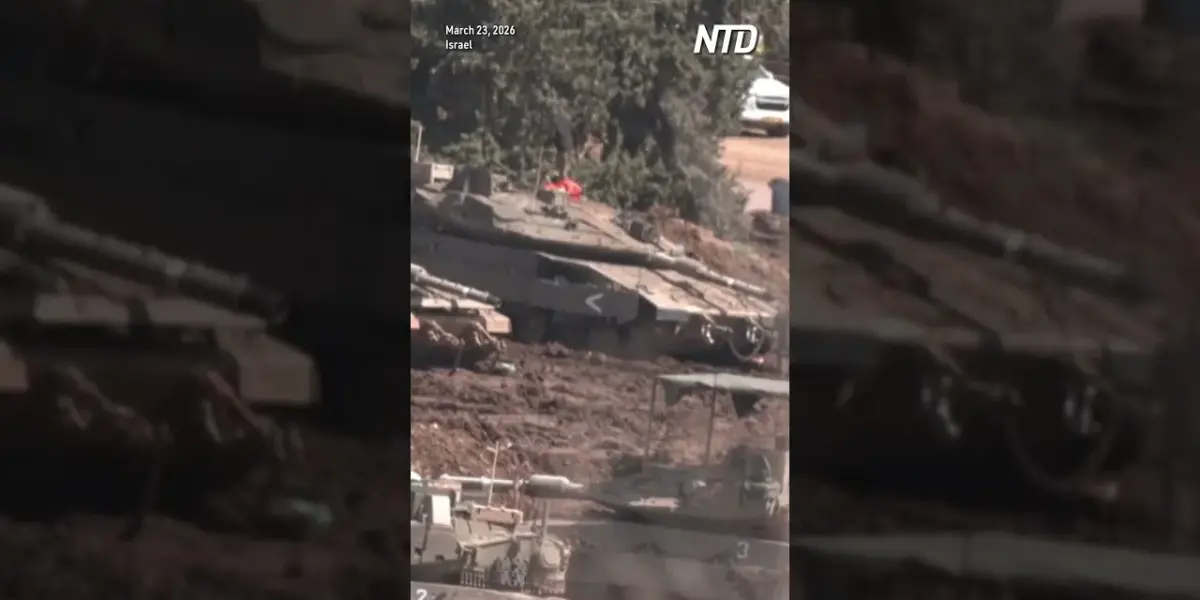
Israel Plans Buffer Zone Deep Into Lebanon
On March 24, smoke billowed over southern Lebanon after Israeli forces carried out strikes. These actions are part of a larger plan by Israel to establish a buffer zone extending up to the Litani River. This move signals a significant escalation in the ongoing tensions along the border.
The Israeli strikes targeted areas in southern Lebanon, a region that has seen increased cross-border activity. Reports indicate that the strikes were aimed at creating a security buffer. This buffer zone is intended to push back potential threats from the Lebanese side of the border.
Background to the Conflict
Tensions between Israel and Lebanon have been high for decades, often flaring up due to the presence of militant groups like Hezbollah. These groups are known to operate in southern Lebanon and have engaged in rocket attacks and other hostilities towards Israel. Israel views these actions as a direct threat to its security.
The Litani River is a major river in southern Lebanon, considered a strategic geographical marker. Establishing a buffer zone that reaches this river would mean a substantial territorial advance into Lebanese land. This has raised concerns about the potential for a wider conflict and its impact on civilians in the region.
International Concerns and Regional Impact
The international community is watching these developments closely. A buffer zone of this nature could lead to further instability in an already volatile region. Neighboring countries and global powers are expressing worries about the humanitarian consequences and the risk of a broader war.
The Litani River line has historically been a point of concern for Israel. Previous conflicts have highlighted the need for Israel to secure its northern borders. The current plan to create a buffer zone reflects a strategic decision to enhance this security, but it comes with significant geopolitical risks.
Why This Matters
This planned buffer zone is more than just a border adjustment; it represents a potential long-term shift in the security dynamics between Israel and Lebanon. If implemented, it could permanently alter the landscape of southern Lebanon and increase the chances of prolonged conflict. The move also tests international boundaries and agreements, potentially setting new precedents for border security in conflict zones.
The actions taken by Israel are a direct response to perceived security threats from groups operating in Lebanon. However, the scale of the proposed buffer zone raises questions about proportionality and the potential for unintended consequences. It is a delicate balancing act between national security interests and regional stability.
Future Outlook
The creation of a buffer zone up to the Litani River is a serious undertaking with far-reaching implications. It could lead to increased military presence, displacement of local populations, and further entrenchment of militant groups. The international response will be critical in shaping the outcome of this situation.
As of March 24, smoke was seen rising over southern Lebanon, a visual reminder of the ongoing conflict. The coming weeks and months will be crucial in determining whether this buffer zone plan moves forward and what its ultimate impact will be on the region’s future. The situation remains fluid, with potential for further escalation or de-escalation depending on diplomatic and military developments.
Source: Israeli Strikes Target Southern Lebanon (YouTube)

Related Articles

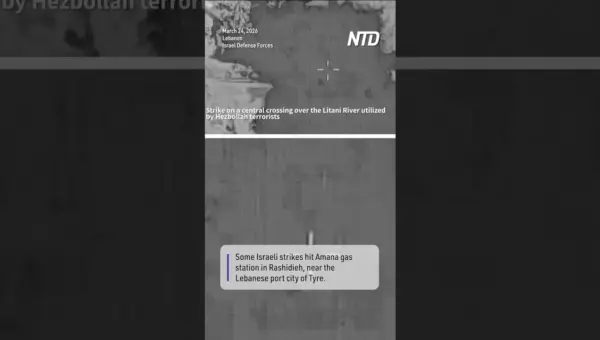
Israel Strikes Hezbollah: Escalation Looms in Lebanon
Israel's military released video of strikes targeting suspected Hezbollah sites in Lebanon, continuing a pattern of cross-border conflict. These actions are linked to the Gaza war and raise concerns about wider regional instability.


Iran Missiles Strike Near Nuclear Site; Gas Prices Stay High
Iran launched missiles near Israel's main nuclear research center, injuring dozens and damaging buildings, marking a dangerous escalation in the four-week conflict. Meanwhile, U.S. gas prices are expected to stay high due to supply chain disruptions. The Senate is also debating the SAVE America Act, which would require proof of citizenship for voter registration.


Middle East Nuclear Sites Hit Amid Iran Conflict
Nuclear sites in the Middle East have become targets amid escalating conflict between Iran and Israel. Iran struck an Israeli nuclear facility in retaliation for an earlier air strike, prompting UN calls for restraint due to accident risks. The conflict also impacts US forces and has displaced over a million people in Lebanon.