Israel Plans Lebanon Border Zone: A New Strategy
Israel plans to create a buffer zone in southern Lebanon by demolishing villages near the border. This move aims to remove threats from Hezbollah and establish a prolonged military presence. The strategy draws parallels to operations in Gaza and raises significant humanitarian and regional stability concerns.

Israel Plans Lebanon Border Zone: A New Strategy
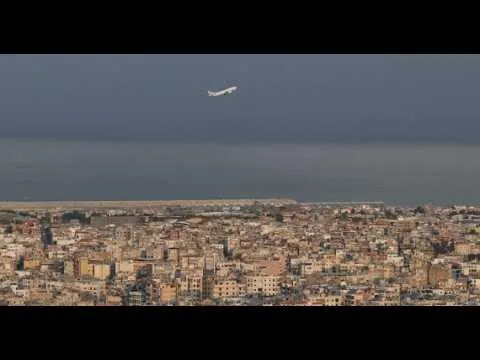
Israel is taking significant steps in southern Lebanon, planning to create a buffer zone along its northern border. Defense Minister Israel Katz announced that troops will remain in a seized area. All homes in villages close to the border will be torn down, similar to actions taken in Rafah and Beit Hanoun in Gaza.
This move aims to remove threats to Israeli residents living near the border once and for all. Israel is working to push Hezbollah fighters out of southern Lebanon. Hezbollah has been launching rockets and drones into Israel from across the border.
Israeli officials are suggesting that this military operation in Lebanon might become a long-term commitment. The stated goal is to control the entire region south of the Litani River, which is about 20 miles north of the border. This area is roughly the size of a large city’s suburbs, extending deep into Lebanese territory.
Lebanese residents who were forced to leave their homes will not be allowed to return until Israel deems its northern border secure. The Defense Minister stated that over 600,000 people living south of the Litani River have already been moved further north. This mass displacement highlights the scale of the operation and its impact on the local population.
Why This Matters
This planned buffer zone represents a significant escalation and a strategic shift for Israel. It signals a potential for a prolonged military presence in Lebanon, moving beyond immediate defensive actions to a more territorial control strategy. The comparison to Gaza operations suggests a desire for a more permanent security solution, but one that carries immense humanitarian and political implications.
Historical Context and Background
The border between Israel and Lebanon has a long history of conflict. Hezbollah, a powerful Shiite political party and militant group, has been a major adversary for Israel for decades. The current tensions are part of a larger regional conflict, with Hezbollah often acting as a proxy for Iran.
Past Israeli military operations in Lebanon, such as the 2006 war, aimed to push Hezbollah back from the border. However, these efforts have not led to lasting peace or security. The establishment of a buffer zone is a new approach, attempting to create a physical separation that past military actions failed to achieve.
Implications, Trends, and Future Outlook
The creation of a buffer zone could lead to increased instability in the region. It raises concerns about civilian casualties and the long-term humanitarian cost for displaced Lebanese. The strategy also risks drawing Israel into a prolonged conflict, potentially draining resources and international support.
This development fits into a broader trend of escalating tensions across the Middle East. As regional powers and their allies engage in proxy conflicts, the potential for wider wars grows. Israel’s actions in Lebanon could further complicate diplomatic efforts to resolve the ongoing Israeli-Palestinian conflict.
The future outlook remains uncertain. The success of this buffer zone strategy depends on many factors, including Hezbollah’s response and the international community’s reaction. If Israel maintains a long-term presence, it could face ongoing resistance and international criticism.
The decision to demolish homes suggests a policy aimed at preventing any return of Hezbollah presence, much like the rationale behind similar actions in Gaza. This approach, however, often leads to significant humanitarian crises and further entrenches animosity.
Israel’s northern border residents have lived under the threat of attacks for years. They are looking for a lasting solution that ensures their safety. The hope is that this new strategy will provide that security, but the path forward is fraught with challenges.
The Defense Minister’s statement indicates a firm resolve to see this plan through. The focus remains on securing the northern border and removing perceived threats. However, the human cost for the Lebanese population cannot be ignored.
This situation will likely continue to be a major focus of international attention. Diplomatic efforts to de-escalate the situation will be crucial in the coming weeks and months.
Source: Israel to Establish Buffer Zone in South Lebanon (YouTube)

Related Articles


Israel Death Penalty Law Sparks Protests, Raises Rights Concerns
Palestinians in the occupied West Bank are protesting a new Israeli law that makes the death penalty the default punishment for deadly terror attacks, while exempting Israeli settlers. The legislation, passed by the Knesset, faces criticism for discrimination and judicial overreach. A small group of Israelis also protested, calling the law a threat to democracy.


Germany Warns Israel: Death Penalty Law Violates Human Rights
Germany has strongly condemned Israel's new death penalty law, stating it violates human rights and the rule of law. The law, which appears to apply only to Palestinians killing Israelis, is seen as discriminatory. Germany, alongside allies like France and the UK, is urging Israel to reconsider this policy.

Lebanon as Iran’s Proxy? Lebanon Speaks Out
A Lebanese voice is questioning if Lebanon is being used as a pawn in a larger conflict between Iran and Israel, challenging external narratives. The speaker describes the Iranian state as a violent "criminal enterprise" responsible for killing its own citizens, refuting claims that equate Iran's actions with those of the U.S. and Israel.