Mass Protests Signal Deep Discontent With Trump Administration
Millions of Americans have taken to the streets, signaling deep discontent with the Trump administration. This widespread public outcry, coupled with a surge in legal challenges and shifts in special election results, indicates a strong demand for change. A key legal battle over birthright citizenship at the Supreme Court is also set to define American identity.


Millions Take to Streets, Demanding Change
In a powerful display of public sentiment, tens of millions of Americans recently took to the streets. This massive mobilization wasn’t about returning to a past ideal, but about reclaiming the core values of the nation. People across the country decided it was in their best interest, and in line with their morals, to voice their concerns publicly.
These citizens acted despite facing potential pushback from an administration that could deploy federal forces. An estimated 9 to 10 million people participated in these events, including the third “No Kings March.” Their unified message was clear: the Trump administration’s time is over. This movement is seen not as a symptom of political obsession, but as a genuine expression of the people’s will.
Special Elections Show Shifting Political Tides
The impact of this public outcry is being felt in electoral outcomes. Special elections have shown a significant shift, even in traditionally conservative areas.
For example, a deeply Republican part of West Tampa, Florida, elected a Democrat to its state senate. This area has not voted for a Democrat in decades.
Even in areas closely associated with President Trump, his preferred candidates are facing defeat. In Palm Beach, a candidate backed by Trump lost in a district he had heavily supported.
This marks a trend of 31 consecutive wins for Democrats flipping previously Republican seats. These victories often occur in districts that haven’t supported Democrats for 20 or 30 years.
Legal Battles Mount Against the Administration
Beyond public protests and election results, the Trump administration is facing a historic number of legal challenges. Organizations like Democracy Forward, the ACLU, and various attorneys general have filed thousands of lawsuits. These cases range from challenges to executive actions to individual petitions for due process.
The sheer volume of these legal actions is staggering, with estimates suggesting thousands of cases filed against the administration. This constant legal scrutiny indicates a significant level of opposition and a widespread effort to hold the administration accountable through the courts. It highlights a deep division and a strong pushback against the administration’s policies and actions.
Birthright Citizenship: A Defining Legal Battle
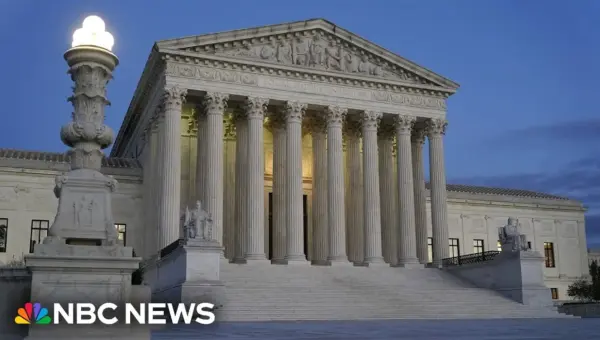
A critical legal fight is unfolding at the United States Supreme Court concerning birthright citizenship. This case questions fundamental aspects of American identity: who is an American, and what does it mean to be a citizen? The court’s decision could redefine the very meaning of citizenship in the United States.
The core of the argument challenges the 14th Amendment’s guarantee of citizenship to all born in the U.S. President Trump’s administration has sought to limit this principle, leading to concerns that it echoes discriminatory practices from the past. The outcome of this case is considered vital for the future of American democracy and its inclusive principles.
The Impact of Public Support on Legal Efforts
Legal experts suggest that public engagement and protests provide crucial support for ongoing legal battles. The energy generated by citizens taking to the streets offers momentum and encouragement to lawyers working tirelessly on these cases. It assures legal teams that they are not fighting in isolation but defending principles valued by the public.
This public backing is seen as essential fuel for the legal system. It demonstrates to judges and attorneys that the rule of law is actively defended by the populace. This collective action helps maintain resolve and commitment in the face of an administration that often challenges established norms and legal precedents.
Economic Concerns and Shifting Policy Positions
The administration’s approach to foreign policy and economic issues has also drawn significant criticism. The “America First” slogan is viewed by some as a predatory tactic used to gain votes, rather than a genuine commitment to national interests. Concerns have been raised about potential violations of the Constitution’s foreign emoluments clause, with significant funds allegedly flowing from foreign entities to the President’s businesses without congressional consent.
The economic fallout from global events, such as conflicts and energy market disruptions, is creating significant challenges. The administration’s response to these issues, particularly regarding energy prices and international relations, has been characterized by shifting positions and a focus on short-term political gains. This has led to worries about the long-term stability of the economy and America’s role on the global stage.
Immigration Policy Under Scrutiny
Immigration and migration policies have become a major point of contention and public rejection. The administration’s approach has faced widespread criticism, with polling numbers reflecting significant public disapproval. This has led to internal shifts in strategy and personnel, as the administration attempts to address the negative public perception.
The intense focus on removals and deportations, driven by figures like Stephen Miller, has reportedly caused significant stress within immigration agencies. The administration’s struggle to meet its own aggressive targets, coupled with negative public feedback, suggests a policy that is not resonating with the broader electorate. This area remains a significant challenge for the administration.
Why This Matters
The widespread protests, the increasing number of legal challenges, and the outcomes of special elections all point to a significant public demand for change. The legal battles, especially the one concerning birthright citizenship, have profound implications for the definition of American identity and the rights guaranteed by the Constitution. The administration’s handling of economic issues and foreign policy also raises serious questions about its stewardship of national interests and its impact on global stability.
These events collectively suggest a populace that is actively engaged and unwilling to accept the status quo. The administration’s policies are being met with strong resistance, both in the streets and in the courts. The upcoming legal decisions and future elections will likely be shaped by this ongoing public discourse and the administration’s response to it.
Future Outlook
The energy and determination shown by millions of Americans in recent protests signal a strong desire for accountability and a return to core democratic principles. The legal system’s response to the administration’s actions, particularly at the Supreme Court, will set important precedents. The economic headwinds and foreign policy challenges will continue to test the administration’s resolve and its ability to navigate complex global dynamics.
The coming months will be crucial in determining the direction of the country. The public’s commitment to participating in democracy, whether through protest, voting, or legal advocacy, will be key. The administration’s ability to adapt to these pressures and address the concerns of a broad segment of the population remains to be seen.
The upcoming Supreme Court oral argument on birthright citizenship is scheduled for March 31st, 2026. This pivotal case will offer a significant indication of the direction of legal interpretation regarding citizenship.
Source: LIVE: Popok Gives URGENT UPDATE on Breaking Legal news | 3/31/2026 (YouTube)

Related Articles


GOP Exodus Signals Party’s Deepening Crisis
A record number of Republicans are quitting Congress, signaling deep party struggles and potential electoral losses. Scandals involving prominent figures like Kristi Noem and Karine Jean-Pierre further highlight perceived vanity and distraction from pressing national issues.
Supreme Court Weighs Birthright Citizenship in Key Case
The Supreme Court heard arguments on birthright citizenship, focusing on the 14th Amendment's Citizenship Clause. The government argued that citizenship requires not just birth in the U.S. but also a lawful domicile and allegiance to the country. Justices questioned the historical interpretation and the implications for modern immigration.
Trump Weighs Birthright Citizenship, Mail-In Voting EO
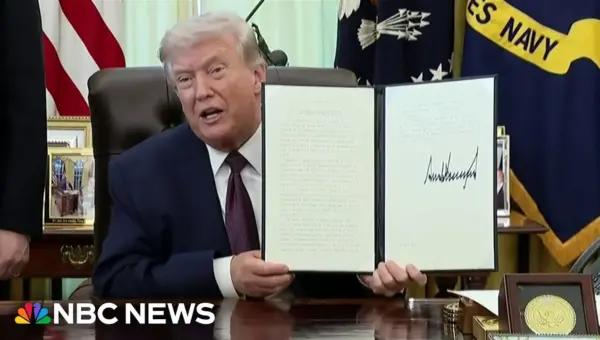
President Trump signaled his intent to attend Supreme Court arguments on birthright citizenship, a move considered highly unusual for a sitting president. Simultaneously, he signed an executive order aiming to alter mail-in ballot procedures through the Postal Service, an action expected to face legal challenges. The order targets voter verification for mail-in ballots, reflecting ongoing concerns about election integrity.