Bucha Massacre Anniversary: EU Vows Justice for War Crimes
Four years after the atrocities in Bucha, Ukraine, EU officials marked the anniversary by honoring victims and vowing justice. The European Union is pushing for a special tribunal to hold Russian leadership accountable for the crime of aggression, beyond individual war crimes prosecutions. This move aims to ensure those who ordered the war face justice.

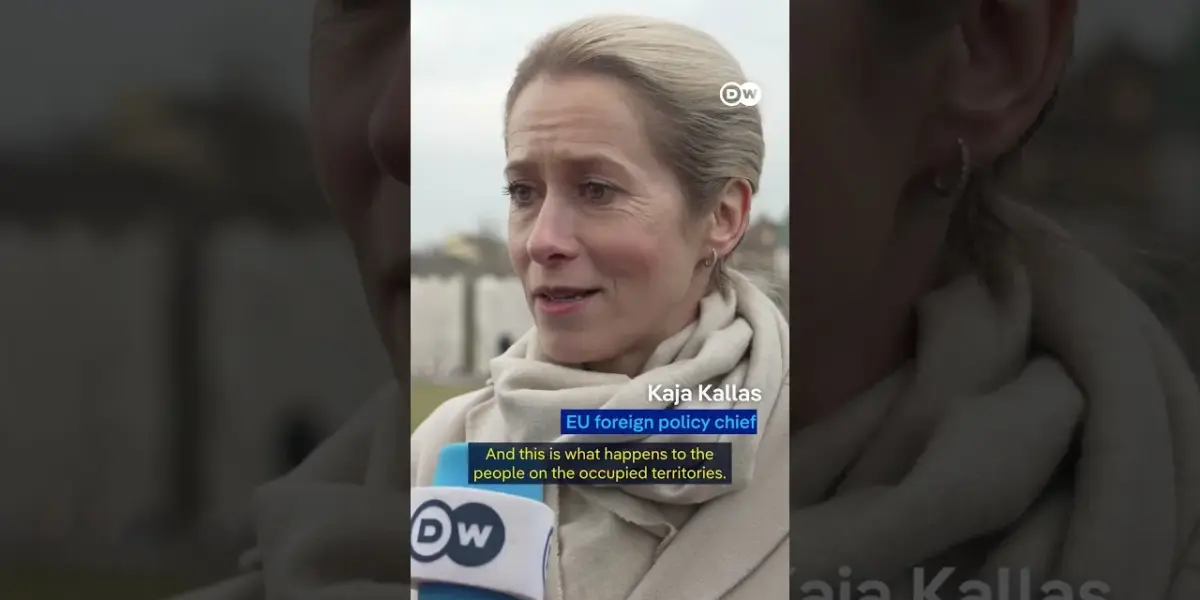
Four years after the liberation of Bucha, Ukraine, the city’s name remains a stark symbol of the atrocities committed during Russia’s invasion. On this anniversary, top European Union officials and national ministers visited Bucha to honor the victims, many of whom were women and children found in mass graves, including one at St. Andrew’s Church where 116 bodies were exhumed.
EU Officials Honor Bucha Victims, Condemn Land Concessions
The European Union’s top diplomat, along with a dozen government ministers from EU member states, paid their respects to those who lost their lives in Bucha in March 2022. The visit served as a powerful reminder of the human cost of the conflict. The EU’s top diplomat stated that the events in Bucha underscore why Ukraine should not be pressured into surrendering territory to Moscow, a proposal sometimes seen in so-called peace plans.
“Whoever is saying that you know just give your territory away. It’s not only territory, it’s people. And this is what happens to the people on the occupied territories.
Uh they are killed, they are tortured. Uh and and also I mean their culture is suppressed. So this is what we have to keep in mind.”
This sentiment highlights the deep concern that giving up land would subject more Ukrainian citizens to the violence and oppression experienced in occupied areas. The suppression of culture is also noted as a grave consequence.
Push for Special Tribunal to Prosecute ‘Crime of Aggression’
Beyond remembrance, there is a strong push for legal accountability. The EU is actively supporting the establishment of a new tribunal aimed at prosecuting the ‘crime of aggression.’ This would hold top Russian leadership responsible for ordering the war and the subsequent massacres, going beyond the scope of the International Criminal Court, which typically prosecutes individuals for war crimes.
Ukrainian Foreign Minister Dmytro Kuleba emphasized the need for this special tribunal. He explained that while perpetrators of war crimes can be tried, those who ordered the conflict must also be held accountable. This distinction is crucial for achieving full justice for Ukraine.
“They also need to be held accountable and that’s why we need uh the special tribunal for uh the crime of aggression,” Kuleba stated. He acknowledged that progress is being made, though he expressed a desire for faster action.
Growing International Support for Justice
The number of countries backing the creation of this special tribunal is reportedly growing, according to Ukraine’s Foreign Minister. The memory of Bucha is a powerful motivator for this international effort. The ashes of Bucha are seen as demanding that justice be served.
The push for accountability is not just about punishing individuals but also about deterring future aggression. By establishing a legal precedent for prosecuting the crime of aggression, the international community aims to prevent similar atrocities from occurring again. The ongoing work towards this tribunal signals a commitment to upholding international law and human rights.
Looking Ahead: The Path to Accountability
As Ukraine and its international partners continue to advocate for the special tribunal, the focus remains on building consensus and securing broad support. The anniversary is a critical moment to reaffirm these efforts and keep the memory of Bucha’s victims alive. The coming months will be key in determining the speed and effectiveness of establishing this new legal mechanism.
Source: Bucha massacre marked 4 years on, as EU vows Russia will be held accountable | DW News (YouTube)

Related Articles
Russia Strikes Energy Grid After Easter Truce Offer
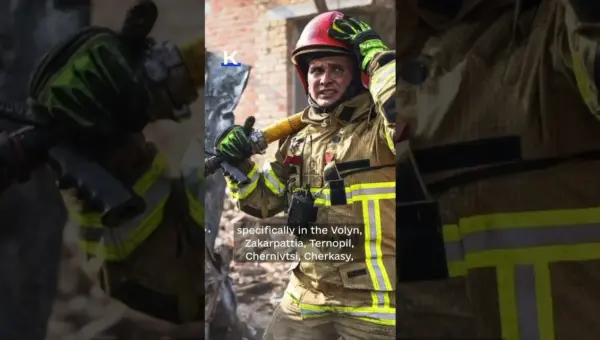
Russia launched a significant drone offensive across Ukraine, targeting energy infrastructure shortly after Kyiv proposed an Easter ceasefire. Ukrainian air defenses reported shooting down over 700 drones, with a 90% success rate, but hits still occurred in multiple regions. The strikes are seen as a direct response to Ukraine's peace initiative.

Ukraine Sells War Tech Lessons to Gulf Nations
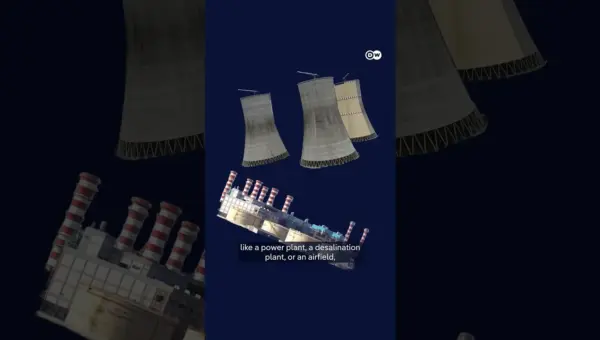
Ukraine is leveraging its battlefield experience from the war with Russia to forge new defense partnerships in the Persian Gulf. The nation is sharing its innovative approaches to drone warfare and defense systems with countries like Saudi Arabia, Qatar, and the United Arab Emirates. These deals offer Ukraine financial support and potential energy resources in exchange for its expertise.
Ukraine’s ‘Baba Yaga’ Drones Strike Deep Russian Lines
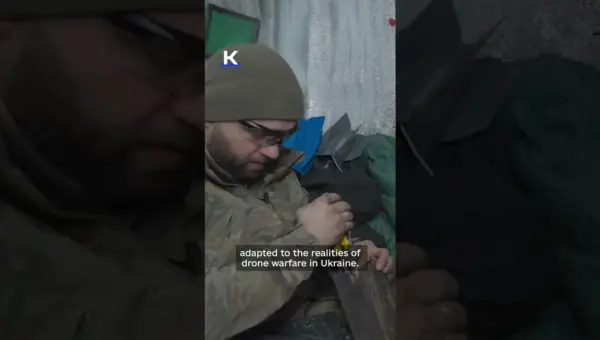
Ukraine's Skyian Griffins are deploying heavy 'Baba Yaga' bomber drones equipped with 'Spear' munitions to strike Russian positions. This tactic adapts historical bunker-busting principles for modern drone warfare, aiming to degrade enemy strongholds and disrupt supply lines.