NFL Eyes 2026 Contingency Plan Amidst Referee Negotiations
The NFL is preparing for potential referee disputes by approving a contingency plan for the 2026 season, allowing for replay center review of "clear and obvious" errors if replacement officials are used. This comes as Las Vegas secures Super Bowl 63 in 2029, highlighting the league's evolving relationship with gambling and shifting focus away from cold-weather host cities.

Las Vegas Awarded Super Bowl 63 in 2029
Las Vegas has officially secured its second Super Bowl, with Allegiant Stadium set to host Super Bowl 63 in 2029. This marks a significant return for the city, which recently hosted Super Bowl 58, a thrilling overtime victory for the Kansas City Chiefs against the San Francisco 49ers. The NFL’s decision reflects a changing perspective on Las Vegas, particularly following the Raiders’ move to the city and the league’s evolving stance on sports gambling.
A Shift in NFL’s Stance on Gambling
Andrew Brandt, host of the Business of Sports Podcast and former Green Bay Packers executive, reflected on the NFL’s dramatic shift regarding gambling. “It was so taboo forever in sports,” Brandt stated, recalling a time when even a fantasy football draft without money was discouraged by the league. This stands in stark contrast to today, where sports betting is heavily integrated into the NFL experience, with constant advertisements from companies like FanDuel and DraftKings.
The turning point came with the Supreme Court’s 2018 decision that allowed states to legalize sports betting. The NFL, which had previously fought against such measures, has now embraced it, recognizing its significant monetization potential. “The leagues have embraced it,” Brandt observed, highlighting the contrast with the past, like in 2009 when the league prohibited players from attending fantasy football conventions in Las Vegas due to proximity to casinos.
Concerns Over Game Integrity Remain
Despite the league’s embrace of gambling, questions about the integrity of the game persist. Brandt expressed concern, noting that the NFL has “crossed the Rubicon on the integrity argument” by placing a team and now a second Super Bowl in Las Vegas, a hub for gambling. The proliferation of betting on live games, including specific plays like the next touchdown or player props, raises concerns about whether this is a healthy pursuit.
The league’s approach to potential referee disputes also suggests a proactive, perhaps defensive, strategy. For the upcoming 2026 season, the NFL has approved a one-year contingency plan.
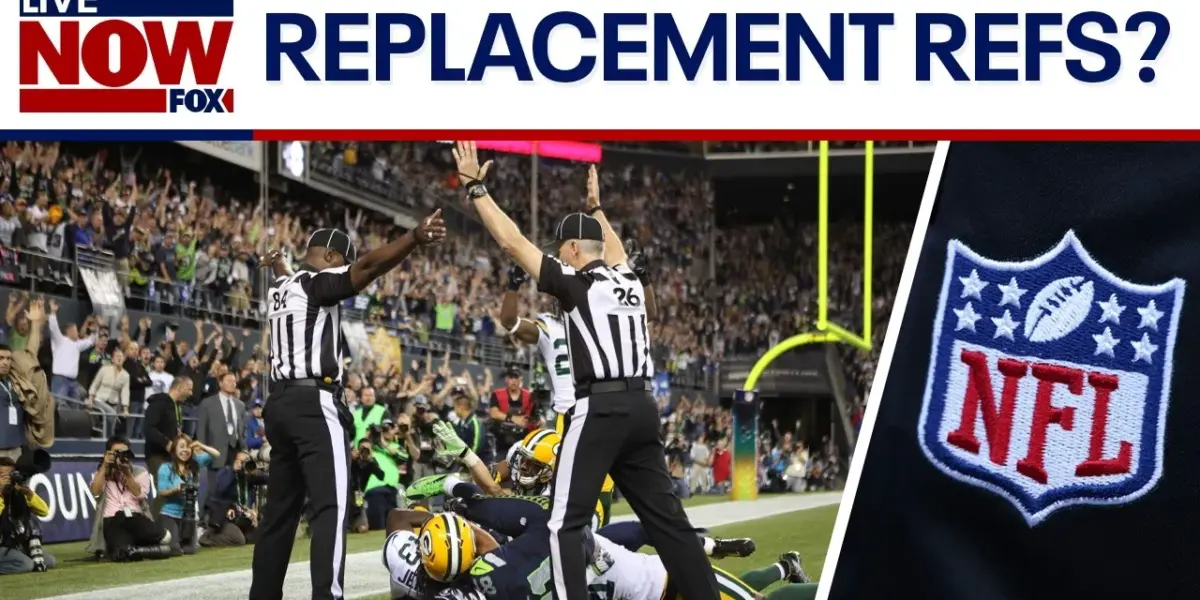
This plan allows the replay center in New York to correct “clear and obvious mistakes” made by on-field officials if a work stoppage occurs. This measure specifically addresses potential issues arising from the use of replacement referees, a scenario that caused significant controversy in 2012.
Referee Negotiations and the Threat of Replacement Officials
The NFL is currently engaged in tough negotiations with its referees. Brandt described the league as playing “hardball” with various stakeholders, including players and now officials.
The referees are seeking full-time employment and compensation comparable to those in baseball and basketball. However, the NFL’s proposal to make only head referees full-time creates a sticking point, as many officials rely on other jobs during the offseason.
The league’s contingency plan for the 2026 season suggests a belief that a deal may not be reached before the end of May, when a work stoppage is anticipated. The 2012 replacement referee situation, marked by egregious errors like the infamous “Fail Mary” play, left many fans with “PTSD.” The NFL’s willingness to implement a replay review system specifically for potential replacement officials highlights the gravity of this possibility.
The Future of Super Bowl Hosting
Brandt also clarify the future of Super Bowl hosting. He indicated that cold-weather cities are unlikely to host the event again.
NFL officials have suggested that past cold-weather Super Bowls were often one-off events, partly to incentivize public funding for stadium projects. Instead, the league is expected to favor warmer climates such as Miami, Los Angeles, Atlanta, Tampa, and Dallas for future Super Bowl bids.
This shift means cities like Buffalo, which is building a new stadium, or Denver, also anticipating a new venue, may not be considered for the league’s premier event. The focus remains on ensuring the event’s logistical success and maximizing its economic impact, which is perceived to be greater in warmer, more accessible locations.
Looking Ahead: Technology and Referee Agreements
The NFL’s discussions about correcting “clear and obvious” mistakes also touch upon the role of technology. Brandt noted the increasing use of electronic measurements for first downs, moving beyond outdated methods like chains and sticks. He suggested that further advancements in replay assistance could lead to a standardized definition for what constitutes a “clear and obvious” error, potentially improving the consistency of officiating.
As the May deadline approaches, the NFL and its referees face the challenge of reaching a new collective bargaining agreement. While Brandt remains cautiously optimistic about a deal, the league’s history of hardball negotiations and the implementation of a replacement referee contingency plan indicate that the path forward may involve significant hurdles. The outcome of these negotiations will be crucial in determining the officiating landscape for the upcoming NFL seasons.
Source: Replacement Refs: NFL approves contingency plan for 2026 season (YouTube)

Related Articles
NFL Elite Party in Phoenix: Coaches, GMs Let Loose
NFL executives and coaches let loose at the annual league meetings in Phoenix, enjoying a night of camaraderie. Discussions also touched on baseball's new ABS system and the potential return of Deshaun Watson to the Cleveland Browns.
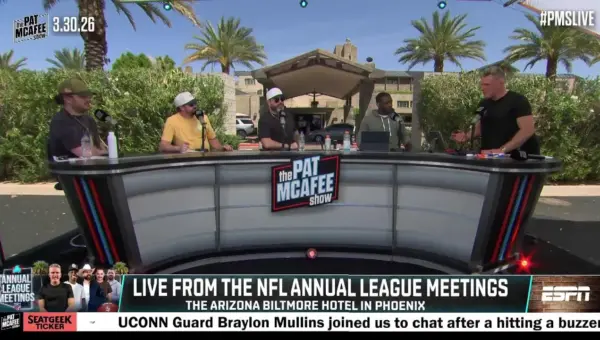
NFL Owners Eye 18-Game Season Amid Ref Dispute
NFL owners are pushing for an 18-game regular season, raising concerns about player safety, while also navigating tense negotiations with the NFL Referees Association. The league aims to avoid a repeat of the 2012 replacement referee issues.
Baseball Is Back! Judge, Webb Kick Off MLB Season
Baseball returns with Aaron Judge and the Yankees facing Logan Webb's Giants tonight. The NFL is considering new rules, including on-site kick declarations, while a legendary durable linebacker retires after 14 seasons.