Air Canada CEO Ousts After LaGuardia Tragedy
Air Canada's CEO has stepped down following a deadly crash at LaGuardia Airport. The resignation highlights communication issues and a complex chain of events leading to the tragedy. The incident prompts a broader look at airline safety and leadership.


Air Canada CEO Ousts After LaGuardia Tragedy
The chief executive of Air Canada has stepped down following a devastating crash at New York’s LaGuardia Airport. This sudden departure comes after the CEO spent nearly two decades with the company, serving as CEO since 2021. The move raises questions about the airline’s leadership and stability in the wake of the tragic event.
A Communication Misstep?
One key factor highlighted in the aftermath of the crash was a perceived communication misstep by the departing CEO. As an airline based in Quebec, Canada, where French is the primary language, a failure to communicate clearly in French was seen as a significant oversight. This issue may have exposed underlying weaknesses in his corporate leadership style.
The language barrier appears to have been more than just a small mistake. It might have been the first sign of deeper issues that were not visible to the public.
The crash itself was truly devastating, impacting many people and resulting in a loss of life. A flight attendant was ejected from a jump seat but miraculously survived, proof of resilience in the face of extreme danger.
The Ripple Effect of Tragedy
In the event of a tragic accident, like the one that killed two pilots and severely injured passengers and crew, sensitive and clear corporate communication is absolutely critical. Both political leaders in Canada and Air Canada’s board of directors recognized a gap in how the situation was handled. The board is now looking for potential candidates to take over the airline’s leadership.
To understand the gravity of the situation, consider this analogy: Imagine a company leader in the United States not being sensitive to Spanish-speaking customers; it’s a similar kind of oversight. The crash at LaGuardia injured 41 passengers, and concerns have since grown about air traffic control and the airline industry as a whole. This incident is not the first near-miss or collision reported in recent times.
A Chain of Events
The new leader will need to consider systematic changes to prevent future tragedies. While this specific accident involved a fire truck, the ultimate goal is ensuring safety for all travelers. The visible wreckage on the tarmac at LaGuardia was a clear reminder of the danger, affecting everyone who flew in and saw it.
Experts suggest that any aircraft mishap is typically a chain of events, not a single failure. In this case, human error played a role on multiple fronts.
This included the air traffic control tower operator, the fire truck operator, and the multiple aircrews piloting planes around LaGuardia that day. It was an unfortunate series of events that led to the tragic outcome.
Looking Ahead
It is too early to assign blame to any single entity, such as the tower controller, as the NTSB will conduct a thorough investigation. The final report will reveal the full story. However, it is important to remember that this accident was the result of several incidents occurring within a larger event.
The NTSB is known for its rigorous examination of all factors contributing to aviation accidents. We must wait for their final report to understand the complete sequence of events. The focus now shifts to leadership changes and ensuring the safety of future flights.
Why This Matters
The resignation of Air Canada’s CEO highlights the immense pressure on airline leadership, especially after a fatal incident. It highlights the critical need for clear, culturally sensitive communication during crises. Beyond the immediate leadership change, the event forces a broader conversation about safety protocols and human factors in aviation.
This incident is a clear reminder that even in highly regulated industries like aviation, a complex interplay of human decisions and external factors can lead to disaster. The focus on the language issue, while specific to Air Canada’s context, points to a universal need for leaders to understand and respect diverse populations.
Implications and Future Outlook
The departure of the CEO may lead to a period of uncertainty for Air Canada, but it also presents an opportunity for new leadership to implement enhanced safety measures and improve communication strategies. The airline industry, in general, will be watching closely to see what lessons are learned and applied.
As investigations continue, the industry will be looking for actionable insights that can be shared to prevent similar tragedies. The coming months will be crucial for Air Canada as they select a new leader and reinforce public trust in their commitment to safety.
The National Transportation Safety Board (NTSB) is expected to release its full report on the LaGuardia crash in the coming months, which will provide further clarity on the contributing factors.
Source: Air Canada CEO steps down after deadly LaGuardia crash | NewsNation Live (YouTube)

Related Articles
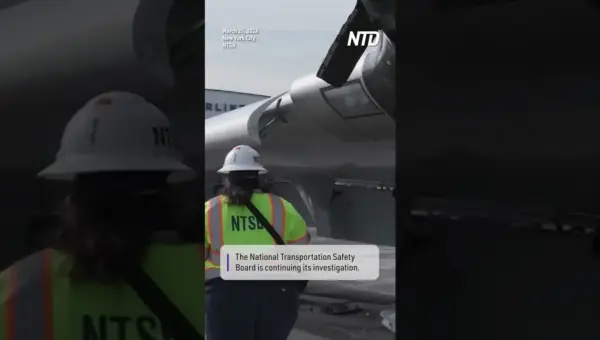
LaGuardia Crash: NTSB Uncovers Wreckage as Runway Reopens
The NTSB released drone footage of the Air Canada flight wreckage at LaGuardia Airport after a collision with a firefighting truck. The runway has since reopened, but the investigation into the cause of the incident is ongoing. This event underscores the critical importance of communication and safety protocols on airport grounds.


Plane Crash, Airport Chaos, and a Social Media Verdict
New details emerge from the LaGuardia plane crash investigation, highlighting potential failures in tracking systems and air traffic control staffing. Meanwhile, a potential deal to fund the TSA could end airport chaos, and Meta faces a landmark verdict for endangering children on its platforms.
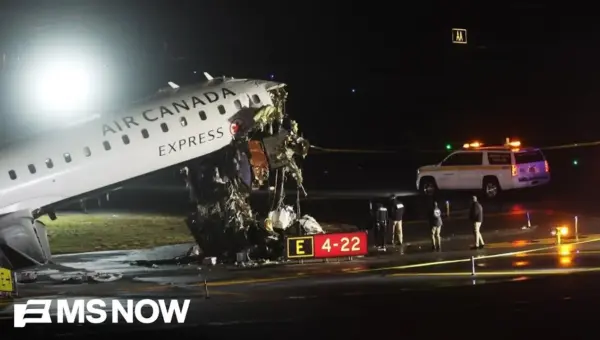
Plane Crash Survivor Shares Terrifying LaGuardia Experience
A survivor of the LaGuardia plane crash described the terrifying moments of impact as "terrifying, scary, and confusing." Joe Capio, who walked away from the incident, stressed the need for safety improvements in air travel. He urged leaders to trust expert warnings and support essential aviation personnel.