China’s Modern Marvels vs. American Stereotypes
Podcast guests on Club Shay Shay dismantled stereotypes about Chinese food and culture, highlighting China's modern infrastructure and sophisticated urban life. They contrasted advanced high-speed rail and Shanghai's impressive dining scene with outdated notions and even joked about American 'roadkill' cuisine, urging people to give Asia a chance over more traditional, expensive destinations.

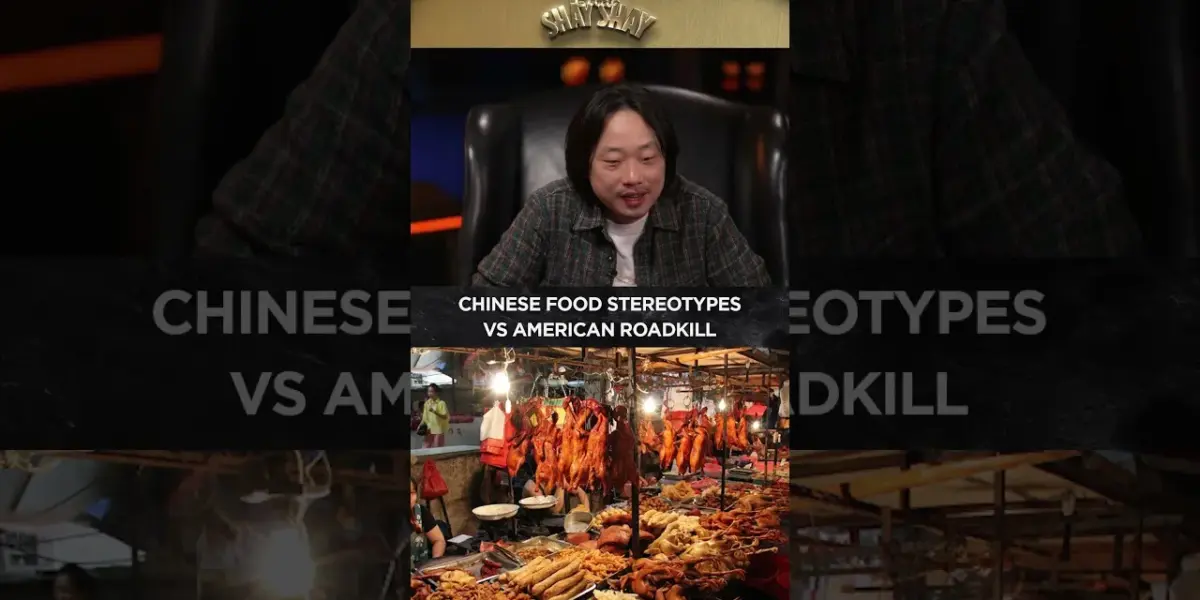
Stereotypes Slammed: China’s Modernity and Cuisine Outshine American Roadkill Claims
The conversation around global cuisine and cultural perceptions took a sharp turn as comedian and podcast host Shannon Sharpe, alongside guests on Club Shay Shay, tackled deeply ingrained stereotypes about Chinese food and culture. The discussion, sparked by comments about “weird stuff” people eat, quickly pivoted to highlight China’s advanced infrastructure and modern lifestyle, directly challenging the notion that its culinary practices are solely exotic or unsophisticated.
Sharpe and his guests argued that many perceptions of Chinese eating habits are rooted in outdated or exaggerated stereotypes, often fueled by social media trends. “You done heard about some of the things that y’all be y’all be eating over there,” one guest remarked, prompting a swift rebuttal.
“See, see this is a bad stereotype, man. I’m just saying,” another responded, emphasizing that while unusual items might exist, they don’t represent the everyday reality for most people.
Modern China: Beyond the Village Kitchen
The discussion moved beyond food to paint a picture of China as a highly developed nation. The idea that people in China are constantly cooking with leaves or engaging in primitive food preparation was directly refuted. “Do y’all really cook?
Do they really cook like that?” a guest questioned, only to receive a definitive “Not. No.”
To drive the point home, comparisons were drawn to rural life in America. “Like, if you live in a village in America, there’s people that cook weird. People that eat roadkill,” a speaker explained.
“Do we eat roadkill every day, Shannon? No, we don’t.” This analogy aimed to show that isolated examples do not define an entire culture or country’s typical behavior.
High-Speed Rails and Shanghai Shine
The guests then detailed their experiences with China’s modern infrastructure, contrasting it sharply with common perceptions. One individual shared their surprise upon arriving in Los Angeles, noting, “When I came to LA, I’m like, this place sucks. Really?
There’s nothing here but cars and freeways. All right. When you walk, it’s not modern at all.”
This sentiment was immediately contrasted with impressions of China. “When you go to China, man, like, dude, the high-speed rails take you everywhere,” a guest enthused.
“And the restaurant decor inside of Shanghai would blow your mind. And it’s just incredible services.” This detailed description aimed to showcase the advanced, aesthetically pleasing, and service-oriented nature of modern Chinese cities.
A Call for Open Minds and Travel
The core message from the podcast segment was a plea for people to reconsider their views on China and Asia. The speakers urged listeners to give the continent a chance, suggesting that many popular travel destinations are overrated and overpriced. “That’s why I’m saying like people got to give Asia, give China a chance, dude,” one participant stated passionately.
The critique extended to commonly favored tourist spots like Paris. “Like, so many people, everyone’s like, ‘Oh, my top destination is Paris.’ All that, man. You know, the hotels are expensive.
The food sucks,” a guest commented, offering a stark alternative. The implication was clear: China offers a superior, more modern, and potentially more rewarding travel experience than many established Western destinations.
The conversation underscored the power of stereotypes and the importance of experiencing places firsthand. By highlighting the advanced infrastructure, sophisticated dining, and modern lifestyle in places like Shanghai, the podcast aimed to dismantle outdated notions and encourage a more informed perspective on Chinese culture.
The segment also included a brief mention of the daily fantasy sports platform PrizePicks, with a speaker noting, “That’s cold, Shannon, to get $50 in lineups after you play your first $5 lineup. PrizePicks. It’s good to be right.” This brief endorsement suggests a broader interest in engaging with modern entertainment and technology, mirroring the theme of China’s own advancements.
Ultimately, the discussion is a reminder that perceptions are often shaped by limited information, and a closer look can reveal a reality far more complex and impressive than initially believed. The call to visit and experience China directly challenges those who rely on stereotypes rather than empirical evidence.
Source: Chinese Food Stereotypes VS American Roadkill I CLUB SHAY SHAY (YouTube)

Related Articles

Mojo Brookzz: ‘I’m Helping The World, Saving Relationships!’
Comedian Mojo Brookzz joined Shannon Sharpe on 'Club Shay Shay' to discuss his 'toxic' internet persona, modern dating, and the importance of accountability in relationships. Brookzz believes his skits help people recognize their own faults and aims to save relationships one laugh at a time.
Anthony Hamilton Opens Up On Love, Loss, and Legacy
Anthony Hamilton sat down with Shannon Sharpe on Club Shay Shay to discuss his career, personal life, and the inspirations behind his hit songs "Charlene" and "Coming Where I'm From." He opened up about the sacrifices made in his pursuit of music and the importance of understanding in relationships.

Katt Williams Has Club Shay Shay’s Back!
Katt Williams joined Shannon Sharpe on Club Shay Shay, sharing hilarious childhood stories and insights into his new special, 'Live on Short Street.' He discussed identity, fitness, and even his past dating experiences with surprising candor and humor.