Lebanon Seeks Power Shift as Iran’s Influence Wanes
Lebanese officials are engaging in crucial talks with Israel, seeking to reclaim state authority from Hezbollah, a group heavily backed by Iran for three decades. The ongoing conflict and the internal power dynamics present significant challenges as Lebanon pushes for a ceasefire and national sovereignty.

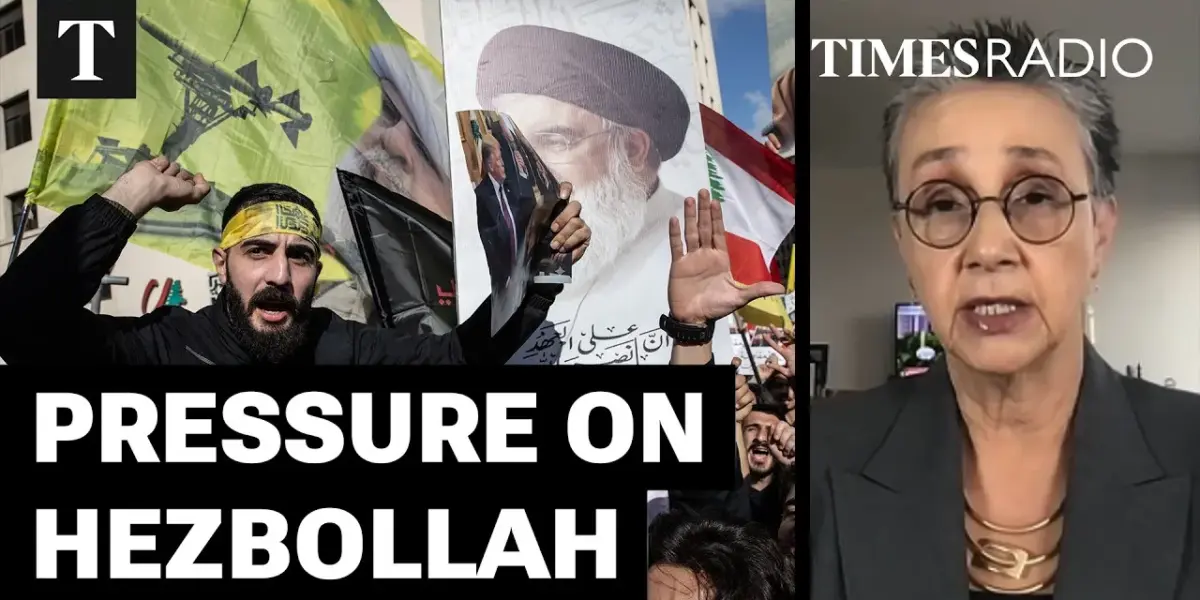
Lebanese Officials Push for State Control Amidst Conflict
Lebanese officials are pushing for a significant shift in power within their country, seeking to reclaim authority from the influential group Hezbollah. This comes as high-level talks between Lebanese and Israeli officials are underway in Washington D.C., marking the first such discussions in over three decades. The talks aim to address the ongoing conflict and pave the way for a more stable future, though Hezbollah has stated it will not abide by any agreements reached.
Hezbollah’s Deep Roots and Economic Power
For the past 30 years, Hezbollah has been heavily supported by Iran, receiving military and financial aid. This support has allowed the group to build a powerful parallel economy within Lebanon. This economic strength has enabled Hezbollah to thrive as a de facto ‘state within a state,’ significantly complicating efforts by the Lebanese government to assert its own authority. Dismantling this entrenched power structure and rebuilding the strength of the Lebanese state and its armed forces will be a lengthy and challenging process.
On-the-Ground Situation and Hopes for Dialogue
Reports from Beirut indicate that Israeli military operations in southern Lebanon continue, with air strikes reported in areas like Tyre and the Beqaa Valley. While the capital, Beirut, has seen a relative lull in intense fighting since mid-last week, a sense of unease persists. Checkpoints have been set up between different neighborhoods, raising concerns about potential ethnic tensions. Many Lebanese citizens reportedly do not support the ongoing talks, adding another layer of complexity to the situation.
Despite the challenges, there is a glimmer of hope that the current dialogue in Washington could lead to more regular discussions between Lebanese and Israeli officials. Such ongoing dialogue, potentially moving to neutral locations like Cyprus or Paris, could help normalize relations. However, the immediate priority for Lebanon is a ceasefire. Israel is unlikely to agree to this as long as Hezbollah continues its attacks on northern Israel. The IDF has warned of further strikes, indicating that the starting positions of both sides remain incompatible.
Internal Lebanese Dynamics and the Path Forward
Hezbollah is reportedly feeling increasingly isolated within Lebanon. While this isolation could lead to unpredictable actions, it also presents an opportunity for those seeking peace. There is a growing consensus among some Lebanese that Hezbollah should not hold legitimate political power and that the country should not be held hostage by an armed group. However, disarming Hezbollah presents a significant hurdle. Unlike many nations, Lebanon has a history where widespread weapon ownership is common, a legacy of its civil war. A direct confrontation between the Lebanese armed forces and Hezbollah, many of whose members come from the Shia community, could risk reigniting a civil conflict, something Lebanon is keen to avoid.
Instead, the Lebanese government hopes to achieve peace by focusing on regaining its sovereignty and ensuring that the Lebanese armed forces and government are the sole authorities capable of deciding on war and peace. The government is also looking to international partners to help pressure Iran to cease its interference in Lebanese affairs. Lebanese MP Nat Saliba emphasized the need for international support, similar to the pressure sought on Israel to withdraw from occupied territories, to push Iran to stop funding its proxies.
A Difficult Road to National Sovereignty
The path ahead for Lebanon is fraught with difficulty. The government’s efforts to reassert control face the deep-seated influence of Hezbollah, built over decades with significant Iranian backing. The ongoing conflict with Israel adds immediate pressure, with calls for a ceasefire being paramount. The hope is that continued diplomatic engagement, coupled with international pressure on Iran, will eventually allow the Lebanese state to regain its full sovereignty and ensure peace and stability for its citizens.
Source: A Weaker Iran Will Help Lebanon Take Back Power From Hezbollah | Lebanese MP (YouTube)

Related Articles


Iran Tensions Rise: Escalation Looms in Middle East
Tensions between Iran and Israel are escalating following an alleged Israeli strike on an Iranian consulate. Iran has vowed retaliation, raising fears of a wider conflict. This situation could destabilize the Middle East and impact global markets.

Iran Talks Loom Amid Blockade; Israel-Lebanon Peace Efforts
New diplomatic talks between the U.S. and Iran may begin soon, even as the U.S. maintains a naval blockade. Meanwhile, Israel and Lebanon are set for their first direct talks in over 30 years, aiming for peace. These significant events unfold alongside other news, including congressional resignations and new energy infrastructure projects.

GOP Rep Slams ‘Insane’ Iran War Powers Resolution Idea
A New York Congressman has called a potential House Democratic plan for an Iran war powers resolution "insane." He argued it would weaken the U.S. and help Iran. The lawmaker also criticized the handling of the government shutdown and DHS funding.