Drones Take On Underwater Mine Threats, Protecting Sailors
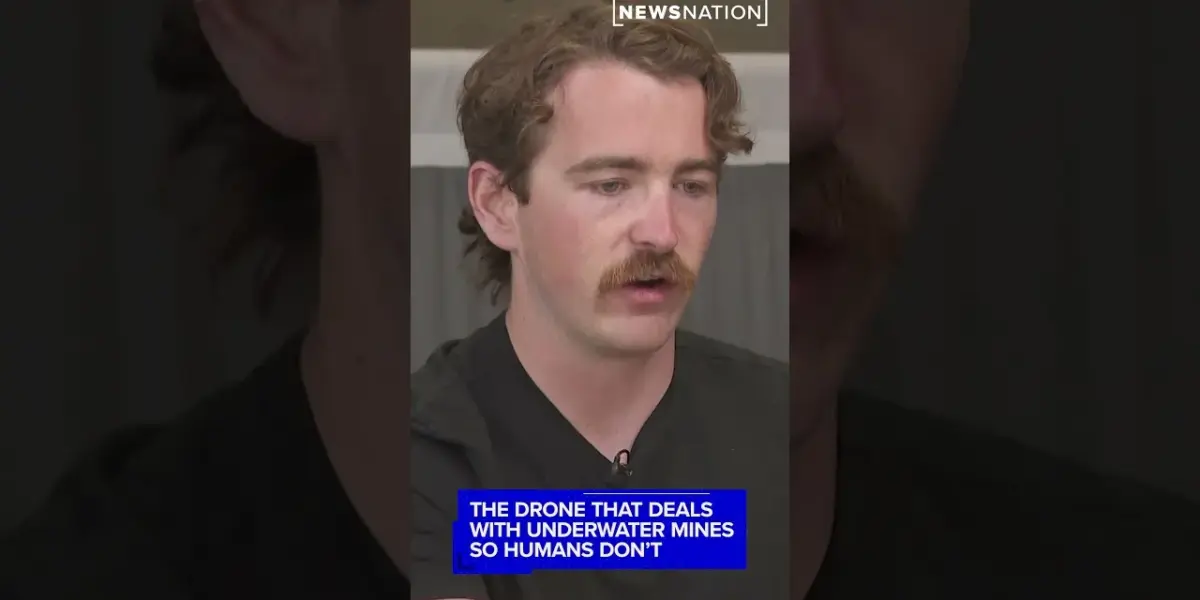
New unmanned underwater vehicles are being developed to find and deal with dangerous underwater mines. This technology aims to keep human sailors and divers safe from harm. The goal is to use robots to do dangerous jobs, so people don't have to risk their lives.

Drones Take On Underwater Mine Threats, Protecting Sailors
New unmanned underwater vehicles are being developed to find and deal with dangerous underwater mines. This technology aims to keep human sailors and divers safe from harm. The goal is to use robots to do dangerous jobs, so people don’t have to risk their lives.
Keeping Warfighters Safe
The main reason for developing these underwater drones is to protect military personnel. Specifically, the U.S. Navy’s Explosive Ordnance Disposal (EOD) divers face significant risks. These divers are trained to disarm mines and other underwater explosives. However, the underwater environment is inherently dangerous, and mines pose a deadly threat. By using unmanned systems, these divers can be kept out of harm’s way.
The technology is designed to work with other autonomous systems. This includes surface vehicles that operate on top of the water. The idea is that different types of robots can work together. This cooperation will help them complete missions more effectively and safely. It’s about creating a team of machines that can handle complex tasks without putting humans in danger.
How the Drones Work
While the transcript doesn’t detail the exact technical workings, it mentions the integration of these drones into larger systems. This suggests they are part of a network of unmanned systems. These drones are likely equipped with sensors to detect mines. Once a mine is found, the drone might be able to neutralize it or mark it for later disposal by another system. The focus is on automation and reducing direct human involvement in dangerous minefields.
The Bigger Picture: Reducing Risk
The development of these underwater drones reflects a broader trend in military technology. Nations are increasingly investing in unmanned systems for various roles. This includes reconnaissance, logistics, and combat. The advantage of unmanned systems is their ability to operate in environments too dangerous for humans. They can also operate for longer periods and are less costly to replace if lost.
For naval forces, underwater mines are a persistent threat. They can block ports, disrupt shipping lanes, and endanger warships and submarines. Traditionally, clearing these mines has been a slow and dangerous process involving human divers. This new drone technology offers a faster, safer alternative. It allows navies to keep their waterways open and protect their vessels without risking lives.
Global Impact
The successful deployment of these mine-clearing drones could have significant global implications. It enhances the naval capabilities of countries that possess this technology. This could alter regional power balances, especially in areas with a history of naval conflict or dense shipping traffic. The ability to quickly clear minefields would be a major strategic advantage in any conflict.
Furthermore, this technology could be shared or sold to allies. This would strengthen alliances and create new security partnerships. It also raises questions about arms control and the future of warfare. As more dangerous tasks are handed over to robots, the nature of military operations will continue to change.
Future Scenarios
One possible future scenario is the widespread adoption of these autonomous mine-clearing systems by navies worldwide. This could lead to a significant reduction in casualties from underwater mines. Another scenario involves the development of more advanced underwater drones that can not only detect but also actively disable mines autonomously. This would further reduce the need for human intervention.
However, the development and deployment of such technology also raise concerns. There is the potential for misuse or the escalation of underwater arms races. As technology advances, international discussions on regulating these autonomous systems will become increasingly important. The focus remains on using technology to enhance safety and security while mitigating risks.
Source: The drone that deals with underwater mines so humans don't (YouTube)

Related Articles
Strait of Hormuz Traffic Collapses Amid Blockade
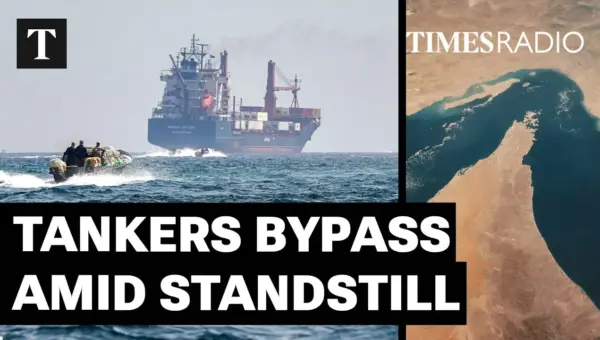
The Strait of Hormuz has become a no-go zone due to a US naval blockade, causing global shipping traffic to collapse. A sanctioned tanker's attempt to transit the strait highlights the growing crisis, which threatens severe oil shortages and broader economic disruptions worldwide.


Ukraine Unveils Advanced Defense Tech, Seeks Global Partnerships
Ukraine is showcasing its rapidly expanding defense industry, highlighting advanced domestic missile systems, drones, and robotic platforms. President Zelenskyy announced new international security partnerships, positioning Ukraine as a global provider of defense technology and expertise.
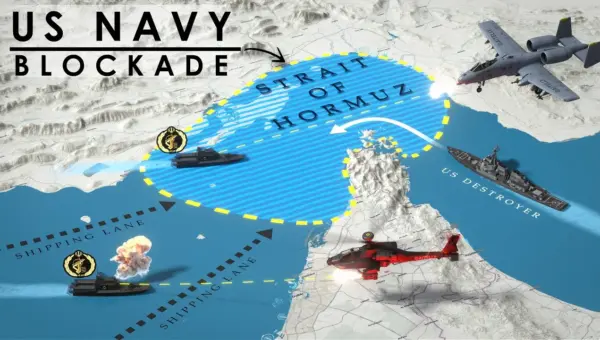
US Blockade of Hormuz: A Brutal Naval War
A detailed breakdown reveals the US plan for a potential blockade of the Strait of Hormuz. It involves advanced destroyers, submarines, and robotic mine-clearing systems. Iran's strategy relies on fast attack boats, sea mines, and hidden missiles. The operation would be complex and dangerous, highlighting global energy security concerns.