Strait of Hormuz Traffic Collapses Amid Blockade
The Strait of Hormuz has become a no-go zone due to a US naval blockade, causing global shipping traffic to collapse. A sanctioned tanker's attempt to transit the strait highlights the growing crisis, which threatens severe oil shortages and broader economic disruptions worldwide.

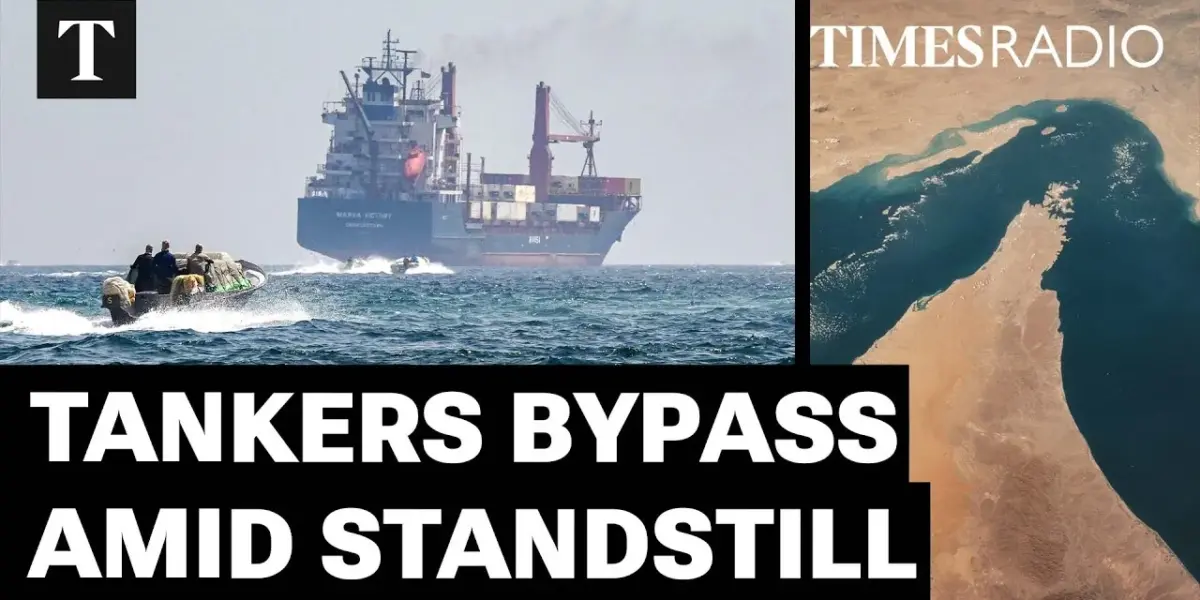
Global Shipping Crisis Looms as Hormuz Strait Becomes No-Go Zone
The vital Strait of Hormuz has effectively become a no-go zone following the US military’s blockade of Iranian ports, which officially began yesterday. This action, taken after talks in Islamabad collapsed over the weekend, has left thousands of sailors stranded and thrown global shipping into a state of crisis. Traffic in the strait has seen a dramatic drop, with very little movement reported since the blockades took force.
A Ghostly Strait: What’s Happening on the Water
Richard Me, Editor-in-Chief of Lloyd’s List, a maritime intelligence journal, described the situation as dire. “Traffic has collapsed,” he stated, noting that “it is just not moving now.” Over the weekend, there were around 30 ship transits, which was the busiest period seen since the conflict began. However, any hope of a ceasefire easing tensions and resuming normal activity has been dashed. Ship owners are now in a holding pattern, with “nothing happening” in terms of new charters.
A Lone Tanker’s Risky Journey
Amidst the widespread halt, one vessel has caught the attention of maritime observers. A sanctioned tanker, previously targeted by the US in 2023, appears to have made a break for it, heading towards the Gulf of Oman. “We’re not entirely sure whether that was done with the approval of the US or whether that may now be interdicted by the Navy,” Me explained. The ship, named Rich Starry, is flying an unknown or potentially false flag, adding to the uncertainty. Its current position places it in what Me called the “danger zone,” with the US Navy expected to intercept vessels attempting to transit the strait under the new blockade terms.
US Navy’s Playbook: Lessons from Venezuela
The US military has experience in intercepting vessels. Me pointed to the US actions in the aftermath of the Venezuela crisis, where “half a dozen ships were taken.” This suggests the US Navy is practiced in stopping and boarding ships, using helicopters and force if necessary. However, the specifics of the current operation, including which ships might be targeted and the exact US asset locations, remain unclear. With around 600 large ships currently inside the Persian Gulf and hundreds more waiting outside, the potential for disruption is immense. This situation has persisted since late February, longer than many anticipated.
The Looming Oil Shortage
The most significant consequence of the Strait of Hormuz blockade is the impending global oil shortage. Most tankers that departed before the conflict have either reached their destinations or are nearing them. Once these shipments are delivered, refineries worldwide could face a serious lack of oil. “We are going to have a serious shortage of oil in the world’s refineries,” Me warned. This situation is compounded by the fact that the Strait of Hormuz is a critical choke point, and there are limited alternatives for moving such a large volume of oil.
Limited Alternatives: Pipelines and Trucking
While shipping has adapted as much as possible, the options are scarce. Unlike previous situations where ships could reroute around the Cape of Good Hope, the Strait of Hormuz offers few viable alternatives for oil transport. Some relief has come from pipelines. Saudi Arabia is now using its East-West pipeline, allowing ships to load in Yambu on the Red Sea coast. Additionally, some oil is being transported via pipeline across the UAE. For other goods, cargo is being rerouted and trucked around the Middle East, a process described as “hugely inefficient.” These measures are not sufficient to compensate for the loss of oil flow through the strait.
The Specter of Mines
Adding to the peril is the threat of naval mines. While always a concern in the region, Iran has recently issued concrete threats suggesting they may have mined the strait. “We don’t know” if the strait has been mined, Me stated, but the “potential threat of mines is about as much threat as you need for a ship owner to not want to go in there.” The US has indicated mine-clearing operations are underway, but confirmation of existing mines remains elusive.
Broader Economic Impacts Beyond Oil
The consequences of this shipping standstill extend far beyond fuel prices. Me highlighted the broader logistical snarl affecting the global economy. “Food prices are affected,” he noted, along with exports of helium crucial for microchip manufacturing. This “huge amount of logistical snail-ing up of the global economy” may not be immediately apparent but is expected to become more significant in the coming weeks and months. The impact on shipping businesses is also a concern, as prolonged inactivity could lead to companies going out of business.
What’s Next? Watching the Rich Starry
The situation remains highly fluid. All eyes are now on vessels like the Rich Starry, which is attempting to navigate the increasingly dangerous waters. The coming days will reveal the extent of the US Navy’s intervention and the true impact of the blockade on global supply chains. Maritime observers are closely monitoring developments, with resources like Lloyd’s List providing real-time updates on the movement of ships like the Rich Starry.
Source: Shipping Traffic Has ‘Collapsed’ In Strait Of Hormuz (YouTube)

Related Articles

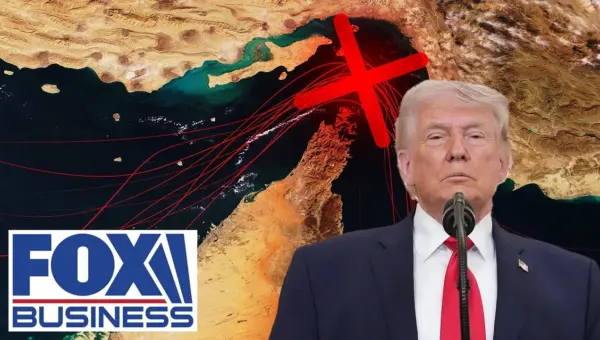
US Blockades Strait of Hormuz, Iran Nuclear Talks Stall
The U.S. has enforced a blockade on the Strait of Hormuz, emphasizing that Iran will not be allowed to acquire nuclear weapons. Talks between the U.S. and Iran are stalled, with Pakistan reportedly offering to host future negotiations. Senator Ron Johnson voiced concerns over proposed nuclear enrichment suspensions, advocating for complete program dismantling.

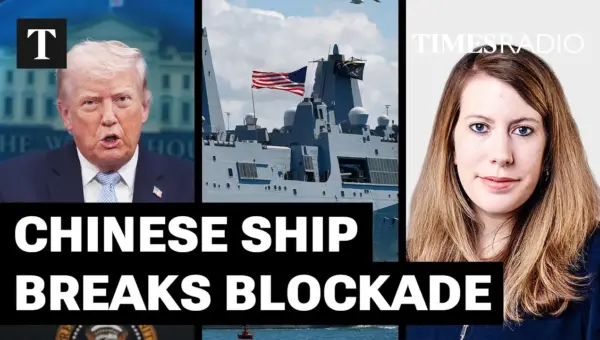
US Navy Faces Test as Ships Breach Trump’s Strait of Hormuz Blockade
Two vessels have reportedly bypassed the Strait of Hormuz blockade, challenging the US strategy and prompting President Trump's warning of elimination for approaching ships. The incident occurs amid broader geopolitical tensions and a growing debate on faith in politics.


Iran’s Secret Subs Threaten Strait of Hormuz
Iran has reportedly deployed its secret Ghadir-class submarines into the Strait of Hormuz, raising fears of attacks on shipping. The U.S. has vowed to sink these vessels if they pose a threat. This move escalates regional tensions amid stalled nuclear talks and ongoing conflicts.