Did We Win? The Confusing Reality of US Mideast Policy
President Trump claims victory over Iran, but military deployments and regional changes suggest otherwise. Analysts highlight a gap between official statements and the complex reality on the ground. The situation raises serious questions about the costs and true outcomes of U.S. involvement in the Middle East.

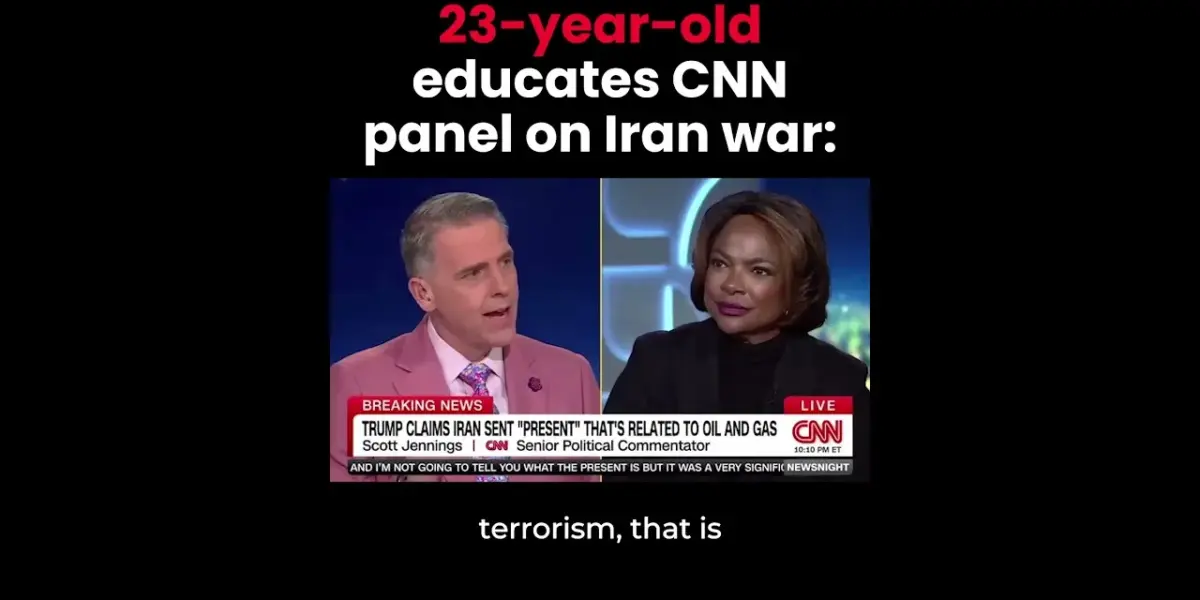
Trump Claims Victory, But Ground Truth Tells a Different Story
President Trump has declared victory in the conflict with Iran, stating that the U.S. has “won.” However, a closer look at the situation reveals a more complex and concerning reality on the ground. While the President’s words suggest a clear triumph, the actions taken by the U.S. military and the ongoing developments in the region paint a contradictory picture.
Defining Victory: A Shifting Target
When asked to define what winning looks like, one perspective offered was the destruction of Iran’s military and missile capabilities. Yet, if this were truly achieved, questions arise about why the Strait of Hormuz remains closed and why the U.S. is still deploying troops, such as the 82nd Airborne Division, to the Middle East. These actions suggest that the threat from Iran is far from neutralized.
A Win Defined by Future Conditions
Another definition of success suggested a future state where Iran has curbed its missile program, reduced its aggressive naval actions, and ceased its support for terrorism. This definition, however, implies that victory has not yet been achieved. It hinges on potential future changes rather than acknowledging a current accomplished fact, directly contradicting the President’s assertion of an existing win.
The Disconnect: Rhetoric vs. Reality
The careful wording used by some analysts highlights a significant gap between the President’s pronouncements and the observable facts. While one day we hear of a victory, the next day brings news of negotiations or another claim of winning, all while thousands of troops are being mobilized to the Middle East. This inconsistency is unsettling, especially when coupled with a request for $200 billion for the conflict.
Shifting Leadership, Escalating Tensions
Adding to the unease is the recent change in Iranian leadership. The aging Ayatollah replaced by his son, who is reportedly more radical and extreme, raises concerns about future escalations. This younger leader is said to be purging moderates, suggesting a hardening of Iranian policy and potentially a more confrontational stance towards the United States and its allies.
Unanswered Questions and Mounting Costs
Given these developments—the troop deployments, the massive financial requests, and the shift in Iranian leadership—it is difficult to understand what tangible benefits the U.S. has gained. The current situation leaves many questioning the true cost and outcome of the prolonged engagement in the region. The lack of clear answers about the return on investment for this costly endeavor is a significant concern for the American public.
Why This Matters
The disconnect between the declared success of a military operation and the reality of ongoing troop deployments and escalating tensions is crucial. It speaks to the challenges of defining and achieving clear objectives in complex geopolitical conflicts. When leaders declare victory prematurely or inconsistently, it can lead to public confusion and a lack of accountability for the resources and lives invested in these operations.
Historical Context and Future Outlook
The United States has a long history of involvement in the Middle East, marked by periods of intense conflict and shifting alliances. Understanding the current situation requires looking back at past interventions and their outcomes.
The current ambiguity surrounding the Iran conflict, with its conflicting messages and costly deployments, risks repeating historical mistakes if not addressed with clear objectives and transparent communication. The future outlook depends on whether policy makers can reconcile the rhetoric with the on-the-ground realities and articulate a coherent strategy that prioritizes de-escalation and clear, achievable goals.
The Path Forward
As the situation continues to evolve, the American public deserves clarity on the objectives, progress, and true costs of the U.S. involvement in the Middle East. The upcoming budget discussions and any further troop movements will provide critical insights into the direction of U.S. policy. The next public statement on the conflict’s status will be closely scrutinized for any signs of a more grounded assessment of the situation.
Source: they were speechless… (YouTube)

Related Articles

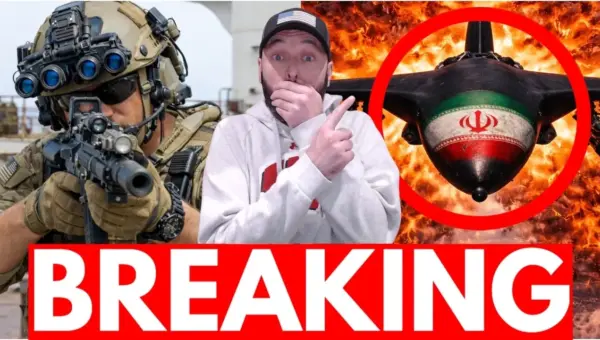
US Commandos Seize Iranian Ship Amidst Escalating Tensions
U.S. commandos have seized an Iranian cargo ship after disabling its engines, with video footage showing the dramatic boarding operation. This incident follows Iran's alleged drone attacks on U.S. Navy ships and comes amid stalled nuclear negotiations and increased military activity in the Middle East.

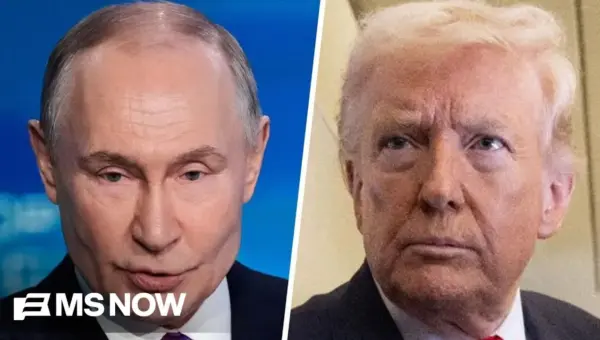
US Actions Aid Putin, Fuel Iran Tensions, Analysts Claim
Analysts are criticizing recent U.S. actions, including seizing an Iranian ship and easing sanctions on Russian oil, claiming these moves benefit Russia and escalate Middle East tensions. Iran has vowed retaliation, jeopardizing planned peace talks, while oil prices have surged amidst the growing instability.


High Energy Prices Here to Stay, Expert Warns
High energy prices are expected to continue for the rest of the year, with no easy resolution in sight for the complex demands between the US and Iran. The economic fallout from this standoff will persist, impacting global markets and consumers.