Iran Seeks Deal: Is This a Sign of Peace?
Iran's return to negotiation talks raises questions about its true intentions. While some see it as a sign of wanting peace, others believe it's a tactic to buy time. The U.S. maintains a firm stance against Iran acquiring nuclear weapons, focusing on economic pressure and reducing Iran's capabilities.

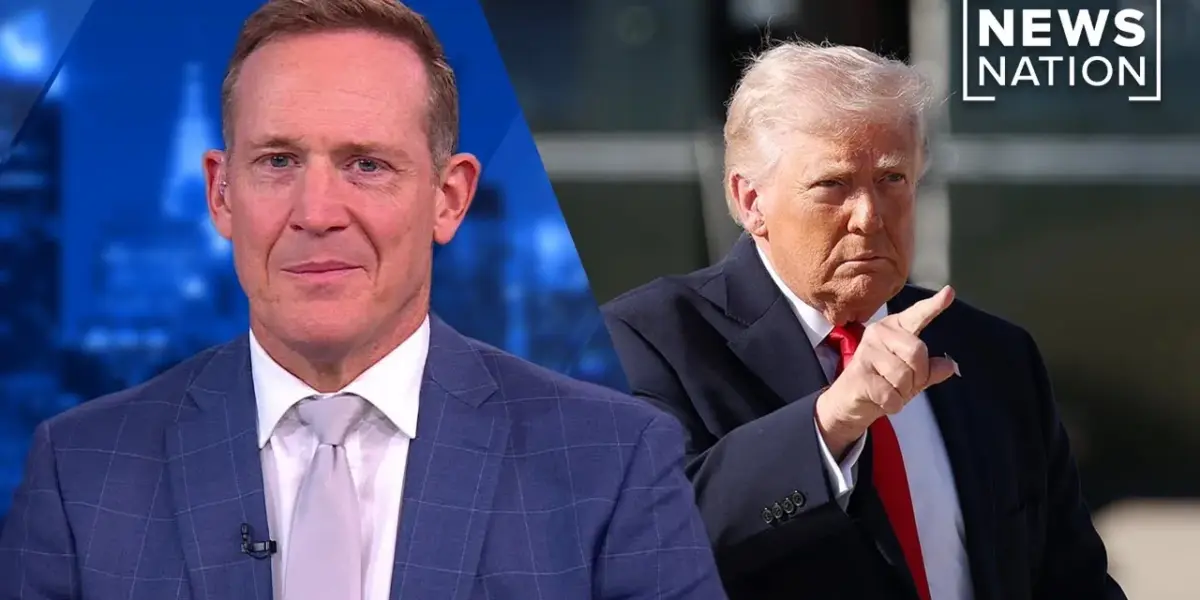
Iran Seeks Deal: Is This a Sign of Peace?
Iran coming to the negotiating table might signal a desire to end conflict, according to some observers. This marks at least the third time Iran has engaged in talks, suggesting they may want the situation resolved. However, actions speak louder than words, and it remains to be seen if these discussions will lead to a lasting agreement.
Before recent events, Iran reportedly boasted about having the capability to enrich uranium to weapons-grade levels. Some experts view this as a foolish negotiation tactic, not a sign of strength. Bringing up the possibility of nine nuclear weapons is seen as counterproductive and a direct challenge to the firm stance against Iran acquiring nuclear arms.
A New Regime?
One perspective suggests that Iran’s current leaders are a new regime, and by comparison, they appear more reasonable. This view holds that progress is being made, and a deal might be reached relatively soon. However, this assessment is based on a comparison to past leadership, and the true nature of the current regime’s intentions is still under scrutiny.
Skepticism remains about whether Iran’s return to negotiations truly shows they are more reasonable or trustworthy. Some believe Iran is simply playing for time, a strategy seen in how other nations have stalled negotiations. It is important to remain aware of this possibility while also strengthening our own positions, perhaps through economic measures like blockades.
U.S. Stance and Strategy
The core U.S. objective is clear: Iran must never possess a nuclear weapon. Recent actions are seen as having reduced Iran’s capabilities and put a blockade in place to squeeze their economy. The goal is to end conflicts and prevent Iran from developing nuclear weapons, not to engage in perpetual warfare.
The comparison is drawn to Russia’s actions, where leaders have stalled negotiations for weeks without apparent consequence. If Iran observes this, they might conclude they can do the same, especially given the past collaboration between Iran and Russia. Focusing on the primary distributors of terror worldwide, like Hamas and Hezbollah, is seen as addressing the root cause of many global evils.
The Root of the Problem
Identifying Iran as the main distributor of terror explains the world’s problems. This perspective argues that Iran has been operating below the radar for 50 years, causing death and destruction in America and elsewhere. Their ballistic missile capabilities, combined with high enrichment levels and threats against the U.S., make them a non-starter for any deal that allows them nuclear weapons.
Some argue that the current situation is not about restarting war but about recognizing that Iran is not looking to suddenly become a peaceful nation. The focus should be on the blockade and ensuring Iran cannot obtain nuclear weapons. Waiting to see how a temporary cease-fire works might be a better approach, as it could provide more intelligence and better position the U.S.
Control and Future Outlook
The U.S. believes it is in a better place now, with control over the Strait. This was not the case just days ago, when it seemed Iran held sway. The current strategy involves maintaining a strong military presence and hardware in the region to control the flow of goods and ensure security.
The situation remains complex, with differing views on Iran’s true intentions and the effectiveness of current strategies. However, the commitment to preventing Iran from acquiring nuclear weapons appears unwavering. The coming weeks will likely show whether diplomatic efforts or economic pressure will yield the desired results.
Why This Matters
The ongoing tensions surrounding Iran’s nuclear program and its regional influence have far-reaching consequences. A nuclear-armed Iran would significantly alter the geopolitical balance in the Middle East and beyond, potentially triggering an arms race. The involvement of proxy groups like Hamas and Hezbollah further complicates the security landscape, contributing to regional instability and global terrorism concerns.
Historical Context
Iran’s nuclear program has been a subject of international concern for decades. The Joint Comprehensive Plan of Action (JCPOA), signed in 2015, aimed to limit Iran’s nuclear activities in exchange for sanctions relief.
However, the U.S. withdrawal from the JCPOA in 2018 and the reimposition of sanctions have led to increased tensions and a renewed push by Iran to advance its nuclear capabilities. This history highlights the challenges in reaching and maintaining diplomatic agreements with Iran.
Implications and Future Outlook
The current talks, whether genuine or a stalling tactic, represent a critical juncture. If Iran is serious about de-escalation, it could open pathways for dialogue and reduced regional conflict.
Conversely, if Iran continues to pursue nuclear weapons, it could lead to further international isolation, increased sanctions, and potentially military action. The U.S. strategy of economic pressure through blockades aims to force Iran to the negotiating table with a weakened economy, hoping to achieve concessions without direct conflict.
The focus on Iran as a primary source of global terror, supporting groups like Hezbollah and Hamas, suggests a broader strategy to address the root causes of instability. By targeting these networks, proponents argue, the West can be better protected.
The effectiveness of this approach, alongside diplomatic and economic measures, will determine the future security of the region and the world. The coming weeks are crucial for understanding the true trajectory of Iran’s intentions and the international community’s response.
Source: Iran coming to the table shows desire to end conflict: Sen. Budd | On Balance (YouTube)

Related Articles

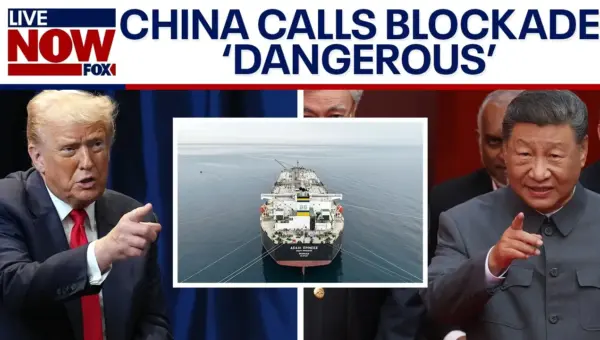
China Agrees Not to Send Weapons to Iran, Trump Claims
President Trump claims China has agreed to stop sending weapons to Iran, a move aimed at increasing pressure on Tehran. The U.S. is also tightening economic sanctions and enforcing a naval blockade on Iranian ports. Diplomatic talks are ongoing as a ceasefire nears its expiration.

Iran Talks Resume as Trump Faces Costly Compromise
Renewed diplomatic efforts are underway as the U.S. and Iran engage in talks aimed at de-escalating rising tensions. Reports suggest a potential deal mirroring past agreements, focusing on limiting Iran's uranium enrichment. This comes after a period of conflict that saw significant costs and damaged U.S. global standing.

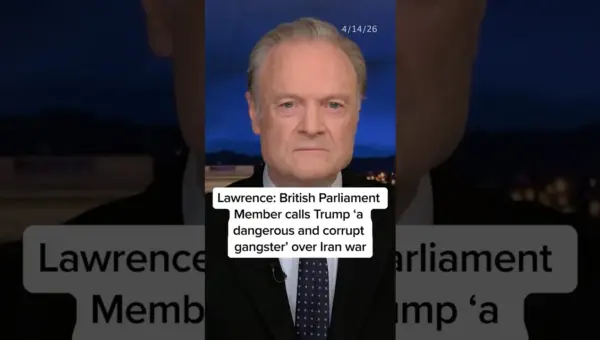
UK Parliament Member Slams Trump: ‘Dangerous Gangster’
A member of the British Parliament has sharply criticized former U.S. President Donald Trump, calling him a "dangerous and corrupt gangster." This condemnation reflects growing international concern over Trump's potential return to power and his foreign policy approach. The remarks highlight a global backlash amid fears of increased conflict, particularly regarding Iran.