Iran Blockade Sparks Global Economic Fears
A tense standoff in the Strait of Hormuz, driven by Iran's control over the vital waterway, is sparking global economic fears and raising the specter of $20 a barrel gas prices. The crisis highlights complex geopolitical dynamics involving the U.S., Iran, China, and Israel, with diplomatic missteps and economic warfare strategies at the forefront. This situation underscores the fragility of global energy markets and the interconnectedness of international security and economic stability.

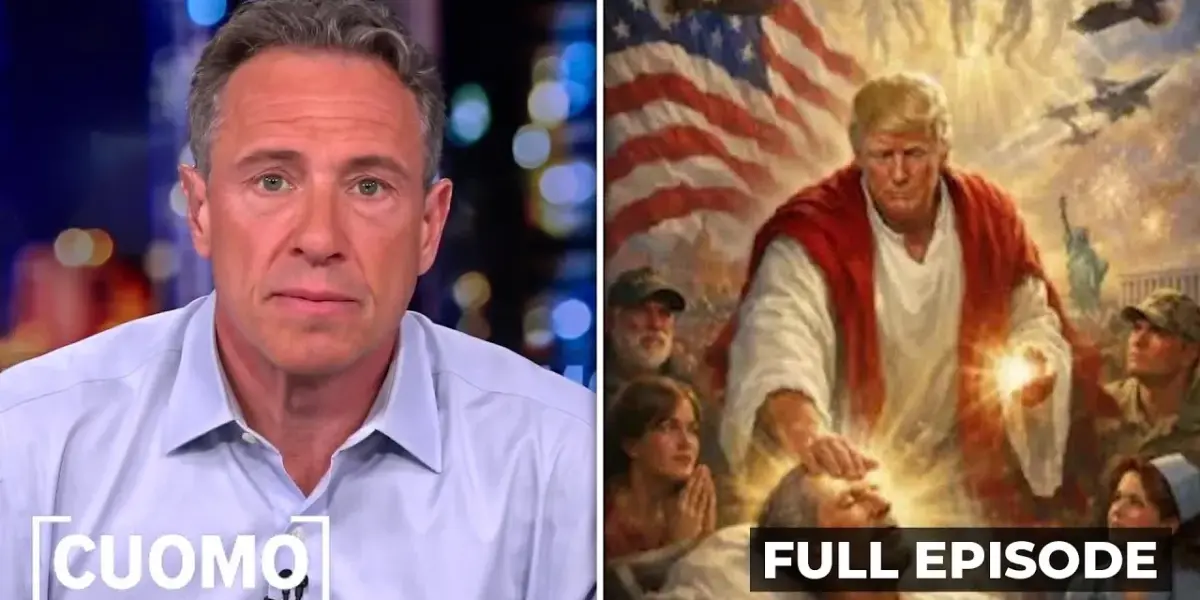
Iran Blockade Sparks Global Economic Fears
A tense standoff in the Strait of Hormuz is creating ripples across the global economy, with fears of $20 a barrel gas prices looming. The situation highlights how disruptions in this vital waterway can quickly escalate into international crises. The core of the issue is Iran’s control over the Strait, a narrow channel through which a significant portion of the world’s oil supply passes. Iran’s actions, including blockades, are seen as a way to exert pressure and disrupt global trade, especially targeting countries like China, which relies heavily on Iranian oil.
Key Players and Their Stakes
The United States finds itself in a complex position, seeking to counter Iran’s influence while avoiding a wider conflict. The transcript suggests that negotiations aimed at resolving the crisis have been hampered by a perceived lack of seriousness from the U.S. side. Critics point to the selection of negotiators, including Vice President JD Vance and a real estate investor, as lacking the necessary experience for such high-stakes talks. This is contrasted with the expertise of former diplomats and military officials who could have been involved.
Iran, facing economic pressure from sanctions, uses its control of the Strait as a bargaining chip. Its strategy appears to be a mix of economic warfare and calculated provocations, aiming to exploit divisions and weaknesses in its adversaries’ approaches. The recruitment of young people, even as young as 12, to fight for the homeland raises further concerns about the human cost of this conflict.
China is a major economic player here, as it receives a large percentage of its energy from Iran. Any disruption to this supply chain directly impacts China’s manufacturing and technological sectors, forcing it to seek alternative, potentially more expensive, energy sources. This dependence gives China a vested interest in the stability of the Strait.
Israel, according to the analysis, benefits from continued pressure on Iran and its proxies. Its focus remains on countering what it sees as Iranian threats in the region. The ongoing conflict provides an opportunity for Israel to maintain its security posture.
Economic Warfare and Diplomatic Missteps
The strategy of blockading the Strait is framed as a form of economic warfare. The idea is to cut off Iran’s oil revenue, which fuels its war efforts and support for regional proxies. However, this tactic also carries significant risks, including potential damage to international shipping and a surge in global oil prices. Experts debate the timeline for Iran’s economic collapse, with some predicting a halt to its energy industry within two weeks if pipelines back up, while others suggest a longer period of pressure is needed.
The diplomatic efforts to resolve the crisis are criticized for being insufficient. The selection of negotiators and the perceived distraction of key officials, such as attending a UFC fight during critical negotiations, are highlighted as major blunders. This has led to a breakdown in trust and a prolonged negotiation period, with a deal seemingly further away than ever.
Historical Context and Shifting Alliances
This situation echoes past tensions in the Middle East, where control of energy routes has been a recurring flashpoint. The Strait of Hormuz has been a strategic chokepoint for decades, and its security is crucial for global energy markets. The current crisis involves a complex interplay of national interests, regional rivalries, and international economic dependencies.
The analysis also touches on domestic political issues, including criticisms of President Trump’s public statements and his interactions with figures like the Pope. These domestic distractions are seen by some as overshadowing the more critical international developments, such as the Iran negotiations. The debate over character and leadership is implicitly linked to how effectively a nation can navigate complex geopolitical challenges.
Global Impact: Why This Reshapes the World Order
The ongoing events in the Strait of Hormuz have far-reaching consequences. A sustained blockade or military escalation could trigger a global energy crisis, impacting economies worldwide. It also tests the resolve of international alliances and the effectiveness of diplomatic tools in managing conflict. The situation underscores the fragility of global supply chains and the interconnectedness of international security and economic stability. The way this crisis is resolved, or not resolved, will likely influence future approaches to international diplomacy, sanctions, and the management of strategic waterways.
The discussion also brings up the idea of economic warfare as a primary tool, shifting focus from military confrontation. This approach aims to cripple a nation’s economy without direct military engagement, but it carries the risk of unintended consequences for the global economy and can prolong tensions.
Future Scenarios
Several future scenarios are possible. One is a diplomatic breakthrough, where a new deal is struck that addresses Iran’s nuclear program and regional activities, leading to de-escalation. Another is a prolonged period of tension and economic pressure, with intermittent disruptions in the Strait. A more dangerous scenario involves military escalation, which could have devastating consequences for the region and the global economy. The likelihood of each scenario depends on the decisions made by the key players, their willingness to compromise, and their ability to manage domestic and international pressures.
Source: Strait of Hormuz blocked, Trump v. pope, Stephen A. Smith and 'voice of NASA' | CUOMO Full Show 4/13 (YouTube)

Related Articles
Europe Builds Its Own NATO as Trump Threatens to Exit
As Donald Trump continues to threaten U.S. withdrawal from NATO, European nations are secretly planning their own defense alliance. This move reflects a growing desire for autonomy and a strategic pivot away from U.S. leadership. Meanwhile, Ukraine's military advancements and Saudi Arabia's reassessment of global ties further illustrate this changing international landscape.
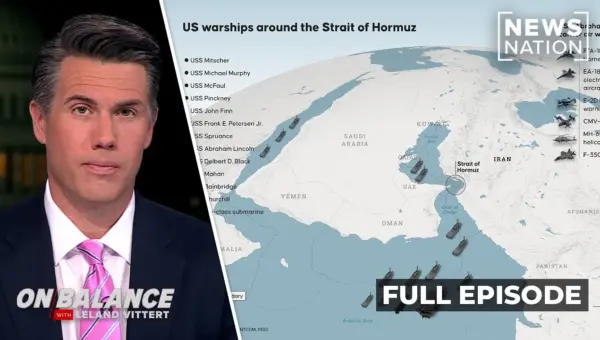
Iran Tensions Rise as US Blockades Ports
The US has imposed a naval blockade on Iran to cut off its funding, a move supported by most Americans in principle but not in practice due to economic costs. Meanwhile, internal Democratic Party struggles and a major scandal in California's gubernatorial race add to the political turbulence.
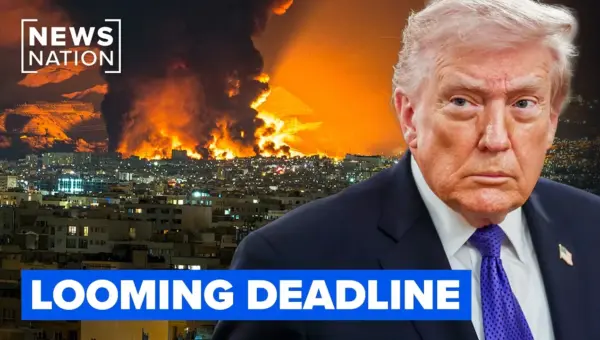
US Tightens Grip: Strait of Hormuz Blockade Puts Iran on Notice
The U.S. has implemented a naval blockade of Iran's ports, drastically reducing sea traffic through the Strait of Hormuz. Over 10,000 U.S. troops are involved in this operation, aimed at pressuring Iran back to the negotiating table. Despite Iran's defiant response, mediators remain optimistic about future talks.