Puck Dispute: Hughes Wants His Goal Puck Back!
Jack Hughes wants his golden goal puck back from the Hockey Hall of Fame, but the institution says it's not his to own. The dispute sparks debate about sports memorabilia and national pride.

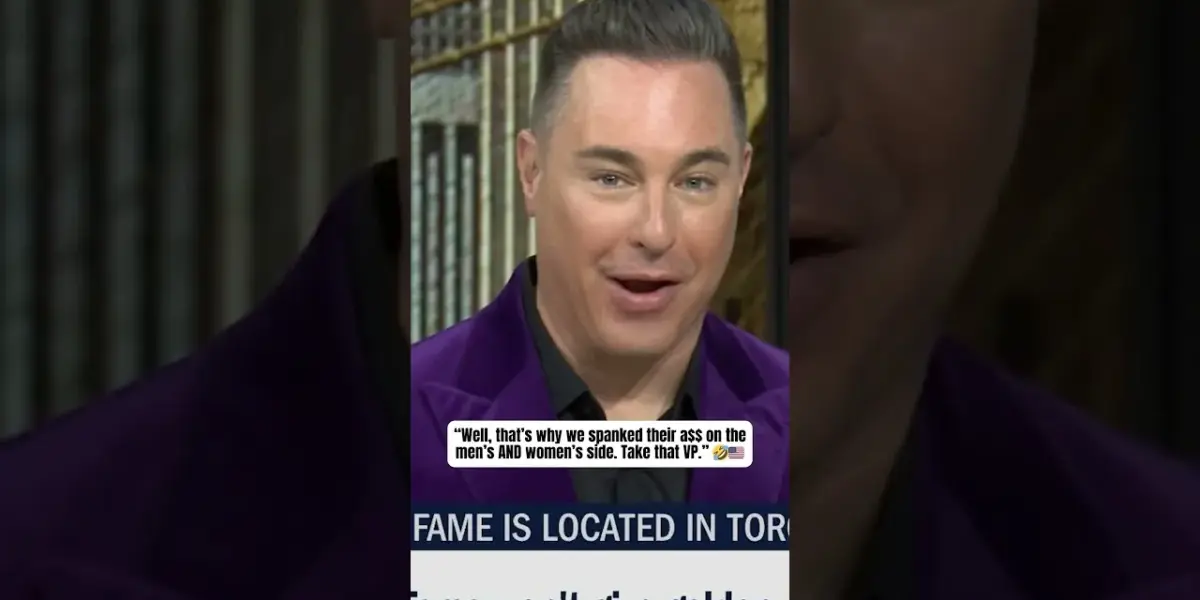
Hughes Demands Golden Goal Puck, Hall of Fame Says No
Jack Hughes is making waves, not on the ice, but in a dispute over a puck. He wants his golden goal puck back from the Hockey Hall of Fame in Toronto. Hughes feels the puck, which he scored with for a significant goal, belongs to him.
The Hockey Hall of Fame, however, disagrees. They state that the puck was never meant for private ownership.
A Matter of Ownership and Pride
The situation highlights a deeper conversation about what belongs to whom in the world of sports. Hughes expressed that while he’s honored the puck is on display, he believes it is rightfully his.
This sentiment is understandable for any athlete who achieves a milestone moment. The debate has sparked strong opinions about where the line is drawn between public display and personal possession.
The VP of the hall says, “Never Jack’s puck to own. Give the man the man lost a damn tooth.”
This quote from the Hall of Fame VP suggests a firm stance. It implies that while Hughes achieved something remarkable, the puck itself is not his to reclaim.
The mention of him losing a tooth during the game adds a layer of drama, emphasizing the physical toll and effort involved in such a moment. It’s a clear indication that the Hall views these artifacts as part of hockey history, not personal trophies.
Canada’s Hockey Identity Under Scrutiny
The discussion has also touched on Canada’s strong connection to hockey. The fact that the Hall of Fame is located in Toronto, Canada, adds a national element to the story.
Some observers feel this dispute reflects a shift in how hockey’s global dominance is perceived. It’s suggested that this isn’t just about a hockey puck, but about national pride and how Canada views its role in the sport.
This perspective suggests that the incident might be interpreted as a symbol. It could represent a moment where the traditional hockey powerhouse feels challenged.
The idea is that Canada’s long-held status at the top of the hockey world might be shifting. This makes the ownership of historical items like a game puck even more significant for national identity.
Analogies and Perspectives
To understand the situation better, consider a similar scenario in baseball. If a player hits a record-breaking home run and the ball lands in the stands, the fan who catches it often has the right to keep it.
This is because the ball, once in play, becomes part of the game’s action and can be claimed by anyone who legally obtains it. However, a puck used for a significant goal in a professional game, especially one that leads to a Hall of Fame induction, is often treated differently.
In the case of Jack Hughes and the Hall of Fame, the puck is seen as an artifact. It’s a piece of history that tells a story about a specific game and player achievement.
The Hall of Fame’s role is to preserve these items for the public to see and learn from. Therefore, their argument is that the puck serves a greater historical purpose than being a personal memento for the player.
Who Truly Owns the Puck?
The core question remains: who owns the puck? Hughes believes his effort and the significance of the goal grant him ownership.
The Hall of Fame believes its role as a custodian of hockey history gives it the right to possess such artifacts. The statement from the VP, “It wasn’t theirs,” is a direct challenge to the Hall’s claim, implying neither party has absolute ownership in the traditional sense.
This leads to the pointed remark, “Well, that’s why we spank their ass on the men’s and women’s side. Take that, VP.” This is a bold statement suggesting that on-ice performance is the ultimate form of dominance and validation.
It implies that the success of the men’s and women’s national teams in international play is the true measure of hockey supremacy. It’s a way of saying that while the Hall might control the physical puck, the actual skill and victories belong to the players and their nations.
Looking Ahead
This dispute over the puck is more than just a minor disagreement; it touches on the intersection of personal achievement, historical preservation, and national identity in the sport of hockey. While Hughes may not get his puck back, the conversation it has sparked is invaluable. It forces fans and institutions alike to consider the complex nature of sports memorabilia and legacy.
The ongoing debate highlights the emotional weight attached to significant sporting moments. Whether the puck ultimately remains with the Hall of Fame or finds its way back to Hughes, the story is a fascinating case study.
It shows how deeply intertwined sports, history, and personal pride can be. The next steps in this discussion will likely involve continued dialogue between Hughes’s representatives and the Hockey Hall of Fame to find a resolution that respects both the player’s accomplishment and the institution’s mission.
Source: Tell 'em! 🚫🇨🇦 (YouTube)

Related Articles

Masters Roars Back: McIlroy Defends, Baseball’s Big Spenders Clash
Rory McIlroy leads the Masters after round one, while baseball's highest-paid teams, the Mets and Dodgers, continue their spending spree. NBA star Joel Embiid faces surgery, and hockey player Jack Hughes shows incredible grit after a game-winning goal.

Stamkos, Crosby Make History as NHL Season Dazzles
Sidney Crosby made history, passing Mario Lemieux for the most points as a Pittsburgh Penguin. The NHL season also featured dazzling goals from Stamkos and Knies, and incredible saves by Aiden Hill and Ilya Sorokin, proving to be an absolute spectacle.


Hughes’ Golden Goal Fuels Olympic Glory and New Fame
Jack Hughes reflects on the life-changing impact of scoring the golden goal at the Winter Olympics. The monumental victory not only brought immense pride to USA Hockey but also propelled Hughes and his teammates into global stardom, while the ice remains their sanctuary for focus.