Trump’s ‘Likely Be More’ Remark Fuels Outrage and Hypocrisy Debate
Former President Trump's "likely be more" comment following the deaths of three U.S. service members in Iran has ignited a firestorm. Critics decry its perceived callousness and highlight a stark double standard compared to the outrage over Benghazi, questioning the sincerity of political empathy and the exploitation of tragedy for partisan gain.

Trump’s ‘Likely Be More’ Remark Fuels Outrage and Hypocrisy Debate
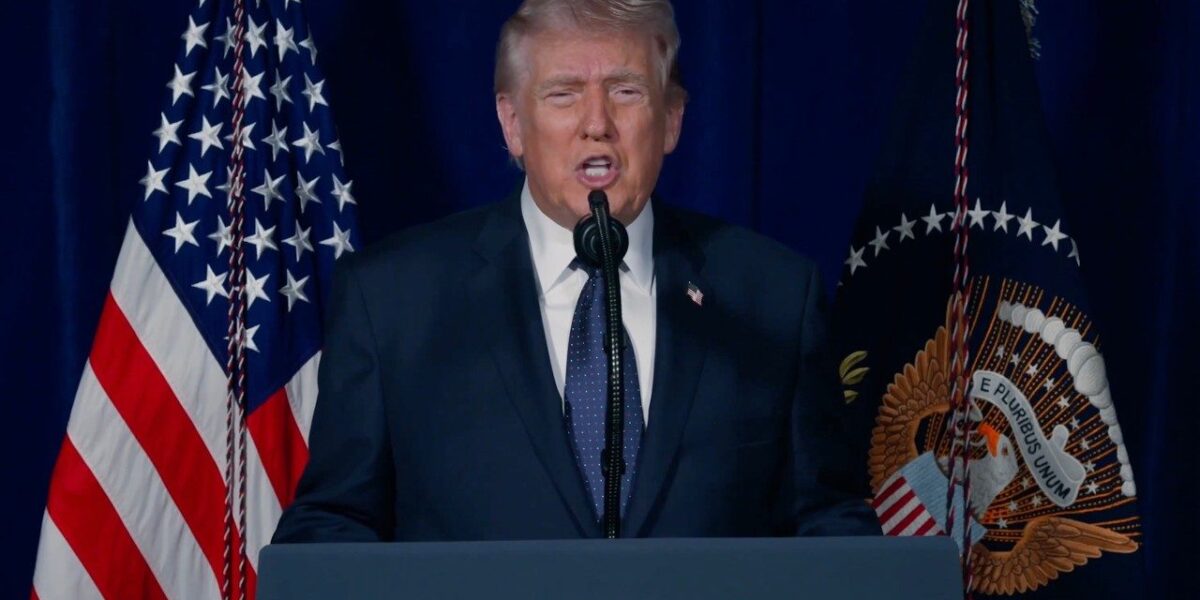
In the wake of a U.S. Military operation in Iran that resulted in the deaths of three American service members, former President Donald Trump’s public statement has ignited a firestorm of criticism. His assertion that “there will likely be more before it ends.
That’s the way it is. Likely be more” has drawn sharp rebukes, with critics decrying its perceived callousness and drawing stark contrasts with the political reactions to past tragedies, most notably the 2012 Benghazi attack.
The Statement and its Immediate Fallout
Following the announcement of the service members’ deaths by U.S. Central Command, Trump’s words, captured in a widely circulated cartoon and quoted directly, offered condolences but also a stark, fatalistic acknowledgment of potential future casualties. “Even as we continue the righteous mission for which they gave their lives, we pray for the full recovery of the wounded and send our immense love and eternal gratitude to the families of the fallen. And sadly, there will likely be more before it ends.
That’s the way it is. Likely be more,” he stated. This statement has been widely interpreted as dismissive of the ultimate sacrifice made by the service members.
A Tale of Two Tragedies: Benghazi vs. Current Events
The core of the criticism lies in the perceived double standard applied by political figures and media outlets, particularly on the right, when discussing American casualties. The video transcript highlights the intense and prolonged scrutiny of the Benghazi attack, which claimed the lives of four Americans.
For years, Republicans, including many prominent media personalities, used Benghazi as a focal point for criticism against Hillary Clinton and the Obama administration. The transcript notes the repeated accusations, the demands for accountability, and the framing of mishandling classified information and violations of the Espionage Act.
“I wonder if all those Republicans who spent the last decade clutching their pearls about Benghazi would have shrugged it off the same way they’re shrugging off Trump’s comments today. I think we all know the answer.”
In stark contrast, the current incident, resulting in three American deaths attributed to actions taken under Trump’s influence or decision-making, has been met with significantly less outcry from the same quarters. The transcript points out the muted reactions from Republican officials and media figures, with some offering only brief platitudes or emojis. Mike Walls’ tweet, “Freedom is never free,” accompanied by an American flag emoji, and Laura Ingraham’s simple “pray for our troops” are cited as examples of this subdued response, especially when compared to the extensive coverage and condemnation surrounding Benghazi.
The Exploitation of Death for Political Gain
The analysis suggests a pattern of using the deaths of Americans as a political weapon. The left, according to the transcript’s perspective, does not engage in the same level of exploitation of tragedy as the right, which is described as being “built to do exactly that to an unfathomable degree.” The Benghazi narrative, as portrayed, was a decade-long partisan project, whereas the current deaths seem to have been quickly relegated to the background noise of cable news cycles.
Promises vs. Policy: A Disconnect for Voters
Beyond the immediate reaction to the casualties, the commentary digs into a broader critique of Trump’s political platform and actions. His presidential mandate, the transcript argues, was centered on prioritizing American interests, lowering costs, and avoiding foreign entanglements. However, critics point to his initiation of trade wars that allegedly raised consumer prices, cuts to healthcare and food assistance programs, and, paradoxically, engagement in military actions in the Middle East.
The transcript contrasts Trump’s pre-election rhetoric – “I was in no wars other than we finished a war with ISIS and we completed it. 100% complete. Uh but I don’t want to see wars. I think it’s so horrible, so unnecessary, so costly in terms of lives and money…
I’m not going to start a war. I’m going to stop wars. No more wars, no more disruptions.
We will have prosperity and we will have peace under Trump. I am the candidate of peace.” – with the reality of American lives lost in conflicts he has been associated with.
The comparison to George W. Bush’s rationale for the Iraq War is drawn, questioning the fulfillment of his promise to end wars and focus on domestic prosperity.
The “Fish Rots From the Head” Argument
The transcript posits that the tone-deafness of Trump’s acolytes, such as Mike Walls and Laura Ingraham, directly reflects their leader’s approach. This “fish rots from the head” mentality suggests that the broader Republican party and its media allies are mirroring Trump’s perceived lack of empathy and his willingness to engage in foreign conflicts despite his campaign promises.
Voter Disillusionment and the Legacy of Trumpism
A significant portion of the analysis focuses on the potential disillusionment of Trump’s voter base. The argument is made that Trump’s actions in office—launching trade wars, cutting social programs, and engaging in foreign military actions—have not aligned with the promises made to his supporters, particularly regarding affordability and domestic focus. The transcript suggests that these voters receive “nothing that was promised” while their benefits are cut, and tax dollars are spent on overseas conflicts.
The underlying accusation is that Trump’s primary motivations are self-interest, his family business, and his personal legacy, rather than the well-being of his constituents. The entire Republican apparatus is accused of enabling this behavior, prioritizing partisan loyalty over the interests of the people who elected them.
The Broader Implications for Media and Politics
The transcript also touches upon the role of media ecosystems and the potential for censorship in the current political climate. The author expresses concern about the longevity of independent media voices, citing the power of social media platforms to suppress critical coverage at the behest of the administration. This highlights the importance of direct communication channels, such as newsletters, for reaching audiences independently.
Why This Matters
This incident and the subsequent analysis highlight critical issues concerning political accountability, the role of empathy in leadership, and the manipulation of public discourse. The stark contrast drawn between the reactions to Benghazi and the current event raises serious questions about the sincerity of political outrage and the selective application of moral standards.
It forces a re-examination of whether politicians and media figures genuinely care about the loss of American lives or if such tragedies are merely convenient tools for partisan warfare. It prompts voters to critically assess whether their elected officials are truly representing their interests or pursuing a self-serving agenda, particularly when campaign promises diverge sharply from policy actions and when significant financial resources are directed towards foreign interventions instead of domestic needs.
Future Outlook
The trend of highly polarized reactions to national tragedies, fueled by partisan media, is likely to persist. The “us vs. Them” mentality in political discourse often overshadows nuanced discussion and genuine empathy.
As elections approach, the willingness of political actors to exploit any event for electoral advantage, regardless of its gravity, remains a significant concern. The potential for suppression of dissenting voices in the digital sphere adds another layer of complexity to the landscape of political communication and public awareness.
Source: Trump drops DISGUSTING announcement about Iran bombing (YouTube)

Related Articles
Trump Delays China Trip Amid Mideast War, Trade Tensions
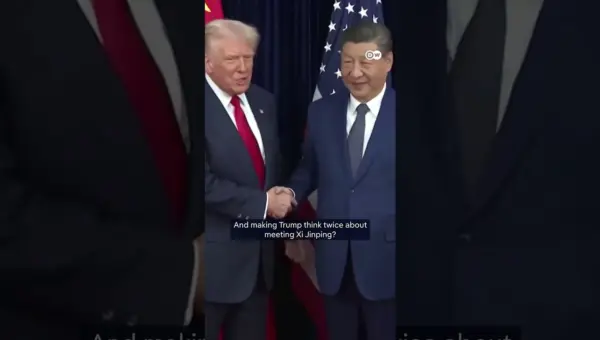
Former President Donald Trump has postponed a planned trip to China, citing the ongoing Middle East war as a key reason. The conflict is impacting the US economy more severely than China's, altering the global power dynamic. Trade disputes over tariffs and agricultural purchases remain the central issue between the two nations.
Cuban Exiles Fear Trump’s ‘Take Control’ Threat
Cuban exiles are expressing deep concern over former President Donald Trump's recent remarks about potentially "taking control" of Cuba. The comments come as the island nation faces severe shortages of electricity and fuel, drastically impacting daily life for its citizens. Many fear renewed U.S. intervention could worsen the humanitarian crisis.

EU Rejects Trump’s Iran War Demands, Cites Illegality
European leaders have firmly rejected calls to join the United States in a war against Iran, citing illegality and lack of justification. The EU's stance directly challenges President Trump, who has urged NATO allies to provide naval support. The conflict's economic fallout is being felt across Europe, with rising energy prices impacting member states.