Gulf States Caught in US-Iran Crossfire, Seek Stability
Gulf states are caught in the escalating US-Iran conflict, facing violations of sovereignty and national security threats. Leaders express a strong desire for stability and economic prosperity, contrasting with the unfolding scenes of regional instability.

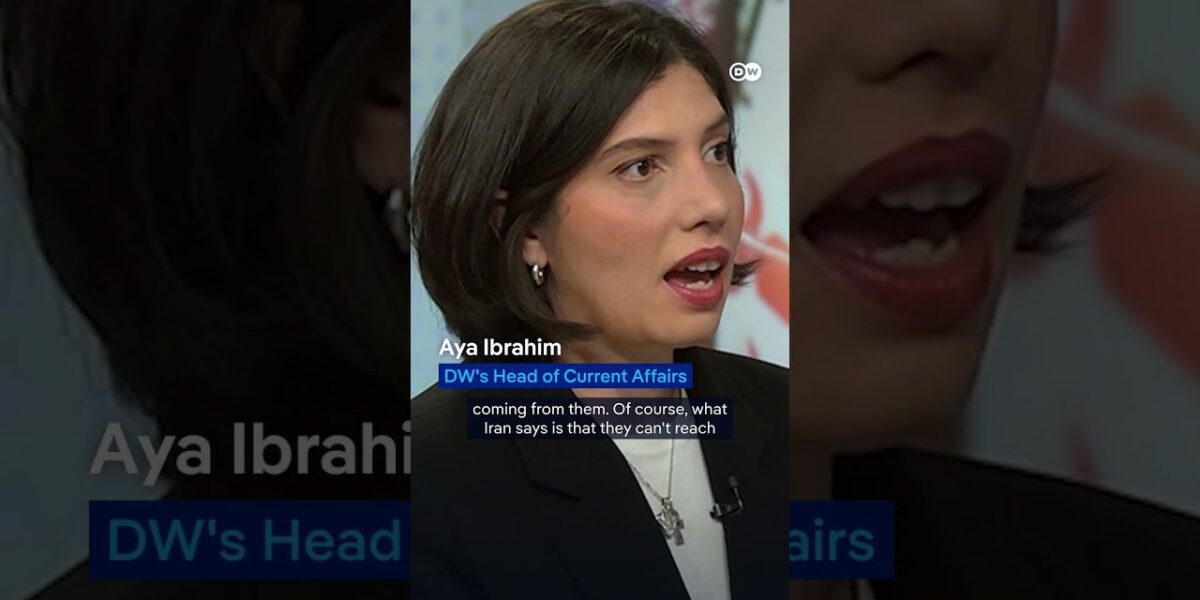
Gulf States Navigate US-Iran Tensions Amid Regional Instability
The delicate geopolitical balance in the Persian Gulf is being severely tested as Gulf states find themselves increasingly caught between the escalating tensions of the United States and Iran. While often viewed as a unified bloc, the Gulf Cooperation Council (GCC) nations exhibit a spectrum of relationships with Tehran, ranging from strategic alignment to deep-seated animosity. This intricate web of alliances and rivalries is now being strained by recent military actions, forcing regional leaders to confront the devastating implications of a conflict they desperately wish to avoid.
Varying Degrees of Closeness: Oman and Qatar’s Stance
The Gulf states are far from a monolith when it comes to their engagement with Iran. Countries like Oman and Qatar have historically maintained relatively cordial relations with Tehran, facilitating diplomatic channels and seeking to de-escalate regional conflicts.
Oman, in particular, played a key role as a mediator in diplomatic talks between the US and Iran concerning the nuclear file, striving to secure concessions until recently. This pragmatic approach underscores a broader desire among some Gulf nations to foster stability and economic prosperity, even while navigating complex geopolitical currents.
Saudi Arabia, Bahrain, and Kuwait: Rising Tensions
In contrast, nations such as Saudi Arabia, Bahrain, and Kuwait experience significantly higher degrees of tension with Iran. Historical grievances, ideological differences, and perceived security threats contribute to a more adversarial relationship. These countries have been particularly vulnerable to the recent escalations, finding themselves directly targeted or caught in the periphery of retaliatory strikes.
Leaders’ Plea for Stability Amidst Security Threats
The broad sentiment among Gulf leaders is a profound aversion to the escalating violence. The images of conflict unfolding in the skies over major cities like Dubai, Manama, and Abu Dhabi, and potentially even Doha, are deeply unsettling for nations that prioritize stability and economic growth.
These countries had barely had time to process the implications of the US-Israeli strike on Iran before they themselves came under fire. The subsequent condemnations and expressions of fury from these nations highlight the severe impact these actions have on their national security and sovereignty.
“No Gulf leader wants to see the scenes that we’ve been seeing over the skies of Dubai, of Manma, of Abu Dhabi and certainly not over Doha. These are countries that want stability. They want economic prosperity.”
Iran’s Perspective and the US Personnel as Targets
From Iran’s standpoint, the narrative is framed around the perceived inability of the US to conduct strikes without reaching them. In retaliation for strikes on Israel, Iran views the approximately 40,000 US personnel stationed across the region as legitimate targets. This retaliatory strategy directly implicates the host nations, turning their territories into potential battlegrounds and exacerbating existing security concerns.
Violations of Sovereignty and National Security Concerns
For the leaders of the Gulf countries, these military actions represent not only violations of their sovereignty but also existential threats to their national security. The unprecedented mayhem witnessed in the region directly contradicts the carefully cultivated image of stability and progress that these nations have worked for decades to project internationally. The stark contrast between their desired global perception and the reality of conflict unfolding on their doorstep presents a significant challenge to their leadership and long-term strategic goals.
The Economic and Social Impact
Beyond the immediate security concerns, the ongoing conflict poses a significant threat to the economic stability and social fabric of the Gulf states. These nations rely heavily on foreign investment, tourism, and international trade, all of which are highly sensitive to regional instability. The disruption of trade routes, the potential for infrastructure damage, and the general climate of fear can have devastating long-term economic consequences, jeopardizing the ambitious development plans that many of these countries have embarked upon.
Future Outlook: A Call for De-escalation
As the situation continues to evolve, the immediate focus for the Gulf states will be on de-escalating tensions and finding pathways back to diplomatic solutions. Their ability to exert influence on both the US and Iran, leveraging their unique diplomatic relationships and economic leverage, will be crucial. The coming weeks and months will be critical in determining whether the region can pull back from the brink of wider conflict and restore the stability that is so vital for its continued prosperity and security.
Source: Caught in the crossfire: The Gulf states between the US and Iran | DW News (YouTube)

Related Articles


US Policies Are ‘Ballast’ Amid Global Uncertainty
American policies are acting as a crucial stabilizing force, or 'ballast,' amidst heightened global geopolitical uncertainty. Efforts to prevent Iran from acquiring nuclear weapons are highlighted as vital for future economic and energy security, especially concerning the Strait of Hormuz.

Trump’s Iran Claims Spark Outrage as Gas Prices Soar
Jen Psaki has accused Donald Trump of gaslighting the public on Iran policy and economic issues, stating Americans are aware of their financial struggles. Meanwhile, a controversial nominee favored by Trump for Homeland Security has suggested bringing back dueling for Senate disputes, and Texas primaries are marked by intense, "dirty" campaign ads.


Middle East Stability Faces New Risk as Iran Escalates Tensions
Tensions are rising in the Middle East as Iran's neighbors signal a shift away from friendly relations due to recent missile launches. This could impact regional stability and the crucial Strait of Hormuz.