Iran’s Leaders Locked in Bitter Feud, Analyst Reveals
Iran's leadership is deeply divided and struggling to make decisions under U.S. pressure and economic sanctions. Analyst Cheyenne Shami believes the U.S. holds the upper hand, and Iran faces difficult choices that could lead to internal purges or regime collapse.

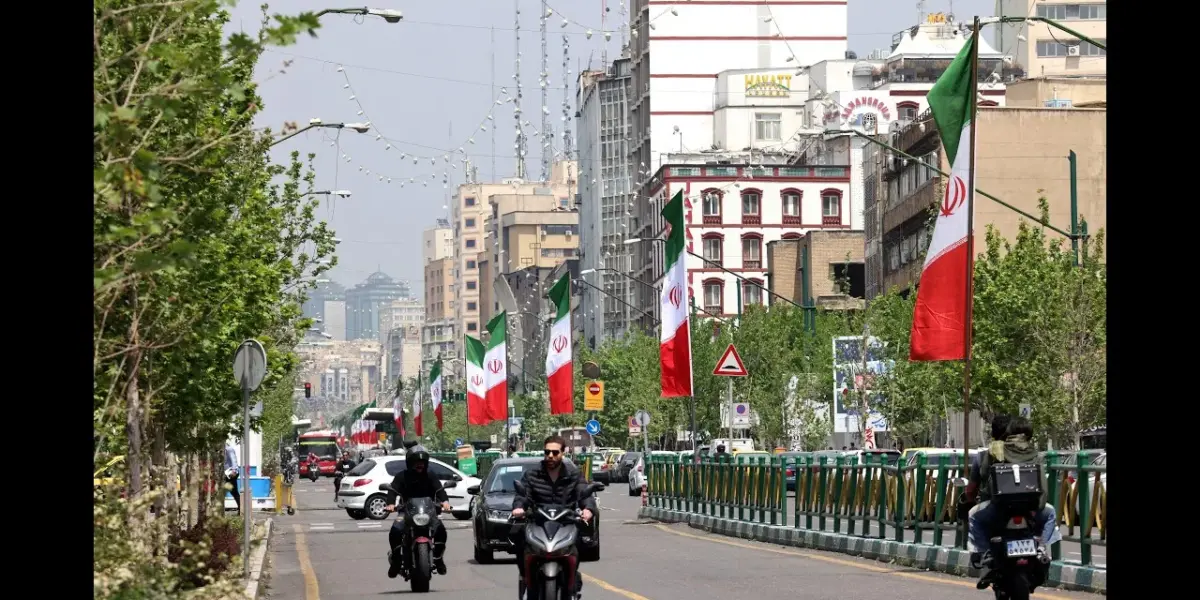
Iran’s Leadership Fractured Amidst US Pressure
President Trump’s decision to extend a ceasefire with Iran, contingent on the regime proposing a deal, signals a strategic move to force the Iranian government’s hand. Middle East analyst Cheyenne Shami explains that this approach leverages economic pressure, specifically a blockade costing Iran roughly $500 million daily. By keeping military options open while favoring diplomacy, the U.S. aims to compel Iran towards negotiations, even offering to send the Vice President for talks.
However, the core issue remains Iran’s internal divisions, which prevent a unified stance. Shami suggests the U.S. is using the economic blockade as a powerful tool to enforce tough measures against the regime.
US Holds Strong Hand in Standoff
The pressure on Iran is significant, but the regime views U.S. demands not as operational requests but as a call for surrender. This perspective stems from their adherence to religious beliefs, making them resistant to what they perceive as capitulation.
They are hoping to find a middle ground, but the United States is firm on key issues. These include Iran’s nuclear program, long-range ballistic missiles, control of the Strait of Hormuz, and Iran’s recognition of Israel.
Iran’s counter-demands, such as the removal of all sanctions and guarantees against further military activity, are unlikely to be met by the U.S. Both sides are waiting for the other to back down first, but the U.S., having the upper hand due to its military campaign’s success, is expected to dictate terms.
Internal Power Struggles Cripple Iran’s Government
President Trump has described the Iranian regime as seriously fractured, and Shami confirms this internal turmoil. The Islamic Revolutionary Guard Corps (IRGC) effectively runs the country, with its commander, Ahmed Vahidi, seeking ultimate power. Competing with him are hardliners like Supreme National Security Secretary Muhammad Berad, who opposes talks with the U.S., and Parliament Speaker Galibbuff, who has a troubled past involving crackdowns on students.
Even the Iranian President has been sidelined by the IRGC and Parliament Speaker. This internal conflict creates immense uncertainty, preventing the government from making clear decisions. For example, there’s fear that officials like Galibbuff might be targeted by the IRGC en route to diplomatic meetings, with blame possibly shifted to Israel.
Ceasefire Benefits US Military Buildup
The current ceasefire primarily benefits the United States, allowing it to regroup and strengthen its military presence in the region. The U.S. has already deployed an additional naval strike group, increasing its armada.
In contrast, Iran has not been able to advance its nuclear capabilities or significantly strengthen its ballistic missile arsenal. The daily attacks from Iran against regional countries have also dwindled, indicating a weakening military capacity.
The economic blockade continues to cripple Iran, forcing them to seek ways around it. Their demand to end the blockade before any talks reflects a desire to restore their economic well-being, a move the U.S. is unlikely to accept at this time.
Iran Faces Three Difficult Paths Forward
Iran essentially faces three difficult choices. The first is to agree to U.S. terms, which would likely lead to a power struggle within the regime, with one faction eliminating the other. The second is to use delay tactics, hoping to buy more time, but the U.S. may not tolerate further stalling.
The third option is to reject negotiations and opt for war. Both delay and war are seen as detrimental to Iran.
Shami believes that the most probable outcome is Iran agreeing to some terms to save face, potentially including discussions about a transition to a democratic government. However, any path ultimately risks the collapse of the current regime.
Analyst Predicts Internal Purge Over Negotiation
When asked about which path Iran might take, Shami’s gut feeling points to the first option: agreeing to terms to save face. This would involve internal concessions and likely lead to one faction within the leadership being eliminated by the other. Such an internal purge could then enable further discussions with the U.S. or even a popular uprising as citizens realize the regime’s ineffectiveness.
Source: Extreme Infighting Happening In Iranian Leadership: Middle East Analyst (YouTube)

Related Articles

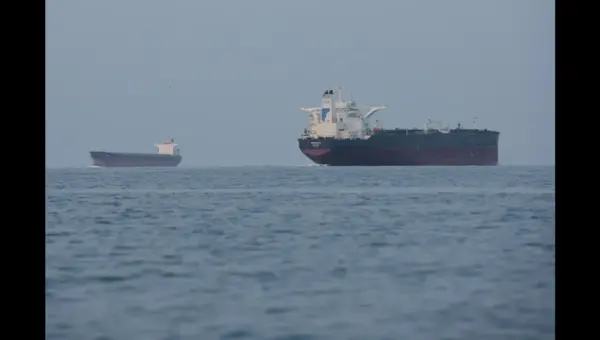
US Iran Tactic Signals New War Game for China
The US actions against Iran, including military and economic pressure, may be a test for a potential conflict with China. Observers suggest this strategy could be a rehearsal for blockading China's maritime lifelines. Leaders in the Indo-Pacific are watching these developments closely.

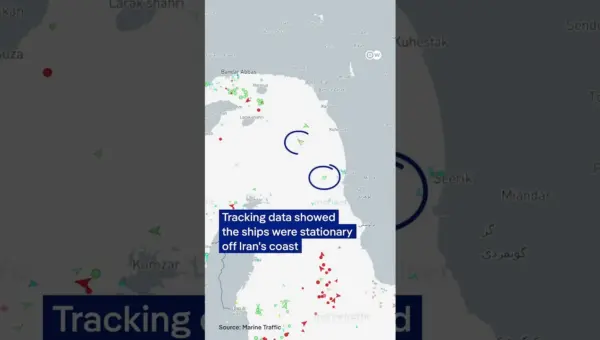
Iran Seizes Ships in Strait of Hormuz Amid Tensions
Iranian soldiers have seized two container ships in the Strait of Hormuz, a vital global shipping lane. Footage aired by state television shows the military operation amid heightened regional tensions. The incident raises concerns about maritime security and potential disruptions to international trade and energy supplies.


GOP Pushes to Fund ICE, Border Patrol Amidst Global Tensions
Congressional Republicans are working to pass a reconciliation bill to fund ICE and Border Patrol, facing a May 15th deadline. Congressman Ralph Norman emphasized the urgency and financial cost of delayed funding. The discussion also covered U.S. policy towards Iran and concerns about "birth tourism" loopholes.