China, Russia, Iran: Nations Wage Digital War on UK
Britain is facing growing cyber threats from nations like China, Russia, and Iran. These state-sponsored attacks are becoming more sophisticated and pose a risk to critical infrastructure. The UK is investing in AI defenses and urging tech companies to help build stronger digital security.

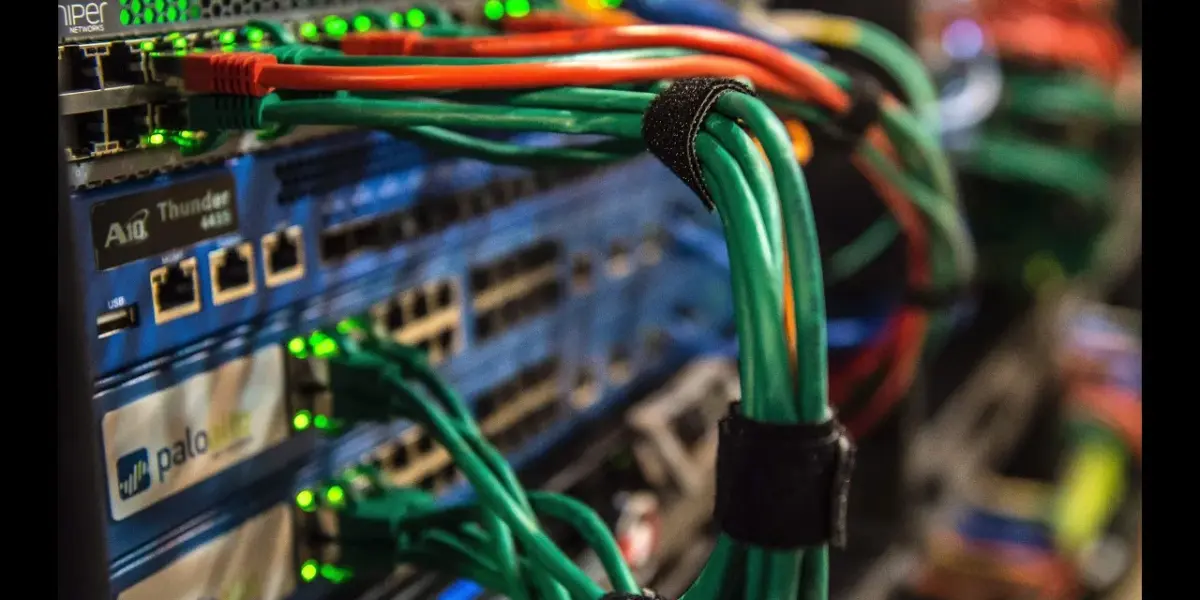
Nations Wage Digital War on the UK
Britain faces a serious and growing cyber threat. This danger now comes not just from criminals, but from other countries.
The head of the UK’s National Cyber Security Centre, Richard Horne, stated that the nation is already handling several large cyber problems each week. He warns that these threats are likely to increase.
China is becoming a major digital rival. Its intelligence and military groups show incredible skill in their online actions. This skill, along with a government-wide strategy, means Britain faces a powerful opponent in cyberspace, not just a capable one.
Nation-State Attacks Rise
The most serious online attacks are already linked to countries like Iran and Russia. These links grow stronger as global tensions rise and cyber threats become more advanced. While ransomware and common hacking remain problems, attacks connected to nation-states are the biggest worry.
British officials warn that major conflicts could bring large-scale cyber attacks. These attacks could cripple important services like power grids and hospitals. Unlike ransomware, where paying a fee might restore systems, these state-sponsored attacks could leave recovery impossible.
Building Stronger Defenses
In response, the UK government is asking tech companies for help. They want companies to create better defenses using artificial intelligence, or AI. This partnership aims to build stronger digital walls against these advanced threats.
The government is also investing a lot of money to protect key systems and businesses. Hundreds of millions of pounds are being set aside for new security measures. This funding shows how seriously the UK is taking the rising digital danger.
Why This Matters
This warning highlights a significant shift in global security. Cyber warfare is no longer a distant possibility but a present reality.
The UK’s focus on state-sponsored threats suggests that digital conflicts are becoming as important as traditional military ones. This trend could change how countries interact and prepare for future crises.
Historical Context
Cyber threats have evolved rapidly over the past two decades. Initially, hacking was often seen as the work of individuals or small groups. However, with increased reliance on digital systems for everything from finance to infrastructure, nations recognized the strategic value of cyber capabilities.
This led to the development of sophisticated state-sponsored hacking programs. The current warning from the UK is a continuation of this long-term trend toward weaponizing cyberspace.
Implications and Future Outlook
The implications of these rising nation-state cyber threats are far-reaching. Critical infrastructure, such as energy, transportation, and healthcare, could be targeted, causing widespread disruption.
Economic stability could be threatened by attacks on financial systems or intellectual property theft. The UK’s call for AI-powered defenses suggests a future where cybersecurity relies heavily on advanced technology to detect and counter threats in real-time.
This situation demands international cooperation and clear rules of engagement in cyberspace. Without them, the risk of escalation and miscalculation increases.
The UK’s proactive stance, including increased funding and calls for industry partnership, sets a precedent for other nations facing similar challenges. The next few years will likely see a significant increase in both offensive and defensive cyber capabilities globally.
Source: UK Warns of Rising Cyber Threats From China, Russia, Iran (YouTube)

Related Articles


China Threatens Retaliation Over EU’s Cybersecurity Crackdown
The EU's proposed cybersecurity law aims to remove Chinese tech companies from critical 5G networks, prompting a strong warning from Beijing about potential retaliation. This move highlights growing global tensions over technology and national security.


China Cracks Down Hard Amidst Rising Unrest
China is facing a surge in public protests and acts of desperation. In response, the Chinese Communist Party is tightening control over the internet and intensifying surveillance. New laws and technologies are being used to monitor citizens and prevent dissent, signaling growing government fear.


AI Race: Nations Clash Over Tech’s Future
Nations are divided on AI's future, with China embracing it for progress while the West fears its risks. Cybersecurity expert Rex Lee explains how this difference impacts national security and warns of AI's weaponization. He calls for tech leaders to take responsibility and suggests solutions like an electronic bill of rights.