Trump’s Approval Plummets to New Lows Amidst War and Economic Woes
Recent polls indicate a sharp decline in Donald Trump's approval ratings, with some figures dipping below his post-January 6th numbers. This drop coincides with rising gas and food prices and ongoing conflict in Iran, fueling public discontent. Despite attempts to manipulate election maps, voter-led initiatives in states like California and Virginia are pushing back against gerrymandering.

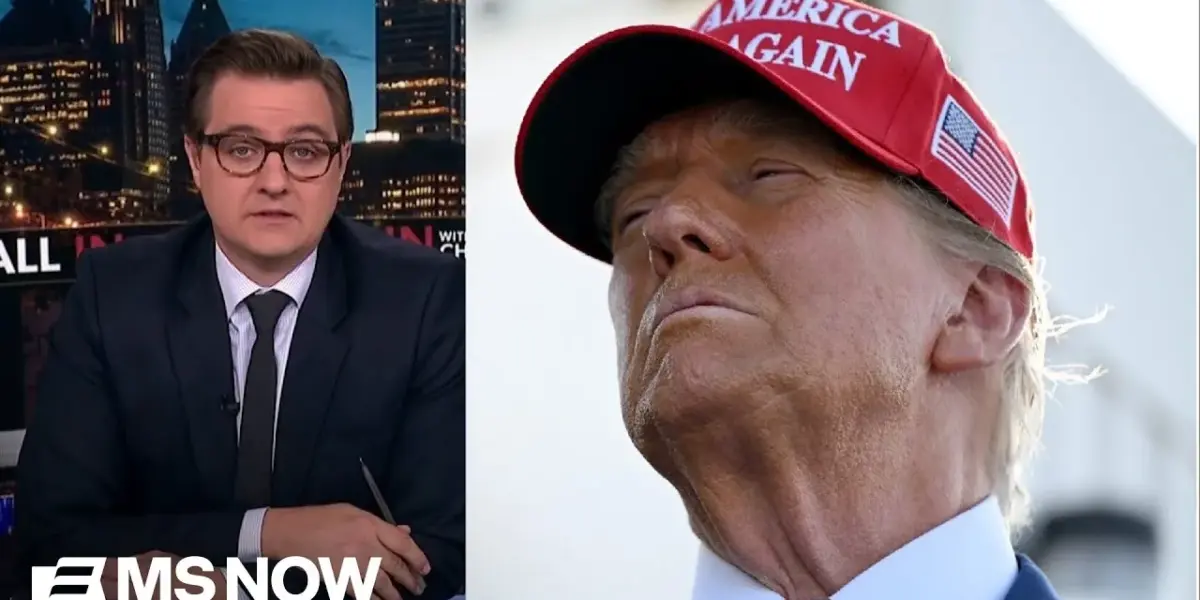
President’s Popularity Drops Sharply, Approaching Post-Jan. 6 Levels
Donald Trump’s presidency is facing a significant downturn in public approval, with recent polls showing his support at levels nearing or even surpassing his lowest points, including the aftermath of the January 6th Capitol riot. This decline comes amidst a backdrop of escalating international conflict and rising domestic economic pressures, raising questions about the stability of his political standing.
Nationwide Polls Show Steep Decline in Support
Multiple national surveys released within a 24-hour period reveal a troubling trend for the president. The Economist and YouGov reported Trump’s approval at 38 percent, the highest among the surveyed polls. However, other reputable sources indicate a steeper fall: an NBC News SurveyMonkey poll placed his approval at 37 percent, with half of respondents strongly disapproving.
Reuters Ipsos showed 36 percent approval, while Angus Reed and Veracity polls found support at 35 percent. The Associated Press and NRRC reported an even lower 33 percent, and Arg Poe concluded with 32 percent. These numbers collectively suggest a significant portion of the electorate is dissatisfied with his performance.
Comparing Current Numbers to January 6th Aftermath
For context, during the immediate aftermath of the January 6th Capitol insurrection, Trump’s approval rating stood at 34 percent. Current figures, in some instances, dip below this critical benchmark. This comparison is particularly striking, as it suggests his current unpopularity rivals a period marked by widespread national crisis and condemnation following his actions to overturn election results.
“When the favorability numbers begin regularly starting with a three, that’s when the wheels start coming off the whole political project.”
Chris Hayes
War in Iran and Economic Fallout Fuel Public Discontent
Adding to the political pressure, the nation is grappling with an ongoing conflict in Iran. The Secretary of the Navy, John Phelan, was recently fired by Secretary of Defense Pete Hegseth.
This move occurred while the U.S. Navy maintains an active blockade in the region, directing significant naval assets to the Persian Gulf. The firing follows closely on the heels of the Army Chief of Staff’s dismissal just three weeks prior.
Rising Gas and Food Prices Exacerbate Economic Hardship
The conflict has had tangible effects on the U.S. economy, most notably through soaring gas prices. Nationwide averages have climbed to over $4 per gallon, a nearly dollar increase from the previous year. This surge in fuel costs is impacting household budgets across the country.
Food prices have seen a significant rise, with Bloomberg reporting an almost 8 percent year-over-year increase in the cost of groceries last month alone. These economic hardships directly affect Americans and contribute to broader dissatisfaction.
Election Map Rigging Attempts Fail to Sway Voters
In an effort to strengthen Republican chances in the upcoming November midterms, the Trump administration pursued controversial redistricting strategies. These attempts to manipulate electoral maps in states like North Carolina and Texas aimed to create more favorable conditions for Republican candidates. However, these efforts have largely backfired.
California and Virginia Voters Push Back Against Gerrymandering
Voters in California and Virginia have taken matters into their own hands, passing initiatives to redraw their own congressional maps. California voters overwhelmingly supported rewriting their state’s maps to be more favorable to Democrats, effectively countering the moves made in Texas.
Similarly, Virginia residents ratified a referendum at the polls to reform their redistricting process. While some legal challenges are pending in Virginia, the initial outcomes suggest these voter-led initiatives could lead to Democrats gaining as many as four new House seats.
Anti-Trump Messaging Proves Effective in Key Elections
The Democratic Party’s campaign strategy in the closing stretch of recent elections heavily featured anti-Trump messaging. Advertisements explicitly warned against the consequences of a second Trump term, highlighting potential cuts to healthcare and education, the firing of federal workers, and the perceived harm to citizens.
The message also focused on Trump’s alleged attempts to rig elections to retain power. This strategy, though sometimes resulting in narrow victories, proved effective in mobilizing voters and achieving key electoral wins, such as the Virginia referendum.
White House Defends President’s Limited Campaign Involvement
Despite criticism from some Republicans regarding the president’s limited campaigning against the new electoral maps, the White House has defended his actions. Acknowledging the president’s busy schedule, officials stated that he did participate in a phone call the night before the election.
However, they maintain that his position on the election results has been made clear. With nearly three years remaining in his term and the midterms still months away, the political landscape remains fluid.
Looking Ahead: Continued Volatility Expected
The coming months will likely see continued political volatility. The president’s low approval ratings, coupled with ongoing economic challenges and international tensions, create a precarious environment. The effectiveness of anti-Trump messaging in future elections and the outcomes of pending legal challenges regarding redistricting will be crucial factors to watch as the political climate continues to evolve.
Source: ‘The wheels are coming off’: Trump already less popular than after Jan. 6 (YouTube)

Related Articles
Trump’s Approval Dips Amid Election Fraud Claims, Experts Question Leadership
Concerns are mounting over Donald Trump's declining approval ratings and his challenges to election results. Experts question his leadership and fitness for office, pointing to potential national security risks and a focus on personal gain over public service. The upcoming elections will be crucial in addressing these deeply rooted issues.

Red States Revolt: GOP Lawmakers Defy Trump’s Power Grab
Republican lawmakers in Indiana are pushing back against Donald Trump's demands for redistricting, prioritizing voter concerns and avoiding potential electoral losses. This defiance signals a growing trend of state-level GOP officials asserting their independence from Trump's influence, potentially reshaping the party's future direction.

Tucker Carlson Apologizes for Trump’s Election, Signals MAGA Rift
Prominent media figure Tucker Carlson has publicly apologized for his role in electing Donald Trump, signaling a major rift within the MAGA movement. His statements suggest a deep personal conflict and a potential strategic shift as he distances himself from Trump, sparking debate over his true motives and the future of conservative politics.