Russia Poses Greater Threat Post-Ukraine War, Expert Warns
A new report warns that Russia may become more dangerous and unpredictable after the war in Ukraine, potentially ushering in a new era of confrontation with Europe. Despite military and economic weakening, Russia's vast resources, strategic mindset, and China's support contribute to its continued threat. Europe faces a critical period of vulnerability as it works to bolster its defenses and adapt to this evolving security landscape.

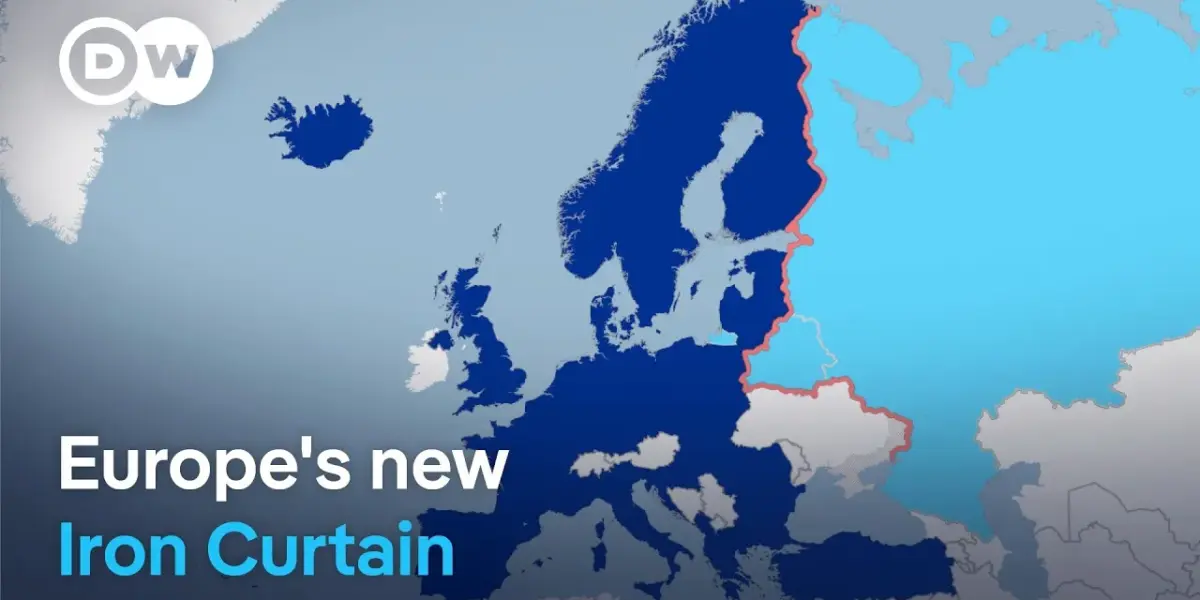
Europe Faces New Era of Confrontation with Russia
Even as global attention focuses on other conflicts, the war in Ukraine continues to shape Europe’s security for decades. A new report suggests that regardless of the war’s outcome, Russia may emerge not weakened, but more dangerous and unpredictable.
This outlook points to Europe entering a new era of confrontation with Russia, with some analysts comparing the situation to a new Iron Curtain. The growing tension zone stretches from the Arctic, along Russia’s border with NATO countries like Finland, through the Baltic states, and down to the Black Sea.
Borders in this region are becoming more defined, and militaries are being strengthened. Both sides are preparing for a long-term rivalry and potential conflict. The concern is that while other events draw attention, this divide is becoming more deeply set and increasingly perilous.
Eugene Rumor, director of the Russia and Eurasia program at the Carnegie Endowment for International Peace, authored the report. His work, titled “Belligerent and Beleaguered Russia After the War with Ukraine,” argues that Russia will be weaker but more dangerous after the conflict.
Russia’s Weakness and Growing Danger
It is difficult to see how Russia will be stronger or better off after the war. The conflict has resulted in significant losses, with estimates of over a million killed and wounded.
Hundreds of thousands of skilled and enterprising Russians have left the country to avoid military service. The Russian economy has been cut off from key parts of the global economy, essentially becoming a state-controlled entity.
Before the war, Europe did not view Russia as a major existential threat. However, the war has prompted European nations to rearm and now consider Russia their number one threat. This shift indicates Russia is not in a better position following the war.
Despite this weakening, the report argues Russia is becoming more dangerous. This is partly due to Ukraine turning into an implacable adversary, leading to daily drone and missile attacks on Russia.
Loss of Strategic Depth and Historical Context
NATO now includes Finland and Sweden, placing the border between Russia and the alliance directly on the doorstep of Russia’s historical heartland. Russian national security decision-makers may find this situation intolerable.
Historically, Russia has relied on “strategic depth” – the territory between its core lands and powerful neighboring countries – for security. This buffer zone, which included countries like those in the Warsaw Pact, Belarus, and Ukraine, has now disappeared.
Cities within Russia, even east of Moscow, are now subject to daily attacks. For example, the city of Tsinov, southeast of Russia, was recently hit by 11 Ukrainian drones. This reality does not contribute to Russia feeling more secure.
The analysis suggests this dangerous trajectory holds true regardless of whether Russia wins, loses, or the war continues. Russia remains militarily and economically weakened, yet its perceived danger to Europe continues to increase.
Russia’s Enduring Resources and Mindset
The current situation can be seen as a return to the historical norm of hostile relations between Russia and Europe. For centuries, Russian foreign policy in Europe has aimed to acquire more territory for physical security.
Now, having lost this margin of safety, Russia is likely to seek ways to regain it in future conflicts. This raises the question of how a weakened Russia, potentially still involved in the Ukraine war, can afford or manage further aggression.
However, Russia remains an immensely wealthy country with vast resources, despite recent setbacks. It still possesses the largest military in Europe and a militarized economy supported by China.
China is providing significant equipment deliveries to Russian defense industries. This combination of a determined mindset, extensive resources, a population that largely accepts the war, and committed leadership makes Russia a more dangerous and insecure adversary.
Europe’s Response and Vulnerability
The extent of Russia’s future actions will largely depend on Europe’s and the United States’ response to this new situation. The war in Ukraine is not expected to end decisively like World War II or World War I.
Instead, it may become a frozen conflict or a ceasefire, after which both sides prepare for further confrontation. The critical question is whether Europe will be ready and willing to engage in this competition and strengthen its defenses against potential Russian aggression.
European and NATO countries are indeed increasing defense spending and military readiness. This is partly due to the perception of the United States becoming less reliable and Russia posing an active threat.
While this is an encouraging sign of Europe adapting to a new reality, much more needs to be done. It is not just about funding; it is also about changing mindsets and preparing European populations for the new threat environment.
The Immediate Danger Zone
Europe is currently considered vulnerable. While a direct Russian attack on another European country, like its Baltic neighbors, is considered a low probability, it cannot be ruled out.
There is a possibility that Russian President Vladimir Putin, known for doubling down after setbacks, might use this moment to provoke NATO and demonstrate its perceived weakness. This could involve a staged provocation in one of Russia’s Baltic neighbors, indicating a dangerous period is underway.
Even if Russia’s posture towards Europe remains hostile, Vladimir Putin will not lead forever. However, the long-term drivers of Russian insecurity, such as the need for strategic depth and concerns about advanced European military technologies, are likely to persist. These factors will continue to influence future Russian leaders and national security thinkers.
Despite this, there might be a temporary easing of tensions, a “break” as the Russians say, when a new generation takes over and assesses the country’s situation. This would not, however, change the long-term trend of adversarial relations between Russia and Europe.
Policy Recommendations for European Policymakers
Mark Carney’s recent statement that crossing fingers and hoping is not a plan highlights the need for concrete action. European policymakers should focus on developing comprehensive, integrated plans.
These plans should cover defending Europe, deterring Russia, and preparing options to counter potential Russian nuclear blackmail. Preserving the transatlantic relationship is also crucial for the long term.
Despite potential shifts in political preferences, Russia views the United States as an existential threat. These underlying issues are unlikely to disappear. Therefore, protecting and preserving the transatlantic relationship is considered absolutely essential for European security moving forward.
Source: Why Russia could be more dangerous after the end of the war in Ukraine | DW News (YouTube)

Related Articles

US Demands Force Cuba’s Hand
The Trump administration has presented Cuba with a list of demands, including political prisoner releases and compensation for past nationalizations. A deadline of April 24th has been set, after which unspecified actions may be taken by the U.S. This situation carries significant geopolitical and regional stability implications.

US Stocks Hit Record Highs Amid Global Uncertainty
U.S. stock markets have surged to record highs, defying global tensions and economic uncertainties. Experts attribute this resilience to factors like U.S. energy independence, the rise of AI, and investor adaptation to political volatility. However, concerns about potential market overvaluation and geopolitical escalations persist.
Russia’s Duma Fears Revolution Amidst War Woes
Russian Duma deputies are reportedly growing fearful of revolution as the war in Ukraine intensifies and its consequences spill onto Russian soil. President Putin's rhetoric, contrasting with the reality of explosions and economic hardship, is fueling public anger and internal dissent.