Strait of Hormuz: US and Iran Both Hold Key to Open Waters
The Strait of Hormuz, a vital global oil route, is effectively controlled by both the U.S. and Iran, requiring mutual agreement for open passage. Diplomatic efforts are stalled amidst escalating tensions, with both nations asserting control through actions like blockades and vessel seizures. Experts predict a negotiated resolution within weeks, though ensuring safe passage will remain a challenge.

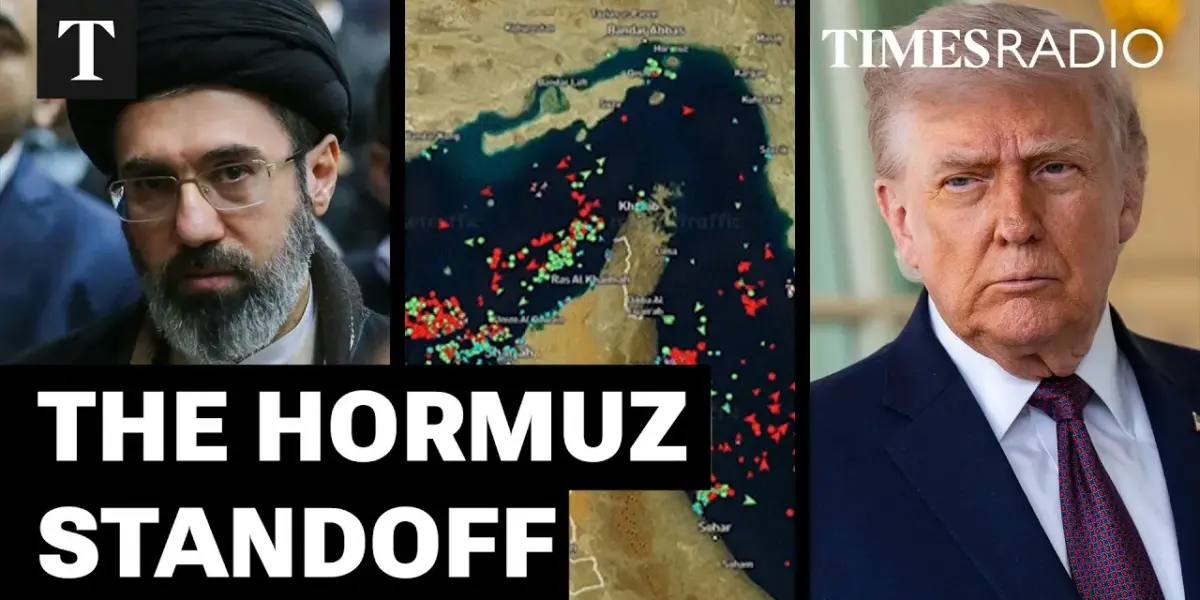
Strait of Hormuz: A Shared Control
The critical Strait of Hormuz, a vital waterway for global oil transport, is effectively controlled by both the United States and Iran. This means that for the strait to remain open, an agreement is needed from both nations.
Rear Admiral Mark Montgomery, a former US National Security Council member, explained that due to geographic proximity, Iran always possesses the ability to close the strait. Conversely, the U.S. can also shut it down using its significant sea power capabilities.
Diplomacy Stalls Amidst Escalating Tensions
Recent diplomatic efforts to ease tensions between the U.S. and Iran have stalled, with key negotiations facing significant hurdles. President Trump’s announcement of an extended ceasefire with Iran, intended to allow time for a unified proposal, has been met with a cautious reception. Reports suggest this extension could be short, lasting only three to five days, a move some interpret as a response to criticism demanding a more defined and threatening stance in negotiations.
However, experts like Sudasan Ragavan, former Middle East correspondent for The Wall Street Journal, caution against reading too much into the exact duration of these extensions. He notes that President Trump has frequently shifted his messaging throughout the process. It’s possible that further extensions could be announced, as both sides aim to negotiate on their own terms.
Strait of Hormuz: A Flashpoint for Control
The Strait of Hormuz has become a central point of contention, with both nations engaging in actions to assert their control. Iran’s Revolutionary Guard recently seized two ships and targeted a third in the waterway, an act seen by some as Iran flexing its muscles in response to U.S. actions. This follows a period where the U.S. implemented its own blockade on Iranian ports, aiming to exert maximum pressure.
Admiral Montgomery clarified the complex situation, stating that the U.S. only partially controls the strait, as true openness requires mutual agreement. He described a current stalemate where Iran is blocking passage for those it chooses, while the U.S. prevents ships heading to or calling on Iranian ports from passing. This dynamic effectively shuts down transit for many vessels.
Maritime Law vs. Asserted Control
Despite the claims of control by both nations, international maritime law dictates that transit passage and innocent passage are permitted through international waterways like the Strait of Hormuz. No nation can claim ownership of these waters. This principle has been historically practiced, even by Iran itself for decades, and is also observed in other global straits.
However, both Iran and the U.S. have found ways to exert influence over the strait. Iran’s actions have included seizing vessels, while the U.S. has responded with blockades. While Western nations have expressed interest in ensuring safe passage, their involvement is contingent on the cessation of hostilities.
Economic Pressure and Potential Resolution
The U.S. blockade is significantly impacting Iran’s economy, halting approximately $15 billion per month in fossil fuel sales. If these sales cease, Iran’s economy, which heavily relies on these exports, faces severe challenges. The damage to its industrial base from previous U.S. military actions further exacerbates the situation.
This economic pressure is creating internal divisions within Iran between security forces and political leadership. Admiral Montgomery anticipates a negotiated deal where the U.S. ends its blockade, and Iran allows free transit of all vessels without fees. He believes a resolution could be reached within weeks, despite potential wild cards like President Trump’s approach to international law.
Challenges Ahead: Clearing the Waters
Even if a diplomatic agreement is reached, ensuring safe passage through the Strait of Hormuz will present ongoing challenges. The Pentagon has informed Congress that clearing potential mines from the strait could take as long as six months. However, it might be possible to establish a designated safe route for merchant ships in the interim.
The maritime insurance industry, represented by Lloyds, would need to deem the route safe before ship owners would resume normal operations. Ultimately, while clearing all obstacles may take time, establishing sufficient safety for transit passage is the immediate goal following any potential agreement.
Source: US And Iran ‘Both Control’ The Strait Of Hormuz | Rear Admiral Mark Montgomery (YouTube)

Related Articles


Karoline Levit Dodges Reality on Iran and Election Woes
Karoline Levit's public statements on Iran's actions and election outcomes appear to diverge from factual reporting, creating confusion. The analysis explores how these narratives clash with reality and the implications for public trust and democratic discourse.
Iran and US in Standoff: No Talks Seen, Escalation Possible
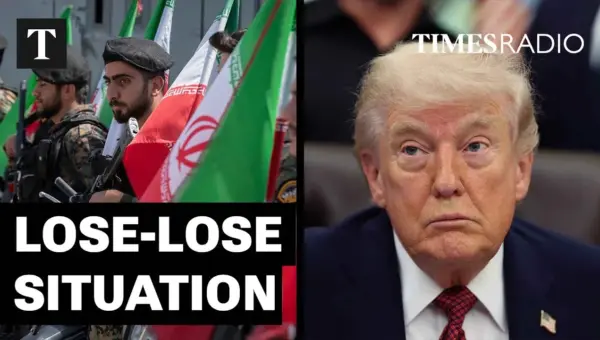
Neither Iran nor the United States is currently ready for serious negotiations, according to diplomatic and political experts. Both nations are focused on gaining leverage, creating a lose-lose situation. While one side believes the US is winning through economic pressure and military strategy, the other views it as a series of losses for both parties, with the urgent need to reopen the Strait of Hormuz.

Ukraine Eyes ‘Donnyland’ Rename to Win Trump’s Support
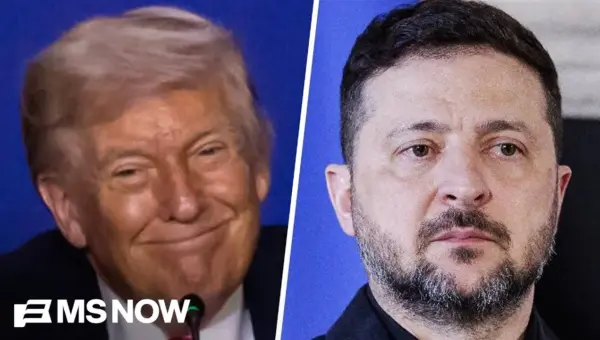
Some Ukrainian officials are reportedly considering renaming a portion of the Donbas region 'Donnyland' in an effort to win favor and aid from former U.S. President Donald Trump. This unconventional strategy is inspired by past instances where naming conventions or gifts appeared to influence Trump's decisions. The move highlights Ukraine's urgent need for support in its ongoing conflict with Russia.