Trump’s Iran Deal: A War Risk for Obama’s Outcome?
President Trump sought a tougher Iran deal than Obama's, but recent events suggest he may end up with a similar outcome. The breakdown in communication and Iran's perception of US aggression complicate negotiations.

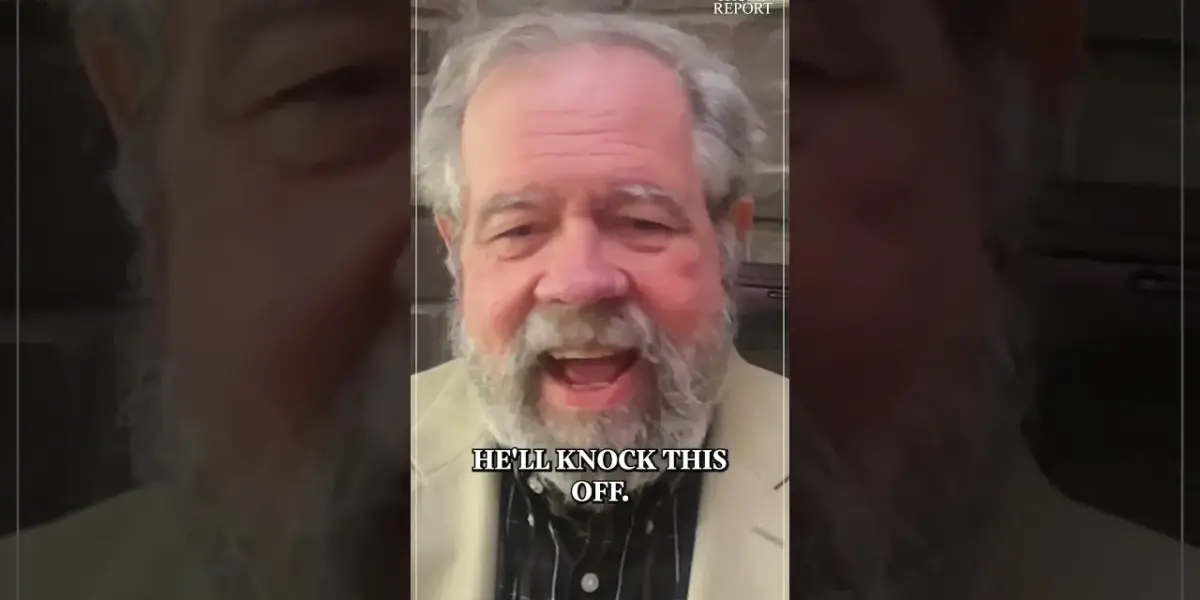
Did Trump’s Iran Policy Lead Back to Obama’s Deal?
President Trump sought a stronger agreement with Iran than the one negotiated by former President Obama. However, the current situation suggests Trump may not hold the strong negotiating position he once had. This raises a key question: if Trump strikes a deal similar to Obama’s, how will that be perceived, and was the risk of conflict worth it?
The most optimistic outcome for Trump’s Iran policy would be a deal that matches, or is at least equal to, the one originally signed by China, Russia, Germany, France, and the UK. These nations were all part of the initial negotiations, adding international weight to the agreement. The reality, however, might lead to an outcome that is less favorable than the original deal.
The Iranian Perspective
From Iran’s viewpoint, the goal is to find a way for Donald Trump to declare a victory. This would allow him to move past the current tensions and potentially de-escalate the situation. The challenge lies in how this can be achieved, especially after Iran presented what it considered its best offer in February.
The response to Iran’s February offer was unexpected and, from their perspective, aggressive. Instead of further negotiation, the United States reportedly responded with military actions. This reaction has left Iran questioning the sincerity and understanding of the American negotiators.
Misunderstandings and Missed Opportunities?
It’s unclear exactly why the February offer was not accepted or why the US response was so severe. Several possibilities exist, and the exact sequence of events remains somewhat mysterious. It’s possible that the negotiators sent by Trump, including his son-in-law and a real estate professional, either did not fully grasp the details of the offer.
Alternatively, they may have failed to convey the full significance of Iran’s proposal to President Trump. There is also the chance that the information was conveyed, but Trump himself did not fully understand its implications. Without knowing which of these scenarios is true, it’s difficult to pinpoint the exact breakdown in communication.
Regardless of the specific communication failures, Iran feels it presented a generous offer, proposing what they describe as “the sun, the moon, and the stars.” Their perception is that the United States responded not with negotiation, but with military force. This has led to strong feelings in Iran, with some viewing the US response as savage and unreliable.
Why This Matters
The implications of this situation are significant for global security and international relations. If Trump’s administration ends up agreeing to terms similar to Obama’s deal, it raises questions about the effectiveness and purpose of the heightened tensions and military posturing that occurred. It suggests that the aggressive approach might not have yielded a fundamentally better outcome, but rather a return to a similar starting point.
This dynamic impacts how future international negotiations are approached. It can create a perception that brinkmanship and the threat of conflict are necessary to achieve agreements, or conversely, that such tactics can backfire and lead to less favorable terms. For Iran, the experience could solidify a view that the US is an unreliable partner, making future diplomatic engagement more difficult.
Historical Context and Future Outlook
The Iran nuclear deal, officially known as the Joint Comprehensive Plan of Action (JCPOA), was agreed upon in 2015. It aimed to limit Iran’s nuclear program in exchange for sanctions relief. The United States, under President Obama, was a key signatory, alongside other world powers.
President Trump withdrew the US from the JCPOA in 2018, calling it insufficient and too favorable to Iran. He then reimposed strict sanctions. This move was met with international criticism and led to a period of increased tension between the US and Iran, including military confrontations in the Persian Gulf.
The current situation suggests a potential return to the negotiating table, possibly with terms that echo the original JCPOA. This could be driven by a desire to avoid further conflict or a realization that the maximum pressure campaign did not achieve its stated goals of forcing Iran into a significantly weaker deal. The future outlook depends heavily on whether both sides can find common ground and overcome the deep mistrust that has developed.
The success or failure of any future agreement will likely depend on the willingness of both the US and Iran to compromise. It also hinges on the international community’s ability to facilitate dialogue and ensure compliance. The path forward remains uncertain, but the potential for a renewed diplomatic effort is a critical development.
The next steps in these complex negotiations will be closely watched by global leaders and analysts alike.
Source: Did Trump risk a war with Iran… only to end up back at Obama’s deal? (YouTube)

Related Articles
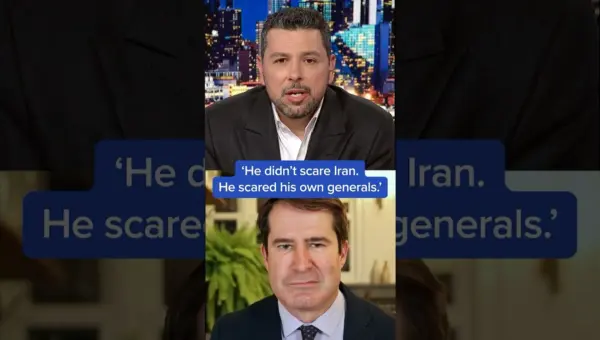
Generals Feared President’s Decisions, Not Iran, Says Ex-Lawmaker
Former Congressman Seth Moulton stated that President Trump's generals were more concerned about the president's reactions than Iran. He described them as trying to "hide the remote" and "clear the room." This suggests military leaders felt they needed to manage the president's decisions.
Judge Lets Trump Face Civil Lawsuits Over Jan. 6 Actions
A federal judge has ruled that Donald Trump can be sued for damages related to his actions on January 6th, finding he was not acting in his official presidential capacity. This decision opens the door for civil lawsuits from police and lawmakers, potentially leading to significant monetary judgments.
Crypto Scammer Sues Trump Admin After Being Scammed
Cryptobillionaire Justin Sun is suing the Trump administration, claiming extortion. However, the situation involves alleged scams on both sides. Sun, who invested millions in Trump's World Liberty Financial, claims the company froze his assets after he refused to invest more, costing him millions. This lawsuit highlights the complex and often shady dealings within the intersection of politics and cryptocurrency.