BMW Bets Big on Luxury Sedans Amid SUV Craze
BMW is doubling down on its flagship 7 Series sedan, investing heavily in updates and technology despite the booming popularity of SUVs. The company sees the sedan as crucial for brand image and catering to a loyal customer base, even as competitors shift focus. This strategy aims to maintain BMW's leading position in the U.S. luxury market.

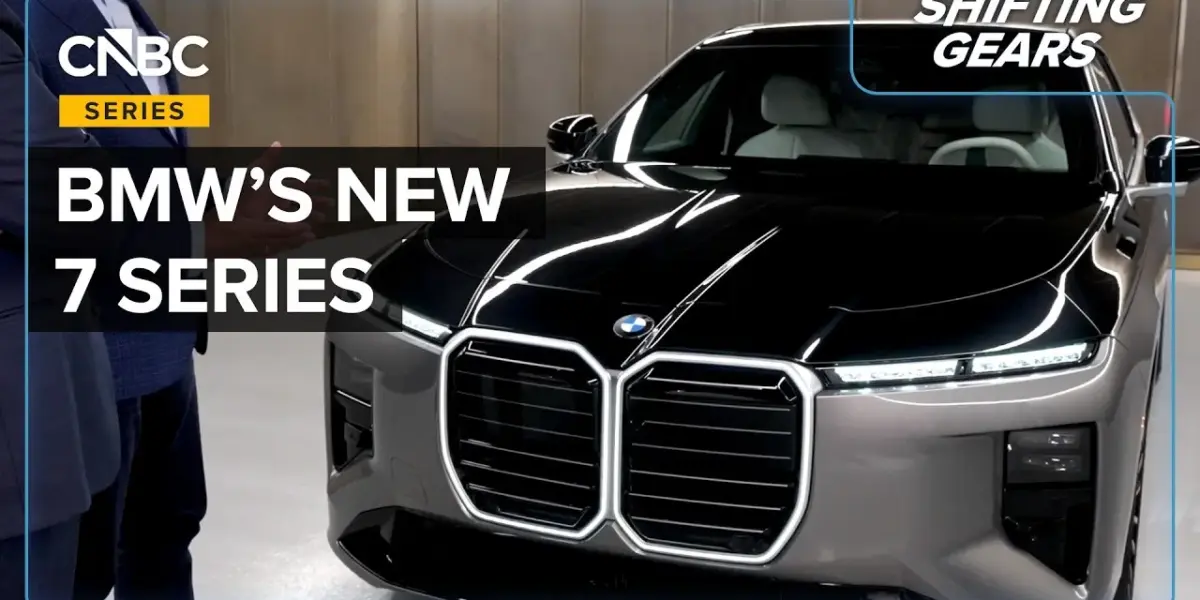
BMW Pushes Flagship Sedan Despite SUV Dominance
BMW, a brand long known for its “ultimate driving machine” slogan, is doubling down on its full-size luxury sedan, the 7 Series. This latest generation, unveiled in April, represents the most extensive update BMW has ever applied to a single model. The 7 Series remains a symbol of the brand’s commitment to luxury and high performance, boasting a rapid 0-to-60 mph time of just 3.5 seconds, an impressive feat for a car of its size.
The updated 7 Series aims to make a grand entrance, offering customers a vast array of personalization options. Buyers can choose from 500 exterior paint colors, and the interior allows for 700 different combinations of materials, colors, and trims. This level of customization highlights BMW’s dedication to its flagship sedan, even as the automotive market shifts dramatically.
SUVs Eclipse Sedans in Luxury Market
Full-size luxury sedans like the 7 Series are no longer the sole flagships in automaker lineups. Most luxury brands now offer both a sedan and a large, three-row SUV as their top models.
In the United States, the BMW X7 SUV now outsells its sedan counterpart, the 7 Series. This trend is not unique to BMW; many luxury automakers have seen their SUVs surpass their sedans in sales volume.
The business case for sedans is further complicated by trade policies. The X7 is built in Spartanburg, South Carolina, while the 7 Series is imported from Germany, incurring a 15% import duty.
This tariff adds cost and favors domestically produced vehicles, making the business argument for importing luxury sedans more challenging. However, for vehicles in the six-figure price range, customers are often less sensitive to price increases, allowing automakers to absorb some of these costs.
Brand Image and Niche Demand Keep Sedans Alive
Despite the overwhelming popularity of SUVs, BMW remains committed to offering sedans. The company believes its strong sedan heritage and a significant portion of its customer base still prefer this body style. While purely economic analysis might question the profitability of sedans in the current market, they play a key role in brand image and reputation.
The 7 Series, for example, is often used to transport executives and dignitaries, including armored versions used at G7 meetings. This demonstrates its value as a statement piece and a symbol of the company’s engineering capabilities, rather than solely a volume seller.
Several competitors have exited the luxury sedan segment in the U.S., including Lexus, Audi, Cadillac, and Lincoln. They have either stopped selling sedans or discontinued their production altogether. BMW’s continued investment suggests a belief that sedans still hold a vital place in the luxury market, appealing to a specific customer who values the driving experience and brand prestige associated with these vehicles.
New Technology and Powertrain Options
A significant innovation in the updated 7 Series is the introduction of BMW’s “Neue Klasse” (New Class) design and technology elements. Originally conceived as an electric vehicle platform, these advancements are now being integrated across BMW’s entire lineup. The 7 Series serves as the debut model for many of these new features, showcasing BMW’s forward-looking approach to vehicle development.
The latest 7 Series offers a diverse range of powertrain options, including traditional internal combustion engines (ICE), fully electric (EV), and plug-in hybrid (PHEV) variants. This reflects the current fragmented consumer demand, where electric vehicles, despite initial high expectations, have not yet fully dominated the market. BMW acknowledges the slower-than-predicted growth of EVs but sees them as a crucial part of its future lineup, with a majority of past buyers expressing interest in future electric models.
Future Outlook for Luxury Autos
The automotive industry faces significant challenges, including investments in EVs, autonomous driving, and software. Trade barriers and competition from China add further complexity.
However, the luxury automotive segment in the U.S. is projected to grow over the next decade. BMW aims to maintain its leading position, having surpassed Lexus to become the top luxury brand in the U.S. in 2025.
BMW’s ambitious sales plans for the coming year underscore its confidence in the U.S. market. The company is focused on improving all aspects of its operations, from customer service to dealer representation. By continuing to invest in and innovate its flagship sedan, BMW signals its commitment to attracting and retaining discerning luxury car buyers, even as market trends favor SUVs.
Market Impact
BMW’s decision to continue investing heavily in the 7 Series sedan, despite the market’s strong preference for SUVs, highlights the strategic importance of brand image and heritage. While sales volumes for luxury sedans may be lower than their SUV counterparts, they serve as technological showcases and brand ambassadors. The introduction of advanced features and diverse powertrains, including electric options, signals BMW’s intent to cater to evolving consumer preferences while maintaining its core identity.
The financial implications involve managing the costs associated with importing vehicles and navigating trade tariffs. However, the high price point of these luxury vehicles allows for some price flexibility. The continued development and promotion of sedans, alongside SUVs, suggests a dual-strategy approach to capture different segments of the luxury market and reinforce BMW’s overall brand strength and appeal in the competitive U.S. auto industry.
What Investors Should Know
Investors looking at the automotive sector should note BMW’s commitment to its sedan lineup as a key differentiator. While the industry trend favors SUVs, BMW’s focus on performance, luxury, and technology in its sedans, like the 7 Series, aims to maintain brand prestige and appeal to a loyal customer base. The company’s investment in EV technology and diverse powertrains shows adaptability to market changes.
The projected growth in the U.S. luxury auto market provides a positive backdrop. BMW’s strategy of balancing traditional strengths with future-oriented technologies, as seen in the updated 7 Series, suggests a plan to maintain and potentially grow its market share. Understanding the interplay between brand image, technological innovation, and evolving consumer preferences will be key to evaluating BMW’s long-term performance.
Source: Why BMW Is Still Investing In Big Sedans (YouTube)

Related Articles


EV Dream Falters: Billions at Risk, Factories Canceled
Over $200 billion invested in US EV factories faces jeopardy as demand falters and automakers cancel plans. Significant financial losses are now projected, marking a major shift in the auto industry's electric future.

EV Surge: High Fuel Costs Spark Global Auto Race
Skyrocketing fuel costs are driving a surge in consumer interest for electric vehicles (EVs) globally. While China dominates production and supply chains, Europe and the US face challenges adapting their industries to this new demand. The global automotive race is on, with significant implications for consumers and national economies.

China Dominates EV Batteries; Rivals Race to Catch Up
China leads the world in electric vehicle battery production, leveraging cost-effective LFP technology and government support. As global rivals race to catch up and secure their own supply chains, innovation in battery chemistry and recycling is becoming crucial for future market competitiveness.