Homebuilder Recovery Hinges on Mortgage Rates Below 6%
Homebuilder stocks are rising as mortgage rates fall, but affordability remains a challenge. Acme Brick CEO Ed Watson believes rates below 6% are crucial for recovery. The commercial sector offers stability, while automation and AI are key to future manufacturing efficiency.

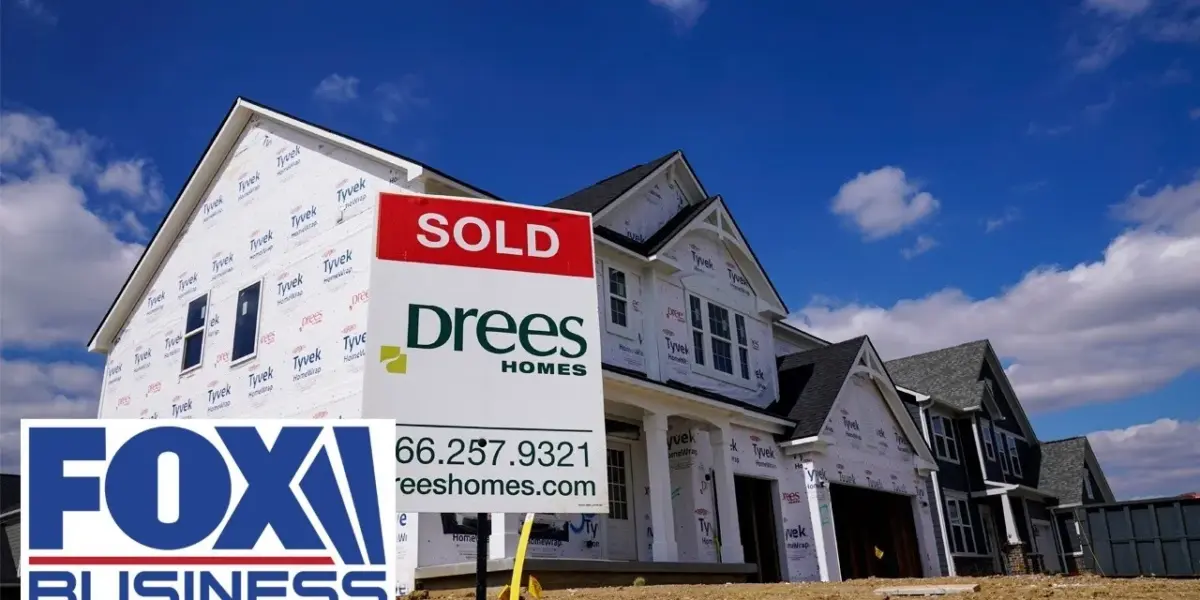
Homebuilder Recovery Hinges on Mortgage Rates Below 6%
The housing market is showing signs of life, with homebuilder stocks surging as tensions in the Middle East ease and mortgage rates tick lower. Freddie Mac reported the average rate for a 30-year fixed loan fell for a second week to 6.3%.
However, recent data on existing home sales for March revealed a slowdown, hitting the lowest level since June with a 3.6% drop to 3.98 million homes. This mixed picture raises questions about the future of the housing industry’s essential suppliers.
Ed Watson, President and CEO of Acme Brick Company, shared his insights in an exclusive interview. Acme Brick, celebrating its 135th anniversary, operates 15 brick production plants and has a sales distribution network across 13 states.
Watson acknowledged that his company is directly impacted by housing starts. He emphasized that mortgage interest rates remain the biggest factor influencing the market.
Mortgage Rates the Key to Demand
Watson believes that if 30-year mortgage rates can drop below 6%, perhaps into the 5.5% range, an uptick in business should follow. High demand for housing exists, but affordability is a major hurdle.
Many potential buyers are waiting for lower interest rates or a decrease in home prices to make a purchase. Acme Brick and its homebuilder customers are prepared to meet this demand once affordability improves.
“Our plants are standing ready to supply that in demand,” Watson stated. He highlighted that the company is positioned to take advantage of increased construction activity. Homebuilders are also eager for the housing market to pick up, indicating a shared readiness for recovery.
Commercial Sector Offers Stability
While brick is Acme’s primary product, the company also supplies other materials across various economic sectors. The commercial sector represents about 25% of Acme’s business and is currently showing encouraging signs.
Significant construction is underway for schools and industrial buildings. This diversification provides a stable revenue stream, complementing the residential market.
Watson noted that while the company’s footprint spans 13 states in the South and Southeast, its home base near Fort Worth, Texas, shows strong local economic activity. Infrastructure projects and data center construction are contributing to the local economy. However, Acme Brick’s own business in the region has remained flat for nearly three years, despite the general economic buzz.
Technology and Automation in Manufacturing
Acme Brick has embraced automation, adopting its first robots in the mid-1980s. The company is currently upgrading several plants to incorporate more robotics into its brick handling processes. While Artificial Intelligence (AI) is not yet a major factor in their automation efforts, Acme is exploring AI for quality control and business forecasting.
“We see more value coming and I think ultimately our plants will benefit from AI also,” Watson said. He views the company as being on the front end of technological adoption within its industry. Advancements in AI are expected to further benefit their manufacturing processes in the future.
Berkshire Hathaway Relationship
Acme Brick has been a part of Berkshire Hathaway since 2000. Watson described the relationship as very good and solid, proud to be part of the conglomerate.
He indicated that while there has been some reorganization following Warren Buffett handing over business reins to Greg Abel, their operations continue to thrive. Berkshire Hathaway’s ownership has provided opportunities for Acme to build its business and brand over the past 25 years.
What Investors Should Know
The housing market’s recovery is closely tied to mortgage interest rates. A sustained drop below 6% is seen as crucial for boosting affordability and stimulating new home construction.
While the residential sector faces headwinds, the commercial market offers a more stable outlook with ongoing projects in schools and industrial facilities. Companies like Acme Brick are investing in automation and AI to improve efficiency and quality control.
The broader economic picture, particularly in regions like Texas, shows activity in infrastructure and data centers. However, the direct impact on Acme’s core business has been muted.
Investors watching the housing sector should monitor mortgage rate trends and builder confidence reports closely. The upcoming months will be key to seeing if interest rate relief translates into renewed demand for new homes.
Source: Homebuilding ‘will recover’: Acme Brick CEO (YouTube)

Related Articles


Florida Housing Market Sees Surge in Short Sales
Florida's housing market is experiencing a significant downturn in 2026, with foreclosures and short sales surging. This trend is creating substantial discounts for buyers and investors, though demand remains low and future price declines are possible in many areas. Localized market analysis is crucial for navigating these opportunities.


Housing Market Correction: Why Sellers Are Staying Put
The housing market is currently undergoing a correction, not a crash, according to recent data. Inventory levels are flat or declining as sellers hold back, indicating a rational market response rather than panic. Delinquency rates remain below pre-pandemic levels, suggesting widespread financial distress is not imminent.

War Fuels Inflation, Squeezes Housing Market
Geopolitical conflict has driven inflation up, pushing mortgage rates higher and signaling a slowdown in the housing market. While a crash is unlikely, savvy investors can find opportunities by focusing on cash flow and buying below market value.