Tax Cuts Fuel Growth, Iran Policy Shifts Global Energy
President Trump's tax cuts are providing substantial benefits to millions, stimulating the economy. Simultaneously, a firm stance on Iran has lowered oil prices and reshaped global energy dynamics. These developments are seen as key factors influencing upcoming elections and the broader financial outlook.

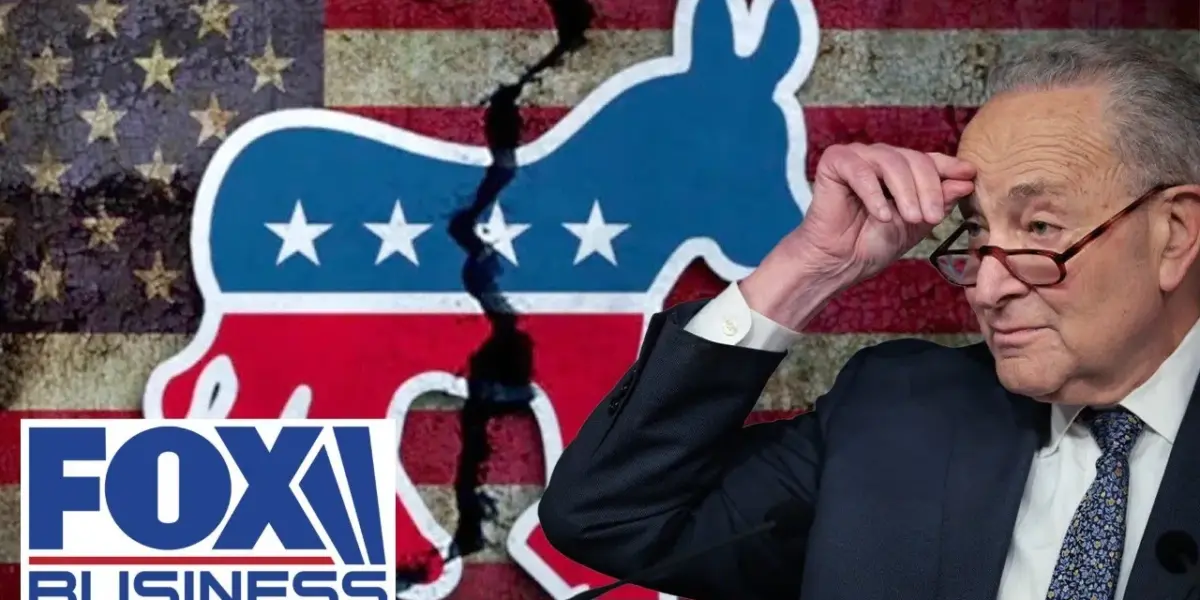
Tax Cuts Strengthen Economy, Iran Policy Reshapes Global Energy Markets
President Trump’s tax cuts are providing tangible benefits to millions of Americans, with approximately $100 billion in cuts helping over 55 million people receive larger deductions. These tax reductions are designed to stimulate economic activity by putting more money into the hands of consumers and businesses.
This contrasts sharply with the Democratic Party’s platform, which often advocates for increased taxes to fund government programs. Analysts suggest these economic tailwinds could become a significant factor in upcoming midterm elections.
The tax cuts are not just benefiting large corporations but are also reaching average Americans and service workers. Specific measures, like the tax on tips and a no-tax policy on overtime, have directly increased earnings for individuals such as busboys, bartenders, and bellhops.
These groups represent a core segment of the American workforce, and the direct financial impact of these policies is seen as a potential boost to consumer spending and overall economic health. Some within the Democratic Party are reportedly considering supporting similar tax-cut initiatives, though it may be too late to gain significant traction.
Iran Policy Delivers Strategic and Economic Wins
President Trump’s recent actions regarding Iran have been described as a strategic masterstroke, leading to a significant shift in global oil prices and international leverage. The implementation of a blockade has reportedly sent oil prices plummeting, undermining Iran’s primary source of revenue, which accounts for about 80% of its income.
This move not only impacts Iran’s economy but also has implications for China, potentially affecting its energy imports and economic stability. This strategy aims to choke off Iran’s financial resources without resorting to large-scale military intervention, a stark contrast to previous approaches.
This assertive foreign policy has also positioned the United States as a more dependable global energy supplier. As American energy production increases, the U.S. gains significant geopolitical leverage.
This reordering of global energy dynamics means less reliance on volatile regions and a more stable supply chain for the world. The administration’s objective remains clear: preventing Iran from acquiring nuclear weapons and avoiding past practices, such as providing significant cash payments that could fund illicit activities.
Market Impact and Investor Considerations
The positive economic effects of the tax cuts are beginning to be felt across the economy. While the Republican Party has been criticized for not adequately promoting these benefits, the actual financial gains are now reaching taxpayers.
Combined with the successful navigation of the situation with Iran, which has resulted in minimal economic damage and potentially significant concessions, these developments present a strong case for the administration’s policies. Investors are watching to see if these positive economic indicators translate into sustained market growth and consumer confidence.
The shift in foreign policy, particularly concerning Iran, has had a direct impact on global energy markets. Lower oil prices benefit consumers and businesses by reducing energy costs, which can lead to increased discretionary spending and lower operating expenses.
For investors, this could mean a more stable economic environment, although geopolitical risks always remain a factor. The long-term implications include a potential reshaping of global power dynamics and a reevaluation of energy security strategies worldwide.
The narrative surrounding President Trump’s actions, both domestically with tax cuts and internationally with Iran, suggests a period of significant policy shifts. The contrast between the administration’s approach and the Democratic Party’s platform on economic and foreign policy issues is likely to be a central theme in political discourse and could influence investor sentiment. The coming months will be crucial in observing how these policies continue to unfold and impact the broader financial landscape.
Looking ahead, the focus remains on the sustained impact of tax policies on economic growth and the ongoing geopolitical developments in the Middle East. The administration’s approach to Iran, particularly regarding its nuclear ambitions and economic stability, will continue to be closely monitored by global markets and policymakers alike.
Source: ‘OFF THE CLIFF’: Democratic Party implodes with ‘INFIGHTING,’ says columnist (YouTube)

Related Articles


Trump’s Iran Claims Contradicted Amidst Rising Gas Prices
President Trump's claims about the war in Iran and the opening of the Strait of Hormuz are being directly challenged by officials, with evidence pointing to ongoing disruptions and rising gas prices. As the U.S. navigates complex negotiations, a new poll shows a majority of voters blame Trump for economic woes, raising concerns for Republicans ahead of the midterm elections.
Trump Rallies Young Base, Defends Iran Stance Amid Papal Tensions
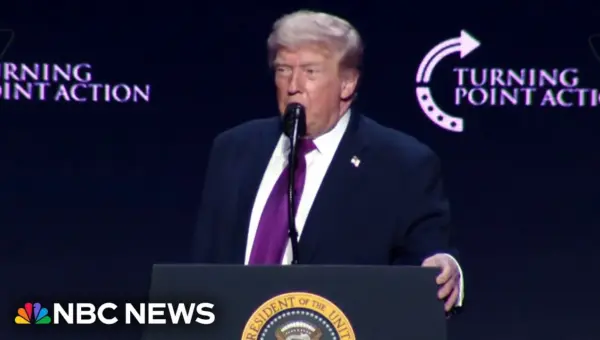
President Trump rallied thousands of young conservatives at a Turning Point USA event, addressing the conflict in Iran and his public disagreements with Pope Francis. While many supporters backed his strong stance on Iran, some expressed a desire for more domestic focus. The rally aimed to energize the MAGA base ahead of the crucial midterm elections.


Stocks Surge as Iran Reopens Strait of Hormuz; Challengers Outraise Incumbents
Stock markets surged to record highs as Iran reopened the Strait of Hormuz, signaling an end to recent geopolitical tensions. However, consumers continue to face lingering economic pain from higher energy and goods prices. Meanwhile, within the Democratic Party, primary challengers are outraising incumbents, driven by a generational divide and a desire for new leadership ahead of the midterm elections.