Trump’s Iran Deal Hypocrisy Fuels Political Firestorm
Reports suggest a potential $20 billion asset release to Iran, drawing accusations of hypocrisy against Donald Trump due to his past strong criticisms of similar deals. This controversy highlights ongoing debates about his negotiating tactics and foreign policy consistency. The situation also brings attention to broader themes of political accountability and the scrutiny of business dealings by political figures and their families.

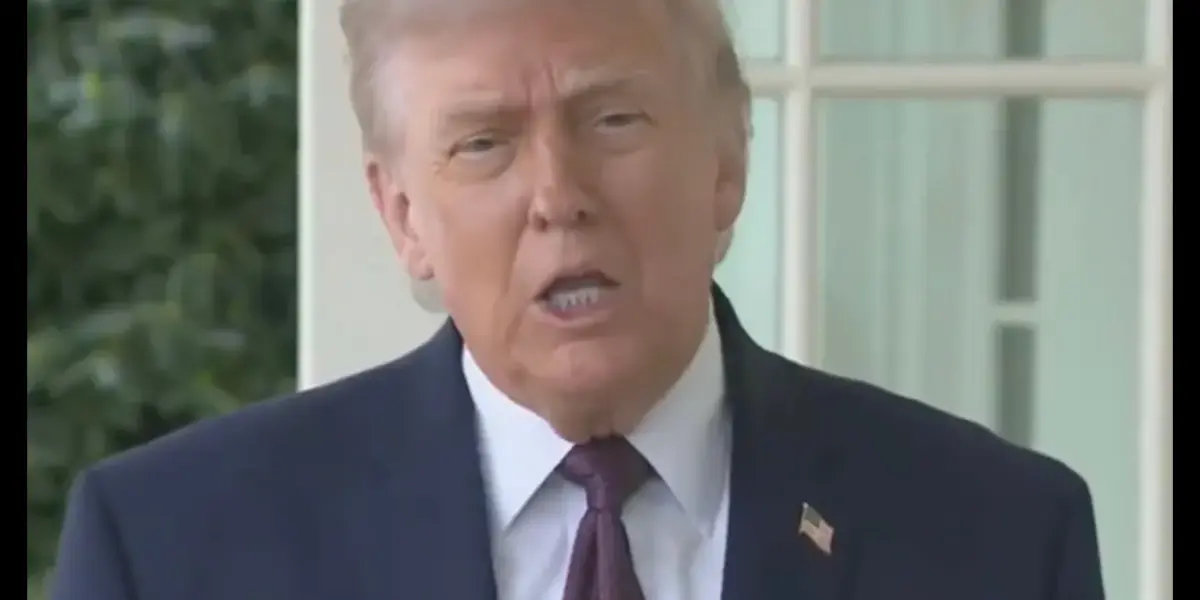
Trump’s Iran Deal Hypocrisy Fuels Political Firestorm
Donald Trump, a figure known for his sharp criticisms of past deals involving Iran, now faces scrutiny over his own administration’s potential actions. Reports suggest a deal that could release billions in frozen assets to Iran, a move that starkly contrasts with his previous strong condemnations of similar financial arrangements. This apparent shift has led to accusations of hypocrisy, reigniting debates about his negotiating tactics and his administration’s foreign policy decisions.
The core of the controversy lies in the potential release of $20 billion in frozen assets to Iran. This development is particularly striking given Trump’s past rhetoric.
He frequently attacked the Obama administration’s Iran nuclear deal, often highlighting a $1.7 billion payment as a major concession and a sign of a bad negotiation. His past statements, like calling it “one of the worst deals ever made by any country in history,” now appear to be in direct conflict with the reported actions under his watch.
During his presidency, Trump often spoke out against what he perceived as weak or unfavorable deals. He specifically targeted the Iran nuclear agreement, which he withdrew the U.S. from, and criticized payments made to Iran.
He once tweeted about Hillary Clinton’s role in initiating talks for a $400 million cash payment, calling it a scandal. The prospect of his administration potentially facilitating a $20 billion deal with Iran is seen by critics as a significant reversal and a prime example of political inconsistency.
The Trump campaign and his allies have also raised alarms about potential military drafts under rival administrations. They have warned that a presidency led by Kamala Harris could lead to young Americans being forced into military service.
This warning suggests that a Harris administration would be reckless with foreign policy, potentially dragging the nation into conflicts that necessitate a draft. The message is clear: Trump supporters are told he is the only one who can prevent such outcomes.
However, the narrative surrounding military service and conflict has also seen its own complexities. When discussing troops on the ground, the focus has often been on air campaigns. Trump’s approach, as described, has been to keep all options open.
This stance, while presented as strategic, also means that the possibility of increased military involvement, and by extension, a greater risk to service members, remains a potential outcome. This reflects a broader pattern where political rhetoric often simplifies complex foreign policy choices.
Beyond foreign policy, accusations of hypocrisy have also been leveled regarding other sensitive topics. For instance, the handling of the Jeffrey Epstein case and associated allegations has been a point of contention.
Critics have pointed out that while Trump’s allies have called for transparency and accountability, the administration’s own actions and focus have been questioned. The narrative suggests a pattern of deflection and selective outrage, where certain issues are amplified while others are downplayed.
Accusations of corruption have been a common theme in political discourse, with Trump frequently labeling his opponents as corrupt. He has spoken about “draining the swamp” and cleaning up a “corrupt group of people.” Yet, reports have surfaced detailing potential benefits received by Biden family members from Joe Biden’s political career. This creates a dynamic where accusations of corruption are thrown back and forth, often without clear resolution.
The issue of business dealings and potential conflicts of interest has also emerged. Reports have highlighted how close Biden family members may have benefited from Joe Biden’s political career.
Similarly, the Trump family’s business interests have drawn attention. For example, a drone maker announced a merger with a company backed by Trump’s sons, Eric and Don Jr. This company aims to compete for military contracts, a market that was impacted by Trump’s own administration’s ban on foreign-made drones due to national security concerns.
Why This Matters
The consistent pattern of accusations and counter-accusations regarding hypocrisy, corruption, and questionable deal-making highlights a significant trend in modern politics. It suggests that voters are increasingly scrutinizing the consistency between a leader’s past statements and their present actions. This level of public attention forces politicians to be more accountable for their words and decisions, as past pronouncements can easily be used to question their current integrity.
This dynamic also influences how foreign policy is perceived and conducted. When a leader’s past criticisms of a particular type of deal are juxtaposed with their administration’s potential involvement in similar arrangements, it can erode public trust.
It raises questions about whether policy is driven by principle or by political expediency. The perception of fairness and consistency in international dealings is crucial for maintaining credibility on the global stage.
The focus on family business dealings and potential conflicts of interest speaks to a broader concern about the influence of money in politics. As political figures and their families engage in business ventures that could be influenced by their public roles, it creates an environment ripe for suspicion. This necessitates a greater emphasis on transparency and ethical guidelines to ensure that public service is not confused with personal enrichment.
Implications and Future Outlook
The ongoing scrutiny of Trump’s past statements and current actions sets a precedent for future political discourse. It suggests that voters will continue to hold leaders accountable for perceived inconsistencies. This could lead to a more informed electorate, but also potentially to a more polarized environment where every action is dissected through the lens of past promises.
The trend of political figures facing questions about their family’s business interests is likely to continue. As more individuals with business backgrounds enter politics, the lines between public service and private enterprise may become increasingly blurred. This will require clearer regulations and greater public vigilance to prevent undue influence and maintain the integrity of government.
Looking ahead, the ability of political leaders to navigate these complex issues with transparency and consistency will be key to building and maintaining public trust. The events surrounding potential Iran deals, military policy, and business ethics suggest that voters are demanding a higher standard of accountability. The political landscape will likely continue to be shaped by these demands for integrity and a clear alignment between words and deeds.
Historical Context
The relationship between the United States and Iran has been complex and often fraught with tension since the 1979 Islamic Revolution. The Iran nuclear deal, formally known as the Joint Comprehensive Plan of Action (JCPOA), was negotiated under the Obama administration to prevent Iran from developing nuclear weapons in exchange for sanctions relief. Trump’s withdrawal from this deal in 2018 and his administration’s subsequent “maximum pressure” campaign marked a significant shift in U.S. foreign policy toward Iran.
The issue of frozen assets has also been a recurring theme. Iran has long sought the release of billions of dollars in funds that were frozen due to international sanctions.
These funds are seen by Iran as rightfully belonging to the country and are often a point of negotiation in diplomatic discussions. The Obama administration had released some funds as part of the JCPOA, which Trump had criticized heavily.
The rhetoric surrounding the Second Amendment and the military draft has deep roots in American political history. Debates over gun control and the role of the military are perennial issues. Warnings about opponents seeking to disarm citizens or expand military conscription are common tactics used in political campaigns to mobilize voters and frame opponents as threats to fundamental rights or national security.
Similarly, discussions about corruption and “draining the swamp” have been recurring themes in American politics, particularly during periods of perceived elite detachment or economic inequality. The idea of a corrupt political establishment that enriches itself at the expense of the public is a powerful narrative that can resonate with voters across the political spectrum.
The involvement of political figures’ families in business deals, especially those that could benefit from government policy, is not new. However, in the current media environment, such dealings are subject to intense scrutiny and rapid dissemination, often amplified by social media. This heightened visibility can create significant political challenges for those involved.
The recent announcement of a book by the video’s creator, titled “The Day After: How to Wield Power in a Post-Trump World,” further highlights the ongoing debate about power dynamics in politics. It suggests a focus on how political power is used and should be used, particularly in the context of the political divides that have emerged in recent years. The book’s stated aim is to provide a blueprint for progressives on how to wield power effectively, indicating a desire to move beyond simply restoring the past and toward actively shaping the future.
Source: Trump’s words come back to HAUNT him | Another Day (YouTube)

Related Articles

Presidential Health: Can We Trust the Truth?
Questions about presidential health have become a recurring issue, impacting two consecutive presidencies. This raises concerns about transparency and the unchecked power held by the U.S. president. We need better systems to ensure the public receives accurate health information.
Trump’s Base Fractures as Key Supporters Voice Doubts
Donald Trump's political base is showing signs of division as key supporters voice growing concerns about his actions and statements. Reports indicate a "shocking number" of his supporters have turned against him, particularly within the manosphere and among religious conservatives, who are questioning his leadership on issues from foreign policy to social commentary. This fracturing is impacting his ability to maintain narrative dominance and could have significant implications for future elections.

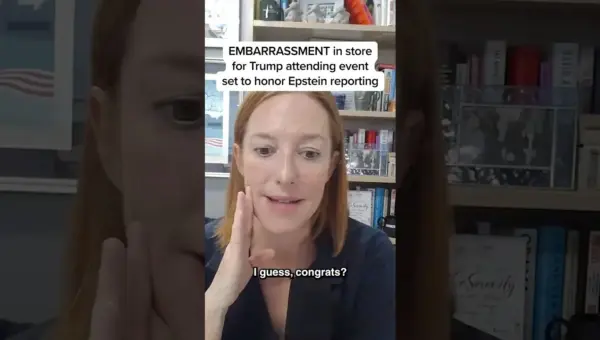
Trump Faces Embarrassment at WHCD Over Epstein Report Honor
Donald Trump is set to attend the White House Correspondents' Dinner, an event that will honor the Wall Street Journal for its reporting on a sexually suggestive birthday message allegedly sent by Trump to Jeffrey Epstein. The former president's attendance is expected to be particularly awkward given his history of conflict with the press and the nature of the award.