Real Estate Expert: Affordability Policies Will Worsen Crisis
Manhattan rents have surged to $4,083 for a one-bedroom, far exceeding the national average. Real estate experts warn that proposed affordability policies may worsen the crisis. A significant housing shortage and high mortgage rates continue to challenge buyers and the market.


New York Rents Soar, Experts Warn Against Policies Worsening Affordability Crisis
Manhattan’s average rent for a one-bedroom apartment has reached a staggering $4,083, a figure that is 149% higher than the national average. This alarming statistic highlights the severe affordability challenges facing major U.S. cities. Real estate professionals are sounding the alarm, suggesting that current policy proposals, particularly those aimed at controlling housing costs, may inadvertently make the situation worse.
The Affordability Squeeze
Jason Haber, a seasoned real estate agent with 20 years of experience licensed in both New York and Florida, has witnessed firsthand the growing disparity between housing costs and incomes. He notes that many New Yorkers want to stay in the city for work and their lives. However, the central question for them is simple: can they afford to remain?
New York City Mayor Eric Adams has publicly addressed the housing affordability crisis, stating, “We’re taking on the biggest driver of the affordability crisis in our city, housing.” He has vowed to target landlords who violate laws, declaring, “New York City will no longer tolerate exploitation as a business model.” While the mayor’s intentions aim to curb predatory practices, some experts believe the proposed solutions could backfire.
Policy Concerns and Economic Realities
Haber expresses skepticism about the effectiveness of certain policy approaches. “None of what they [politicians] said will help. It will make it worse,” he stated, referencing discussions with governors from both Democratic and Republican parties who are exploring various strategies to combat affordability issues. He likens the situation to a quote attributed to Margaret Thatcher: “The problem is socialism, you run out of other people’s money.” Haber implies that government intervention, without addressing fundamental market dynamics, can lead to unintended negative consequences.
The broader real estate market is also showing signs of strain. Recent data on existing home sales revealed a larger-than-expected decline, indicating pressure on the market. Haber attributes this slowdown to a trifecta of factors: uncertainty, supply shortages, and affordability concerns. Buyers are eager to purchase homes, but they face significant hurdles in finding suitable properties and affording them.
The Road to Recovery: Supply and Confidence
Mortgage rates remain a critical component. “Mortgage rates need to come down,” Haber emphasized. The real estate market thrives on confidence in the American economy. When people feel secure about the future, they are more willing to make major investments like buying a home. Currently, a prevailing sense of uncertainty is dampening consumer confidence.
With the spring selling season underway, the nation faces a significant housing deficit. White House economists estimate a shortage of approximately 10 million homes across the country. Haber agrees, calling it a “massive supply shortage.” He believes the focus must shift towards increasing housing supply through rezoning initiatives and smart development strategies. This involves not just building more homes, but carefully considering where and how they are constructed.
A major obstacle in increasing supply is the persistent “Not In My Backyard” (NIMBY) sentiment. While most people acknowledge the need for more housing, they often oppose new construction in their immediate neighborhoods. Overcoming this local opposition is crucial for implementing effective solutions to the affordability crisis.
Market Dynamics and Future Outlook
The housing market is characterized by buyers who are present and willing to purchase, but they are being held back by affordability and availability issues. Haber describes the current market as “waiting,” with buyers sidelined rather than actively participating. He identifies three key elements that signal a market turn: pricing behavior, buyer response, and friction.
Friction, in this context, refers to the complications and costs associated with buying property. These include various taxes and fees that can make transactions expensive. Currently, with 30-year fixed mortgage rates remaining elevated, these costs add to the overall burden for potential buyers.
Haber expressed hope for lower interest rates, particularly for the 10-year Treasury yield, which significantly influences mortgage rates. He noted that rates briefly dipped below 4% before the start of the Iran war, bringing 30-year fixed mortgage rates down to 5.98%. Achieving a mortgage rate in the 5% range for a 30-year fixed loan is seen as a key milestone.
Reducing regulatory burdens on new home construction is also vital. Haber suggests that easing regulations, similar to efforts by EPA and Lee Zeldin, could help increase supply. However, he acknowledges that even with faster building permits, local opposition can still hinder progress. A comprehensive, government-wide approach is needed to address the multifaceted nature of the housing crisis.
Looking ahead, Haber predicts a more positive market performance than many anticipate. “I think it is going to be better than we think it will be,” he stated. He believes that as interest rates potentially move lower and governors continue to work on solutions like rezoning, the housing market will be in a stronger position. He also hopes some mayors will join in these efforts.
What Investors Should Know
The real estate market faces a complex interplay of high rents, supply shortages, and elevated interest rates. While policy interventions aim to address affordability, experts caution that some approaches could exacerbate the problem. Investors should monitor interest rate trends and the effectiveness of local and federal policies aimed at increasing housing supply. Overcoming NIMBYism and reducing regulatory hurdles for builders are critical steps toward alleviating the housing crisis and stabilizing the market. The current market is characterized by cautious buyers waiting for more favorable conditions, suggesting a potential for recovery if key economic factors improve.
Source: Zohran Mamdani's idea will make affordability worse, real estate expert says (YouTube)

Related Articles


Rent Prices Plummet: Landlords Slash Costs Nationwide
Rental prices are falling across the US as a surge in new apartment construction overwhelms the market. Landlords are offering incentives like free months' rent to attract tenants. This trend presents opportunities for renters but challenges for investors.
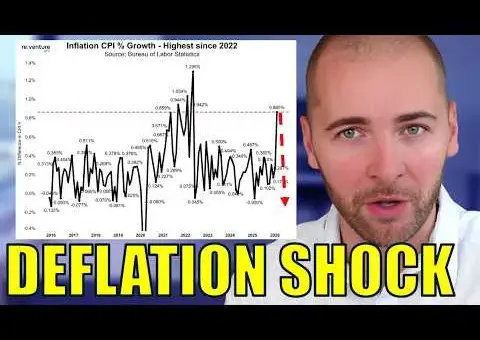
Inflation Jolt Sparks Housing Price Drops
A recent surge in inflation, driven by rising energy costs, is creating uncertainty in the housing market. However, falling rent prices suggest a potential slowdown and even price drops ahead. This shift creates opportunities for savvy buyers to find homes at significant discounts.


Home Sales Plunge: Sellers Offer Sweet Deals
Pending home sales have hit a record low, signaling a major shift from the frenzied market of recent years. Higher interest rates have cooled buyer demand, giving sellers more reason to negotiate. This slowdown creates opportunities for savvy investors willing to adapt.