US Blockade Tightens Grip on Iran’s Ports
The US military is maintaining a naval blockade on Iranian ports, even as Iran lifts its own blockade in the Strait of Hormuz. This operation restricts ships heading to or from Iranian ports, impacting the country's trade. Meanwhile, increased traffic is seen in the Strait of Hormuz following a US-brokered ceasefire between Israel and Lebanon.

US Naval Blockade Continues Despite Strait Reopening
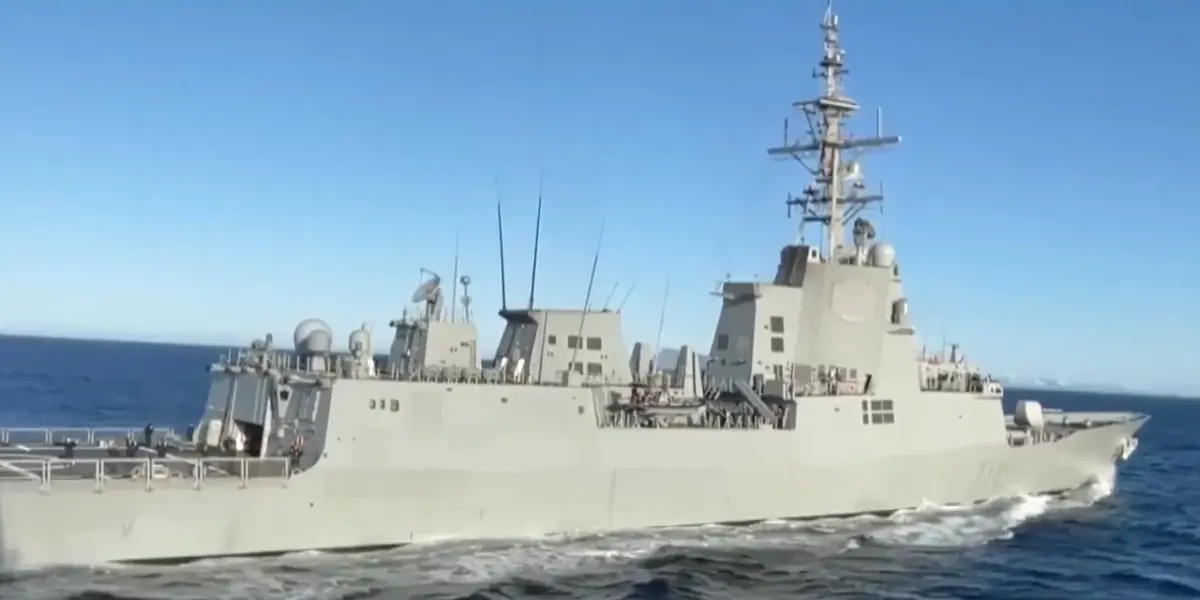
The United States military is actively enforcing a naval blockade on Iranian ports, a measure that remains in place even as Iran announces the lifting of its own blockade in the Strait of Hormuz. US Central Command released a video demonstrating how this enforcement works, showing communication between US warships and vessels attempting to enter or leave Iranian waters.
This operation means ships can still pass through key shipping lanes, but only if they are not heading to or from Iranian ports. The US Navy has directed 19 ships to return to their original ports so far, a clear signal of the blockade’s impact on Iran’s maritime trade. The video shows a US warship communicating with a vessel, instructing it to return to its port of call in Iran.
Strait of Hormuz Sees Increased Traffic
The Strait of Hormuz, a vital waterway for global oil transport, has seen increased activity following the announced reopening. A cruise ship, the Malta-flagged Celestial Discovery, recently made its way through the strait, marking the first passenger vessel to do so after being docked in Dubai for nearly two months. A Malta-flagged tanker is set to load millions of barrels of oil after transiting the strait earlier this week.
These developments suggest a potential easing of tensions in the region, with international players welcoming the reopening. British Prime Minister Keir Starmer expressed his support, confirming that the UK, along with France, will lead a multinational mission to ensure freedom of navigation once conditions are favorable.
Ceasefire Brokered Amid Regional Tensions
The reopening of the Strait of Hormuz follows a US-brokered ceasefire between Israel and Lebanon. Israeli Prime Minister Benjamin Netanyahu stated that Israel agreed to a temporary ceasefire at the request of President Trump. While Israel has not concluded its efforts against Hezbollah, this ceasefire offers a chance to pursue a political and military resolution.
This series of events highlights the complex geopolitical dynamics at play in the Persian Gulf. The US naval blockade directly targets Iran’s access to international markets, while diplomatic efforts aim to de-escalate broader regional conflicts.
Why This Matters
The ongoing US blockade on Iranian ports has significant implications for Iran’s economy, potentially limiting its ability to export oil and import necessary goods. This economic pressure is a key tool in international relations, aimed at influencing a nation’s behavior on the global stage. The success and duration of such blockades can have far-reaching effects, impacting not only the targeted country but also global trade routes and energy prices.
The reopening of the Strait of Hormuz, while positive for global shipping, also occurs within a context of ongoing conflict and strategic maneuvering. The commitment from the UK and France to protect navigation rights signals a broader international interest in maintaining open sea lanes. These actions collectively shape the security and economic outlook for the entire region.
Historical Context and Future Outlook
Naval blockades have been used throughout history as a powerful instrument of foreign policy and warfare. From ancient Greece to modern conflicts, controlling maritime access has been crucial for projecting power and isolating adversaries. The current US blockade against Iran draws on this historical precedent, adapting it to contemporary geopolitical challenges.
The future outlook depends on a variety of factors, including the continuation of the ceasefire in Lebanon, the effectiveness of the US blockade, and Iran’s response to these pressures. The multinational mission to protect navigation rights suggests a continued international focus on the Strait of Hormuz. The coming months will reveal whether these measures lead to a lasting de-escalation or further entrench regional divisions.
The US Central Command continues to monitor and enforce the blockade, with ongoing operations in the Persian Gulf. The effectiveness of the blockade will be measured by its impact on Iran’s economy and its willingness to alter its policies. The international community remains watchful, seeking stability in this critical global waterway.
Source: 2026 0417 3bf48ab8 3e16 40e4 a668 c7c16124bf9b video 1080p (YouTube)

Related Articles
US Threatens China Banks Over Iran Business Deal
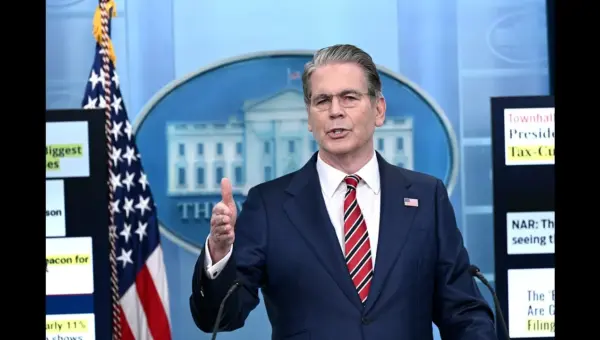
The US is warning Chinese banks against doing business with Iran, threatening "secondary sanctions" if Iranian money flows through their accounts. This move is part of the US "maximum pressure" campaign on Tehran. The strategy aims to isolate Iran economically, with China's oil purchases previously serving as a key lifeline.
Japan Ships Warship Through Taiwan Strait, Eyes Global Arms Market
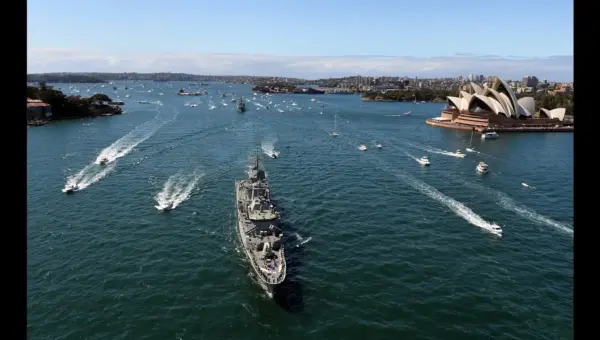
Japan is taking a more assertive defense role, relaxing weapons export rules and sending a warship through the Taiwan Strait. This marks a significant shift from its post-WWII pacifist stance and could reshape regional security dynamics, especially with potential deals like the one with Australia.
Trump Claims Strait Open, But Was It Ever Closed?
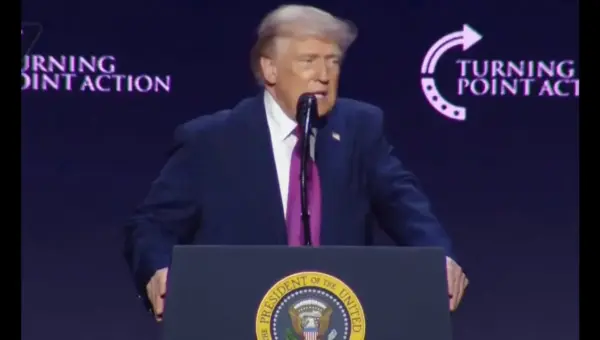
Donald Trump declared the Strait of Hormuz open, but critics question the actual gains given the conflict's cost. Reports from Iran contradict key claims, suggesting the strait may not have been fully closed. This situation raises concerns about accountability and the true impact of foreign policy decisions.